Dough is a fundamental aspect of baked goods, and it comes in many shapes, sizes, and types. Different types of dough are used for various products, like bread, pastries, pizza bases, and more. Each type has its unique characteristics that give the end product its specific texture, flavour, and appearance.
Today, we will explore 12 different types of dough commonly used in baking and their functions.
How Does Dough Work?
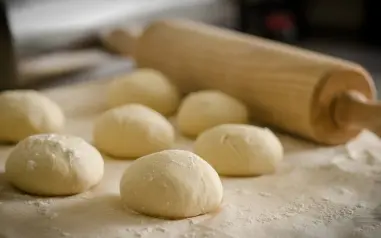
Before we dive into the different types of dough, it's essential to understand how dough works. When flour and water are combined, gluten is formed, giving the dough its elasticity and structure. The more you knead the dough, the stronger and stretchier it becomes.
Other ingredients like yeast or baking powder help leaven the dough by producing carbon dioxide gas, creating bubbles that make the dough rise.
Now let's explore the different types of dough and their specific functions in baking.
1) All-Purpose Flour Dough
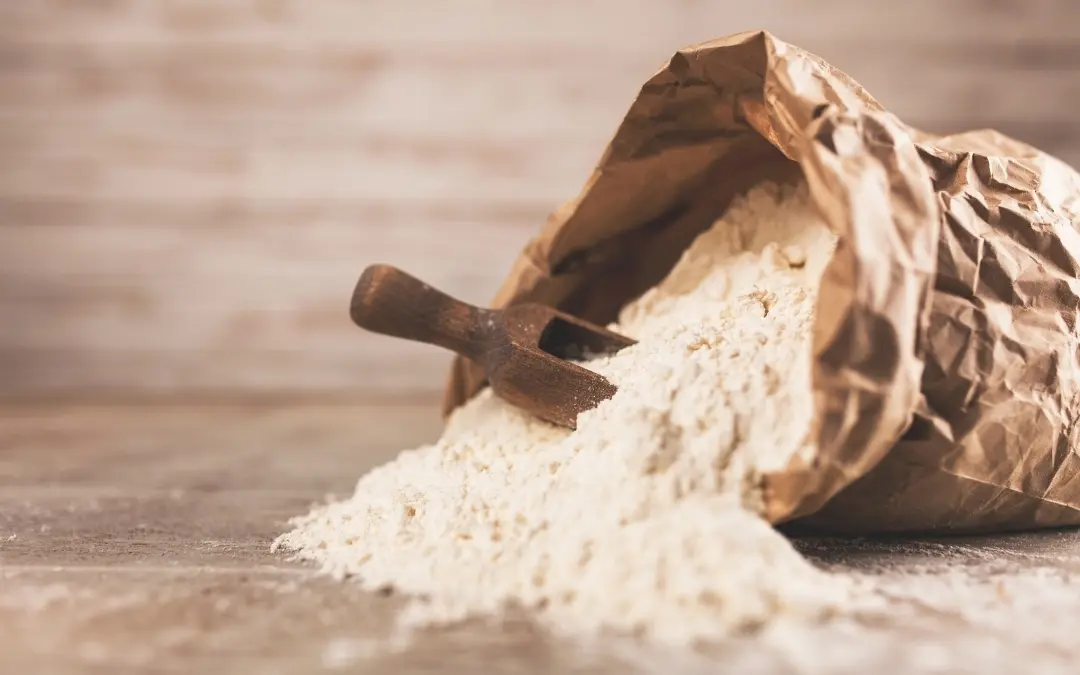
All-purpose flour is a mixture of hard and soft wheat flours with a medium protein content. It is suitable for making various baked goods, such as biscuits, scones, cookies, and more.
Function: All-purpose flour dough is versatile and can be used for both yeasted and non-yeasted baked goods. It creates a moderately tender and light crumb texture.
Example: Traditional sugar cookies made with all-purpose flour dough.
2) Self-Raising Flour Dough
Self-rising flour is all-purpose flour that has been mixed with baking powder and salt. It is best used for baked goods that require a light and airy texture, such as cakes and muffins.
Function: The added leavening agents in self-rising flour dough create a softer and more tender crumb texture compared to regular all-purpose flour dough.
Example: Fluffy buttermilk pancakes made with self-raising flour dough.
3) Bread Flour Dough
Bread flour has a higher protein content than all-purpose flour, typically around 12-14%. This extra protein produces gluten, allowing the dough to rise higher and have a chewier texture.
Function: When used in bread making, bread flour dough produces a dense but elastic crumb and a crispy crust.
Example: Traditional artisanal sourdough bread made with bread flour dough.
4) Whole Wheat Flour Dough
Whole wheat flour contains the entire grain, including the bran and germ, giving it a more robust flavour and darker colour. It's an excellent source of fibre and nutrients.
Function: Whole wheat flour dough is denser than all-purpose or bread flour dough due to its high fibre content. It creates a hearty texture for baked goods, like whole wheat bread or pizza crusts.
Example: Homemade whole wheat pizza crust made with whole wheat flour dough.
5) Pastry Flour Dough
Pastry flour has a lower protein content than all-purpose flour, typically around 9%. It is ideal for making delicate and tender baked goods like pie crusts, tarts, and pastries.
Function: The lower protein content in pastry flour dough produces less gluten, resulting in a softer and crumblier texture perfect for flaky pastries.
Example: Classic apple pie made with pastry flour dough.
6) Gluten-Free Flour Dough
Gluten-free flour is a mixture of different flours that do not contain gluten, such as rice flour, almond flour, or coconut flour. It's an excellent alternative for people with coeliac disease or gluten intolerance.
Function: Gluten-free flour dough produces a different texture than traditional wheat-based dough. It can be crumbly, dense, or sticky, depending on the type of gluten-free flour used.
Example: Soft and chewy gluten-free chocolate chip cookies made with gluten-free flour dough.
7) Puff Pastry Dough
Puff pastry is made by layering butter between layers of dough, which creates a light and flaky texture when baked. It's commonly used in pastries like croissants, danishes, and turnovers.
Function: The high-fat content in puff pastry dough produces steam during baking, creating those characteristic flaky layers.
Example: Classic French croissants made with puff pastry dough.
8) Phyllo Dough
Phyllo dough is made by rolling out paper-thin layers of dough, creating a delicate and crispy texture when baked. It's commonly used in Greek and Mediterranean cuisine for dishes like spanakopita and baklava.
Function: Multiple thin layers of phyllo dough create a light and airy texture with a satisfying crunch.
Example: Delicious baklava made with phyllo dough.
9) Choux Pastry Dough
Choux pastry, also known as pâte à choux, is made from water, butter, flour, and eggs. When baked, the high moisture content in the dough creates steam, causing it to puff up and form hollow pockets. It's used in a wide range of pastries, like eclairs, profiteroles, and cream puffs.
Function: Choux pastry dough produces a light and airy texture with a crispy exterior that can be filled with various sweet or savoury fillings.
Example: Classic cream puffs made with choux pastry dough.
10) Shortcrust Pastry Dough
Shortcrust pastry is made from flour, butter, water, and sometimes sugar. The name "short" refers to the crumbly texture it produces when baked. It's commonly used for pie crusts, tarts, quiches, and more.
Function: The high-fat content in shortcrust pastry dough creates a tender and melt-in-your-mouth texture, perfect for sweet or savory fillings.
Example: Delicious quiche Lorraine made with shortcrust pastry dough.
11) Filo Dough
Filo or phyllo dough is similar to puff pastry, but does not contain butter. It is made by rolling out multiple layers of paper-thin dough and can be used in both sweet and savoury dishes, such as spanakopita and baklava.
Function: Filo dough produces a flaky and crispy texture when baked, creating delicious layers for various fillings.
Example: Savory spinach and feta pie made with filo dough.
12) Sourdough Starter
Sourdough starter is a mixture of flour and water that has been fermented by naturally occurring wild yeast and bacteria. It is used in bread making to provide leavening without the need for commercial yeast.
Function: Sourdough starter adds a tangy flavour and produces excellent gluten development, resulting in a chewier texture and longer shelf life for bread.
Example: Classic sourdough loaf made with sourdough starter.
Takeaway
Different types of flour and dough have unique functions that contribute to the texture, flavor, and appearance of baked goods. Understanding these differences can help bakers choose the right type of flour for their desired results.
Whether it's a light and fluffy cake or a crispy pie crust, knowing which flour to use is essential for achieving delicious baked goods. So next time you're in the kitchen, consider the function of different flours and experiment with various types to create tasty treats. Happy baking!
Shop at Bake With Yen
Explore a wide range of flours, including all-purpose, bread, whole wheat, pastry, gluten-free, and more at Bake With Yen.
With quality wholesale baking supplies and helpful baking tips from experienced bakers, you can create delicious baked goods right in your own kitchen. Visit our website to stock up on all your baking needs.