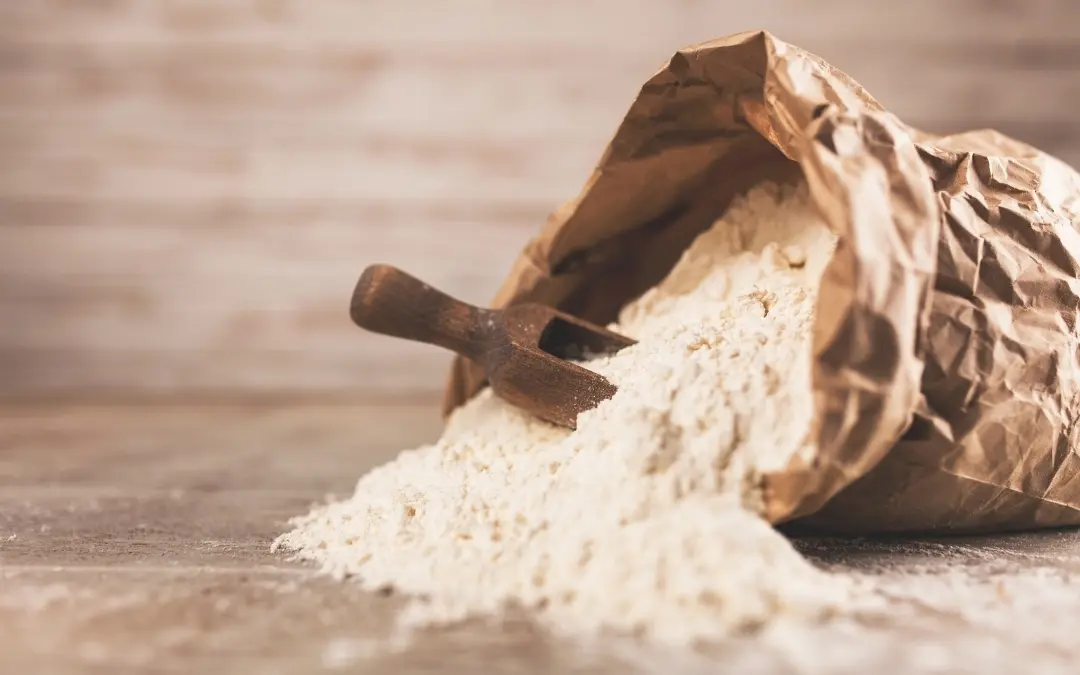
Not all flour behaves the same way in the kitchen. The type you choose can affect everything from the chewiness of a loaf of bread to the crispness of fried food or the thickness of a sauce.
Bread flour is generally best for recipes that need strength and structure, while all-purpose flour is the more flexible everyday option. But these are only two of the many flours worth knowing. Rice flour, cornstarch, potato starch and other varieties can also be useful for cooking, particularly when you want a specific texture.
Bread Flour vs All-Purpose Flour
The biggest difference between bread flour and all-purpose flour is their protein content. Bread flour generally contains more protein, allowing it to develop more gluten when combined with water and worked.
This gives dough greater strength and elasticity, which is useful for bread and other yeast-based recipes.
All-purpose flour has a more moderate protein content. It is less specialised, but that is exactly what makes it useful across such a wide range of recipes.
Feature | Bread Flour | All-Purpose Flour |
|---|---|---|
Protein content | Generally higher | Moderate |
Gluten development | Stronger | Moderate |
Texture | Chewier, more structured | Softer, more tender |
Best suited to | Bread, pizza, buns | Cakes, cookies, batters and general cooking |
Main advantage | Dough strength | Versatility |
The exact specifications can vary between brands, so check the packaging when a recipe calls for a particular type or protein level.
When Should You Use Bread Flour?
Bread flour is most useful when structure and elasticity are important.
It is commonly used for:
- Bread loaves
- Buns and rolls
- Pizza dough
- Bagels
- Other chewy yeast-based doughs
The stronger gluten structure helps the dough hold its shape as it rises, while contributing to the characteristic chew of many breads.
It can also be used in some cookie recipes when a chewier texture is desired, although all-purpose flour is generally the more common choice.
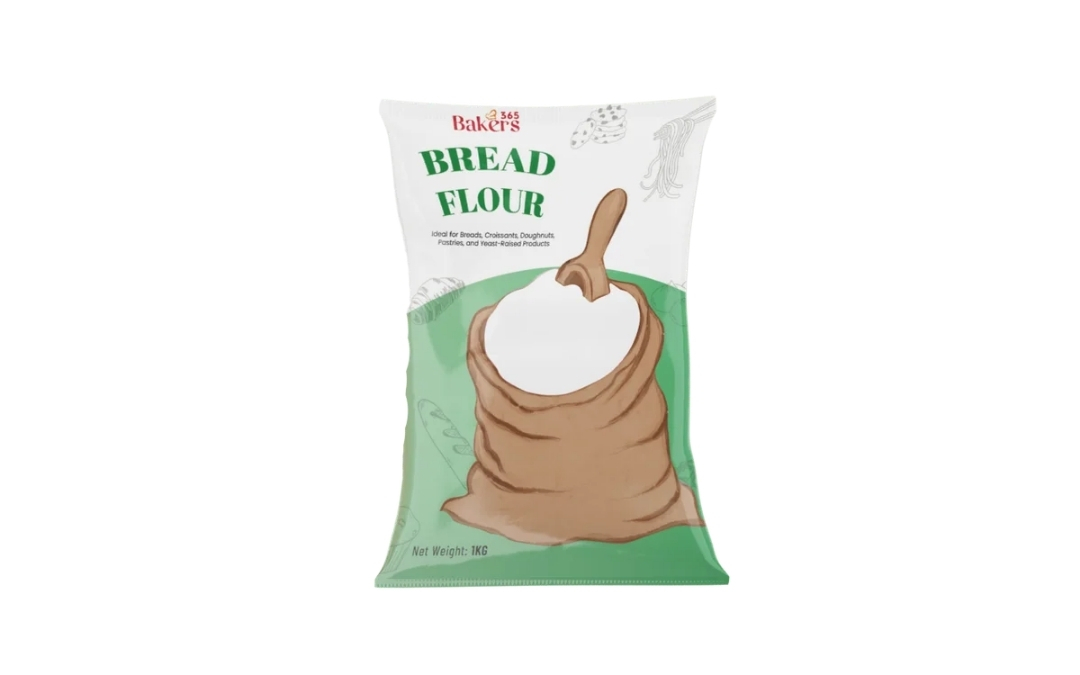
If you're looking for a reliable option, our in-house Bakers 365 Bread Flour is a great place to start.
Where Does All-Purpose Flour Work Best?
All-purpose flour, also called plain flour in many recipes, is a useful staple because it can be used for both sweet and savoury dishes.
It works well for:
- Cakes and muffins
- Cookies
- Pancakes
- Pastry
- Batters
- Flour coatings
- Roux for sauces and gravies
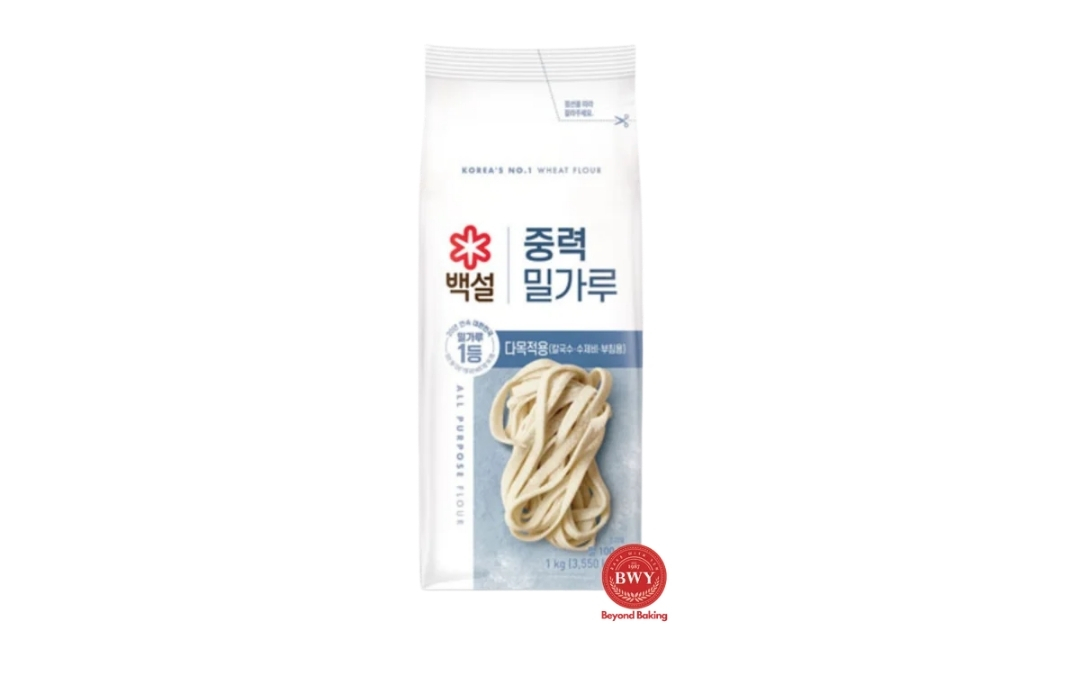
If you only want to keep one general-purpose wheat flour at home, all-purpose flour is usually the more practical choice. Beksul All-Purpose Flour is a great option to have on hand, versatile enough to handle everything on the list above.
Can You Substitute Bread Flour and All-Purpose Flour?
You can often substitute one for the other, but the texture may change.
Using bread flour in a cake or cookie recipe can result in a firmer or chewier texture. Using all-purpose flour in bread can produce a softer loaf with less chew and a dough that has slightly less strength.
For casual home cooking, these differences may not matter much. However, for recipes where texture is central to the result, it is better to follow the flour specified in the recipe.
What Other Flours Are Useful for Cooking?
Flour is not only used for baking. Different flours and starches can be useful for thickening, frying, coating and creating specific textures.
Rice Flour
Rice flour is useful for crispy coatings, fritters and certain batters. It can create a lighter, crispier texture than wheat flour in some fried foods.
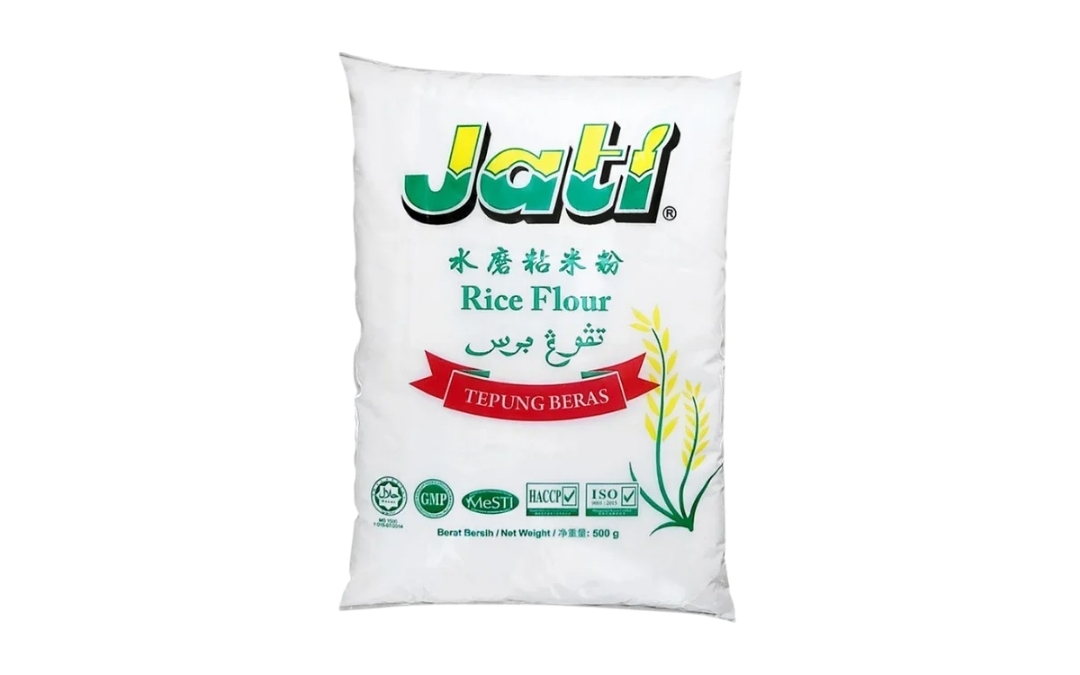
It is also commonly used in various Asian desserts and snacks. For a reliable option, try JATI Rice Flour, which works well across a range of sweet and savoury recipes.
Cornstarch
Cornstarch is a useful kitchen staple for thickening sauces, gravies and soups. It can also be added to fried-food coatings to help create a crisp exterior.
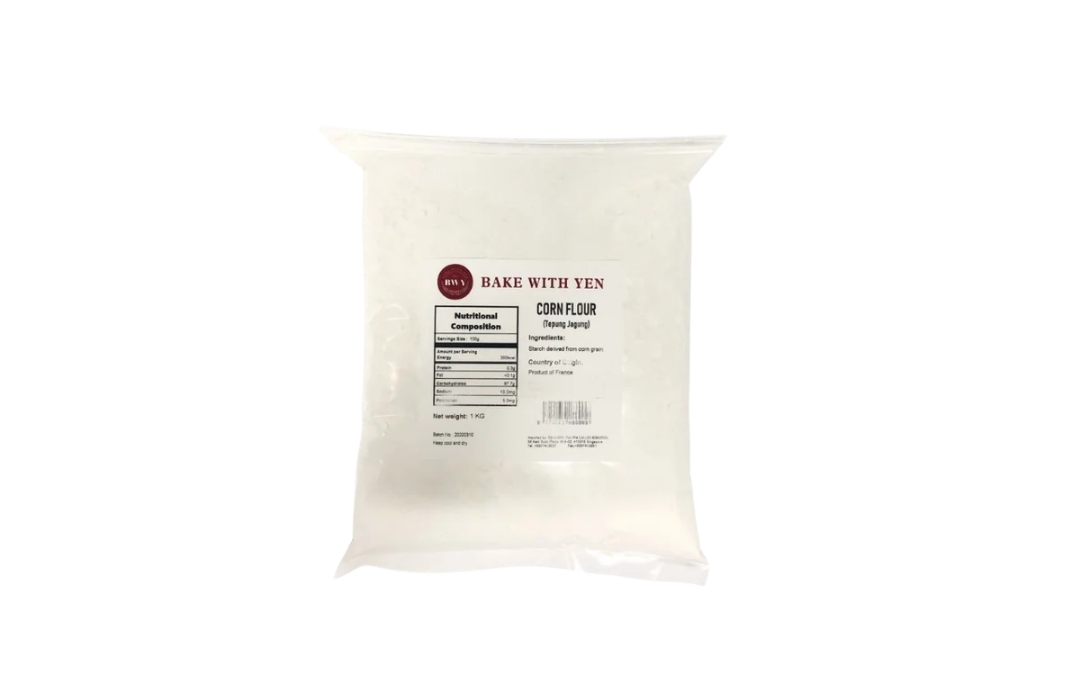
When shopping, check the product label carefully, because “corn flour” and “cornstarch” can refer to different products depending on the market.
Our own Bakers 365 Corn Starch is a reliable option that works well for both thickening and frying. It is finely milled for consistent results and is suitable for a wide range of sweet and savoury recipes.
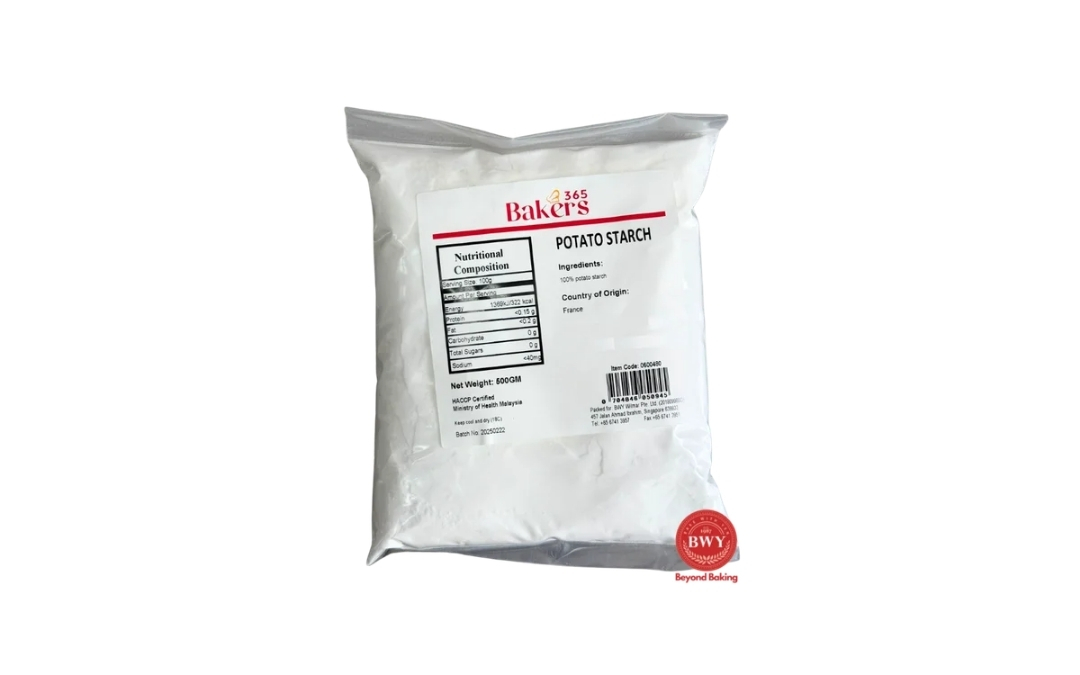
Potato Starch
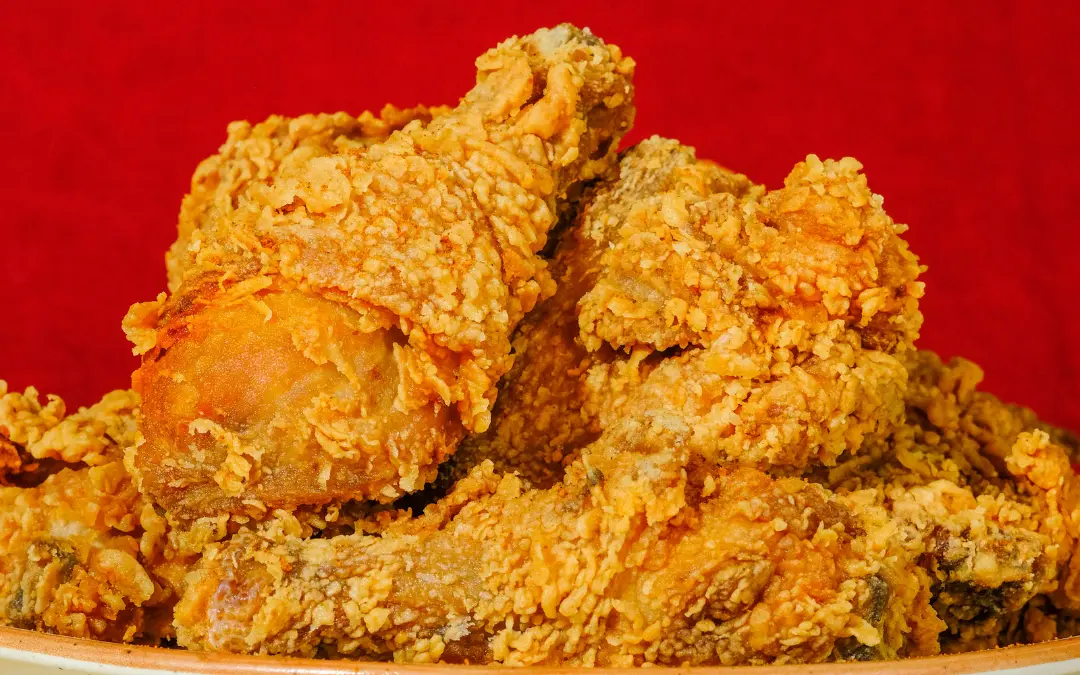
Potato starch is particularly useful when crispiness is the goal. It can be used for fried chicken, vegetables and other foods where you want a crunchy outer layer.
It can also be used as a thickener in selected recipes. Our premium Bakers 365 Potato Starch is sourced from the finest potatoes, making it a versatile and essential pantry staple for your home.
Tapioca Starch
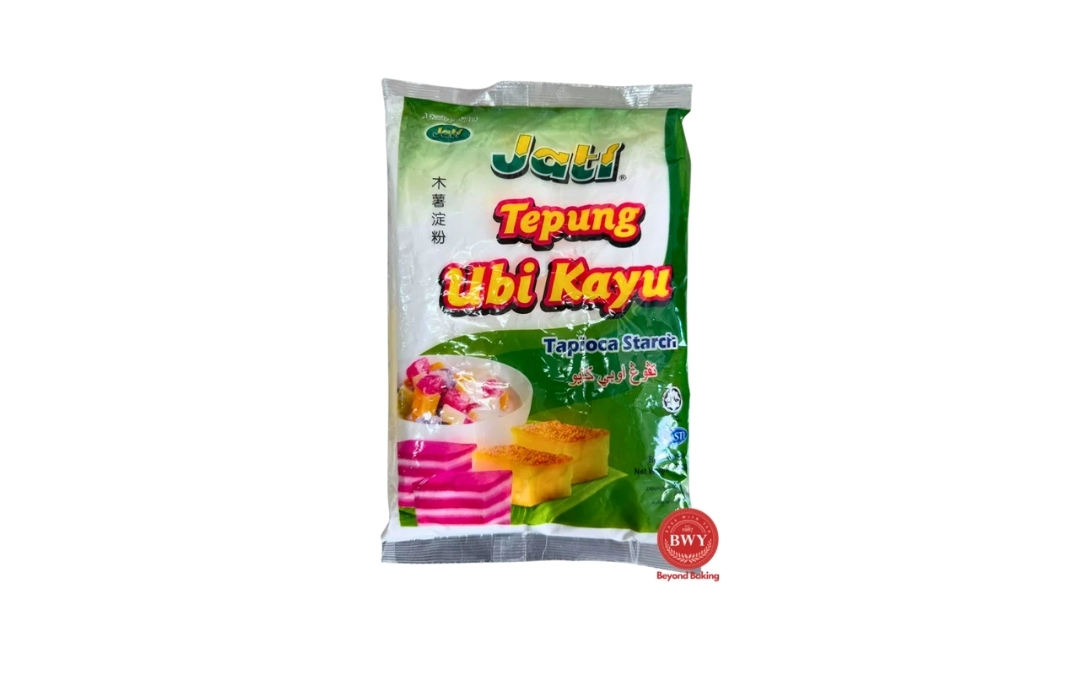
Tapioca starch is useful for both cooking and baking. Depending on how it is used, it can contribute to a chewy texture or help create a crisp coating.
It is especially useful in recipes inspired by Southeast Asian and other Asian cuisines.
JATI Tapioca Starch is one of the most common tapioca starches available and is a reliable choice for home bakers and cooks alike. Whether you're making bubble tea, dumplings, or a crispy fried coating, this versatile starch is a great addition to your pantry.
Glutinous Rice Flour
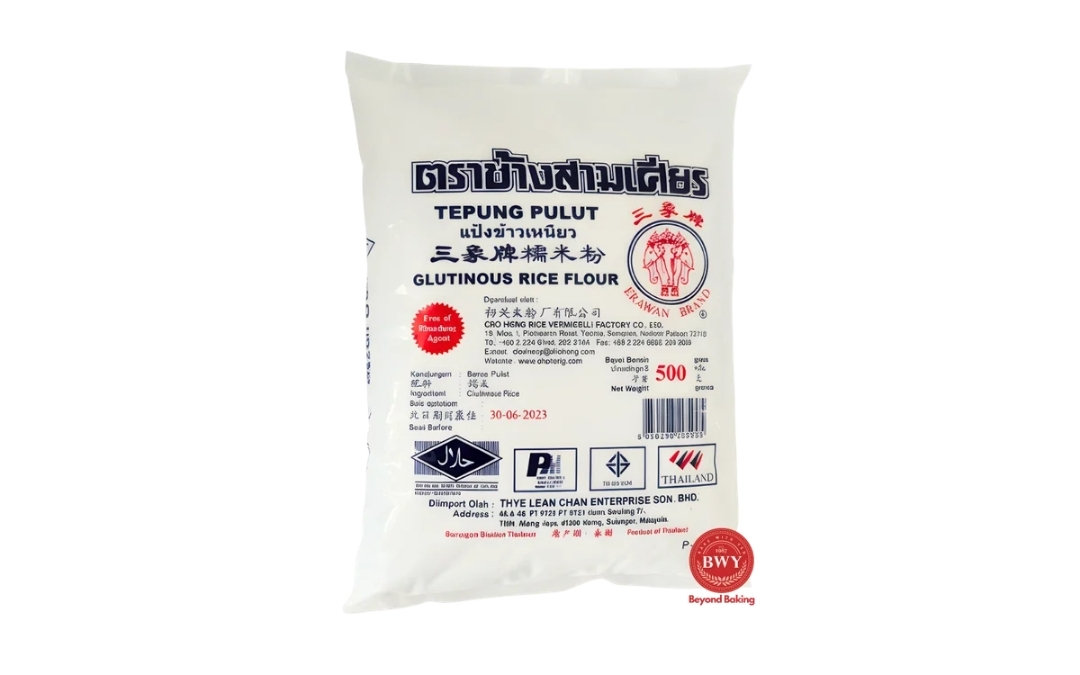
Despite its name, glutinous rice flour does not contain gluten. "Glutinous" refers to the sticky, chewy texture it develops when cooked.
It is commonly used for tang yuan and other Asian desserts and snacks where a soft, chewy texture is important.
This specific brand of glutinous rice flour is a great option to keep on hand if you regularly make these types of recipes.
Choosing Flour for Different Recipes
Rather than memorising every flour type, think about the result you want.
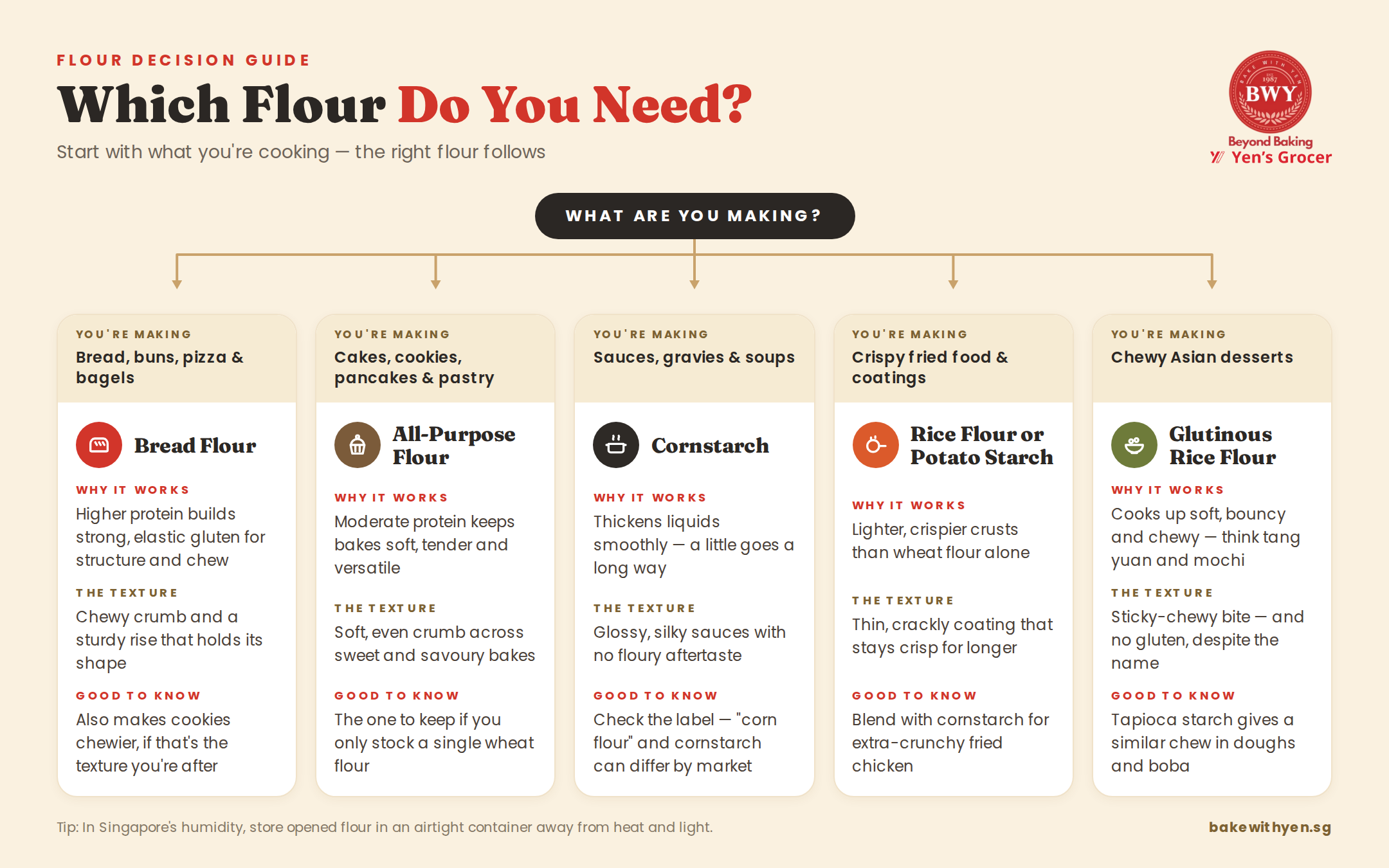
This also means you do not need to buy every flour available. Start with the ones that match the dishes you make most often, then add specialised varieties as you try new recipes.
How Should You Store Flour in Singapore?
Singapore's warm and humid climate makes proper storage particularly important.
Once opened, keep flour in a clean, airtight container in a cool, dry place, away from moisture and direct sunlight. This helps protect its quality and reduces the risk of pantry pests.
If you keep several types of flour, label the containers clearly. Rice flour, starches and different wheat flours can look similar, so it is easy to grab the wrong one when cooking.
For longer-term storage, some flours can be refrigerated or frozen, depending on the product. Always follow the storage instructions on the packaging.
Final Thoughts
Bread flour and all-purpose flour both have their place in the kitchen. Bread flour is the stronger choice for yeast-based doughs, while all-purpose flour is a convenient everyday staple for both baking and cooking.
Once you start looking beyond these two, other flours and starches can help you achieve specific results. Rice flour and potato starch can add crispness, cornstarch can thicken sauces, and glutinous rice flour can create the chewy texture found in many Asian desserts.
The best approach is simple: choose your flour based on the texture and result you want, rather than assuming one type will work for every recipe.
Bake With Yen offers a range of flours and cooking ingredients for different baking and cooking needs, making it easier to stock your pantry for everything from everyday meals to weekend baking projects.