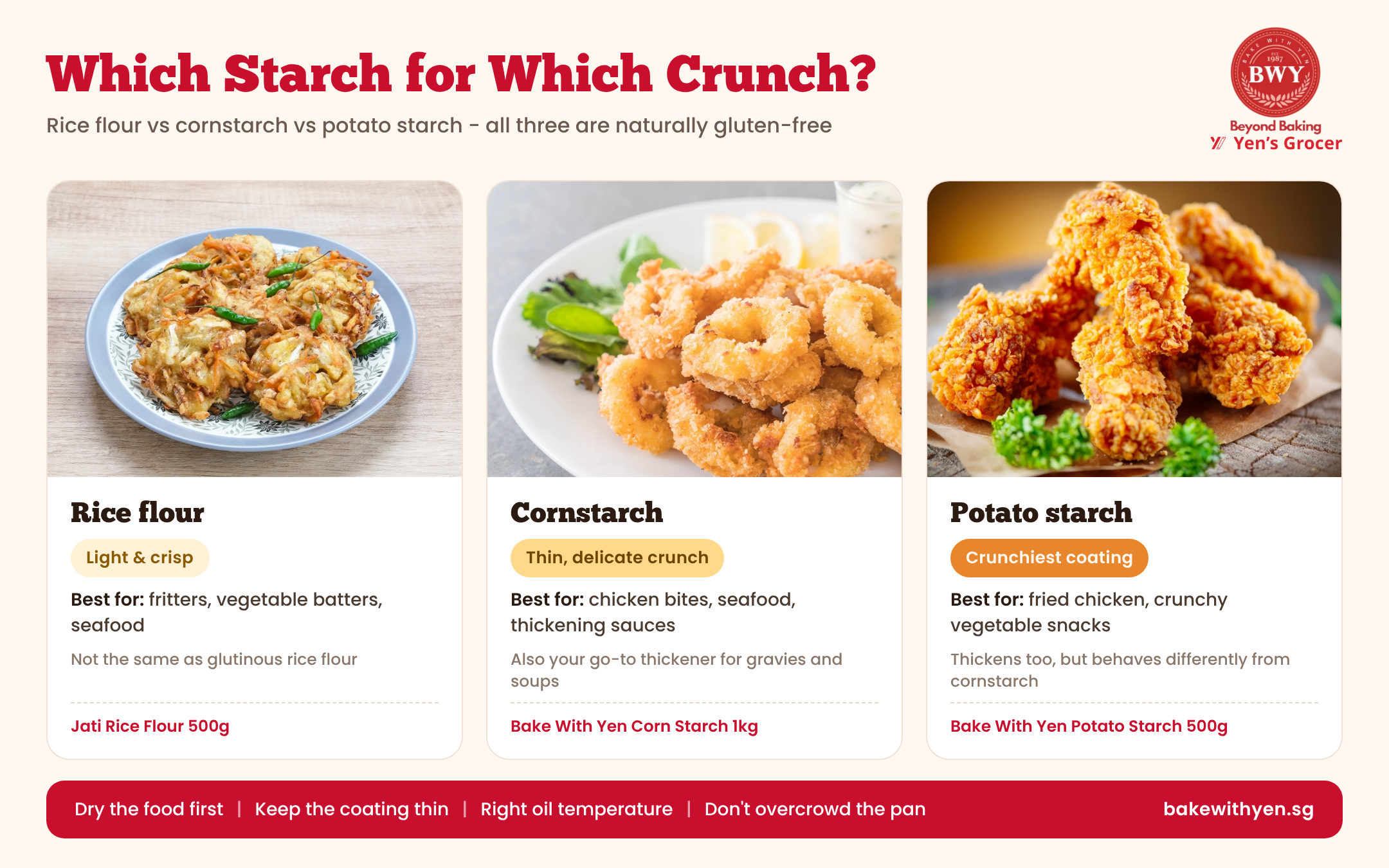
Rice flour gives a light, crisp coating. Cornstarch gives a thin, delicate crunch. Potato starch gives the crunchiest exterior. Which one to use depends on what you are frying and the texture you want.
Ever wondered why some fried foods come out light and crunchy, while others turn soft or heavy? The flour or starch in your batter is a big part of the answer. All three work for crispy coatings, but each behaves differently once it hits hot oil.
What Makes a Fried Coating Crispy?
A coating turns crispy when moisture escapes from the surface of the food during cooking, leaving a dry, firm outer layer. The flour or starch you use affects how that layer forms.
- Wheat flour contains proteins that form gluten when mixed with water. Gluten adds structure, but too much of it makes a coating heavy or chewy.
- Rice flour and starches have little or no gluten-forming protein, so they tend to produce lighter, crispier coatings.
The coating is only part of the equation. Oil temperature, batter thickness, and how much moisture is on the food all affect the final result.
Rice Flour vs Cornstarch vs Potato Starch
These three can sometimes be swapped for each other, but they are not identical.
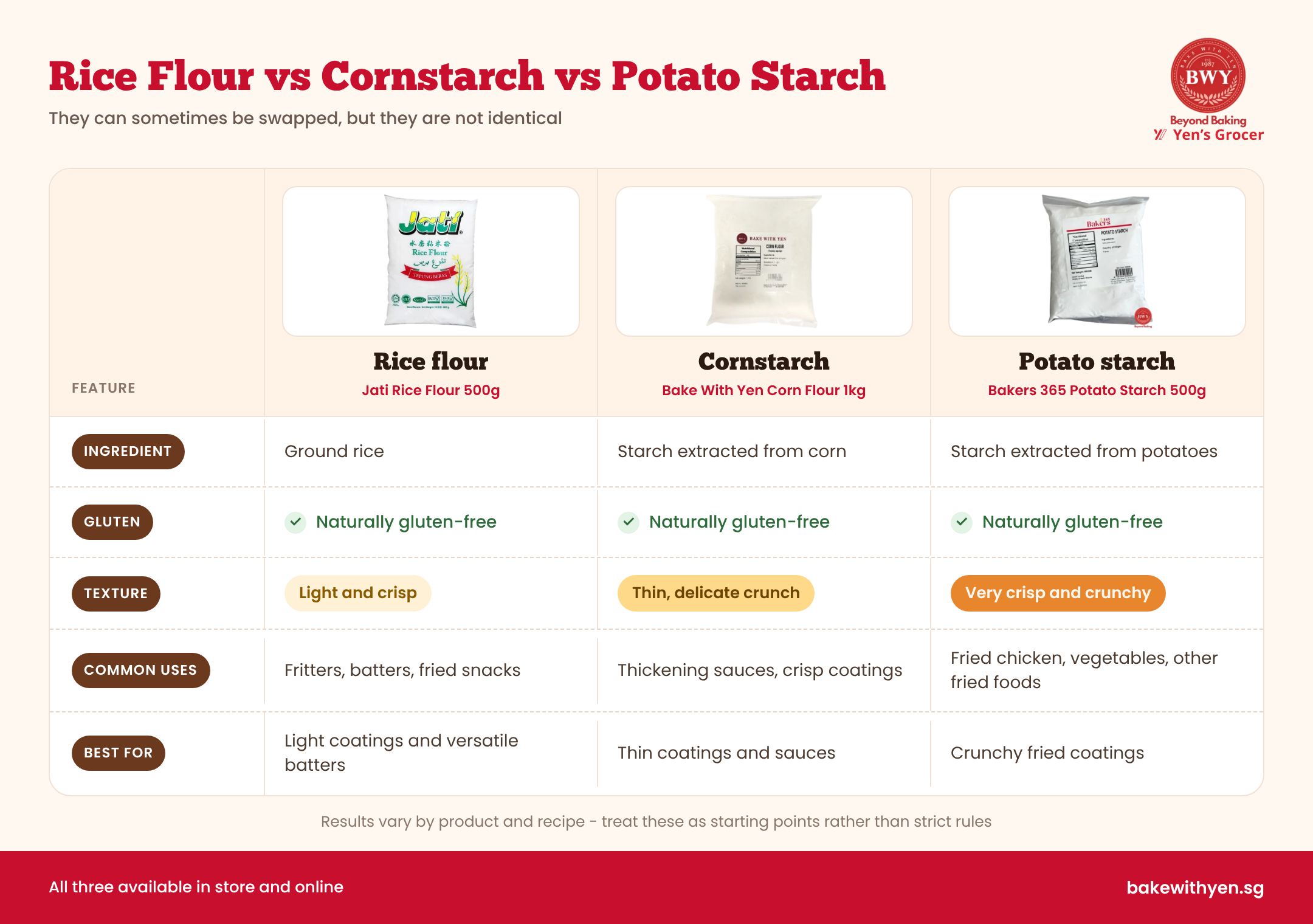
Results vary by product and recipe, so treat these as starting points rather than strict rules.
When Should You Use Rice Flour?
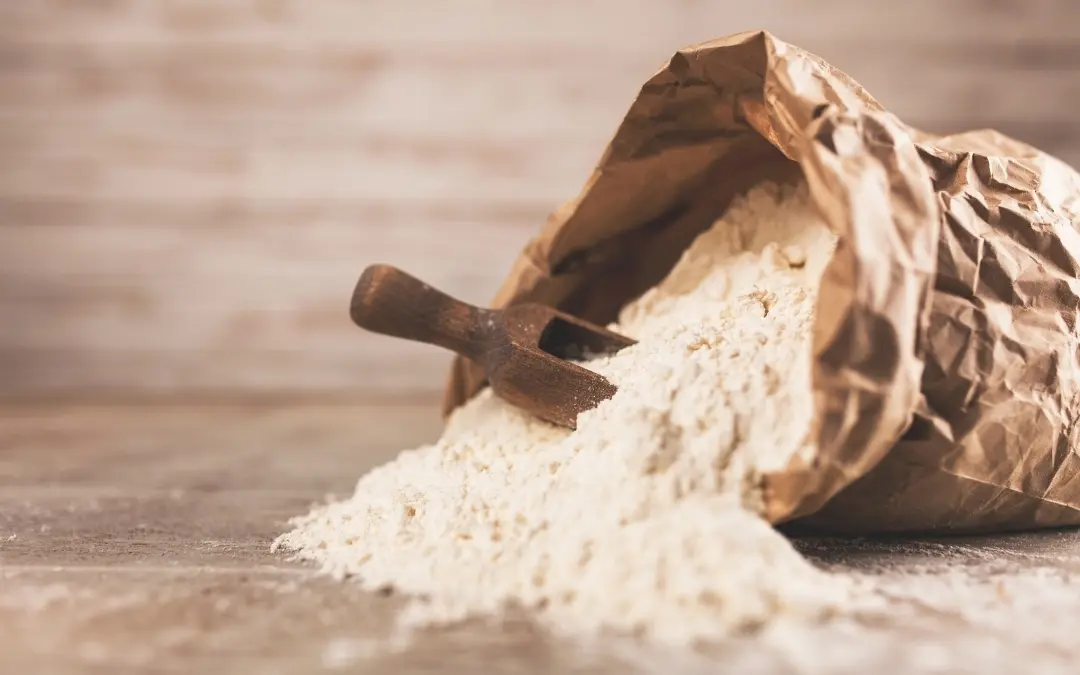
Use rice flour when you want a light, crisp coating, without the gluten development of wheat flour.
It works well in batters for vegetables, seafood and fritters, and shows up in plenty of Asian dishes and snacks. You can use it on its own or blend it with other flours to adjust the texture of the coating.
Two things to check when buying:
- Make sure the product suits your recipe.
- Rice flour is not the same as glutinous rice flour, which is used for chewy desserts rather than crispy coatings.
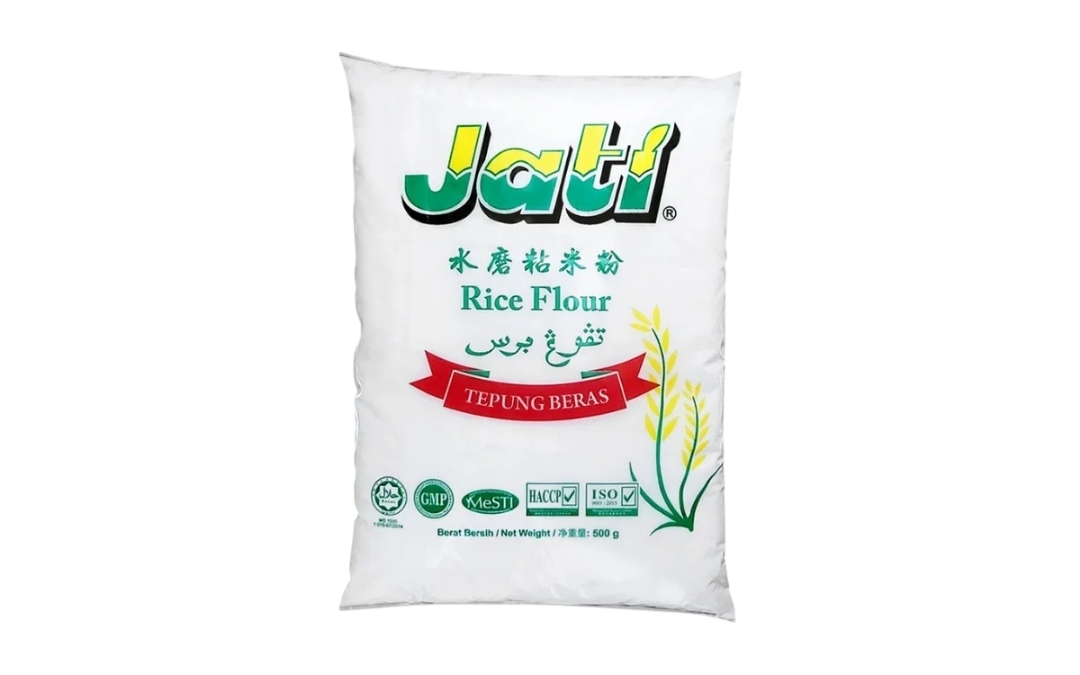
If you're looking for a reliable option, try Jati Rice Flour 500g. Just make sure you're buying regular rice flour, not glutinous rice flour, so you get a crunchy finish rather than a chewy one.
Is Cornstarch Good for Crispy Fried Food?
Yes. Cornstarch creates a thin, crisp exterior and doubles as a thickener for sauces, gravies and soups.
For frying:
- Use it on its own for certain recipes, or blend it with all-purpose flour for a balance of crispness and structure.
- It is ideal for coating small pieces of chicken, seafood or vegetables. Pat the food dry first, then apply a light, even layer to avoid clumping.
For thickening, mix cornstarch with a little cold water, before stirring it into the hot liquid.
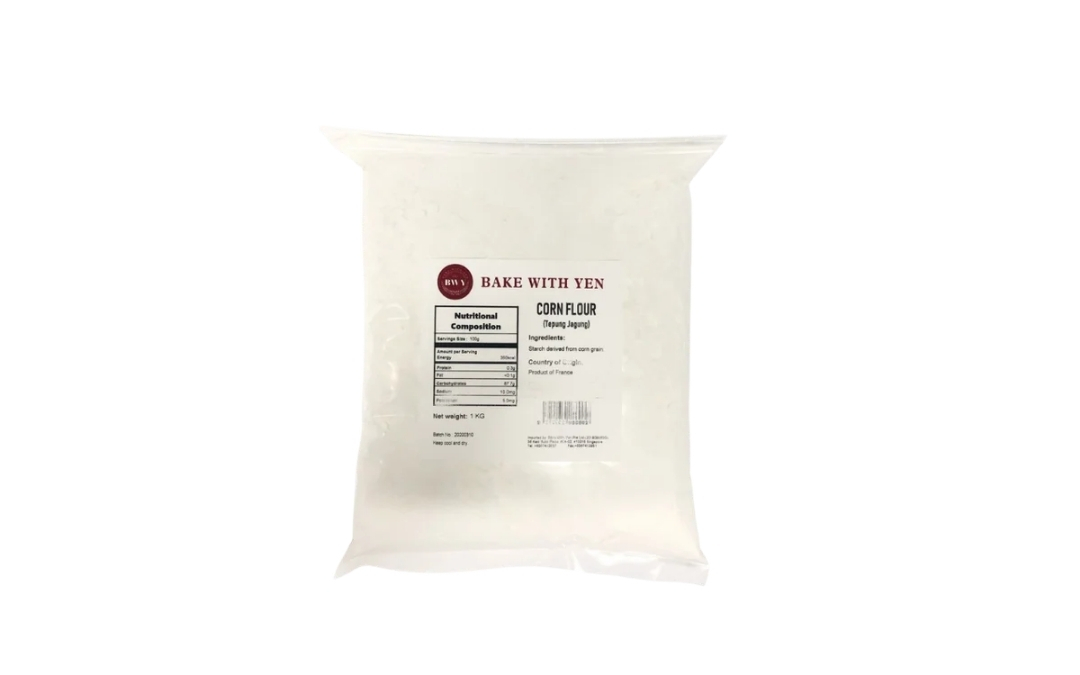
For a reliable option, consider Bake With Yen's Corn Starch (1kg). It's a versatile choice for everything from crisp coatings to silky sauces, and its consistent quality makes it useful for both baking and cooking.
Why Use Potato Starch for Fried Chicken?
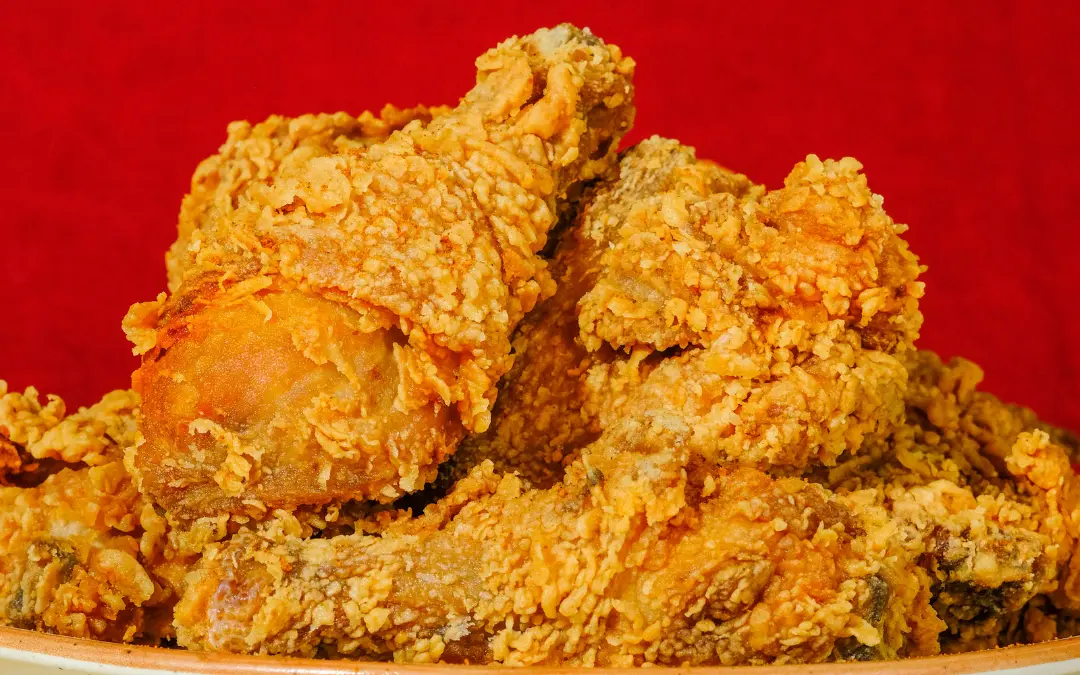
Potato starch produces the crunchiest coating of the three, which is why it is popular for fried chicken and Asian-style fried dishes.
- Use it on its own or combine it with other flours and starches, depending on the recipe.
- Moisture on the food and oil temperature still affect the result.
- It can also thicken sauces, but it does not always behave like cornstarch. Follow the recipe, rather than assuming they are interchangeable.
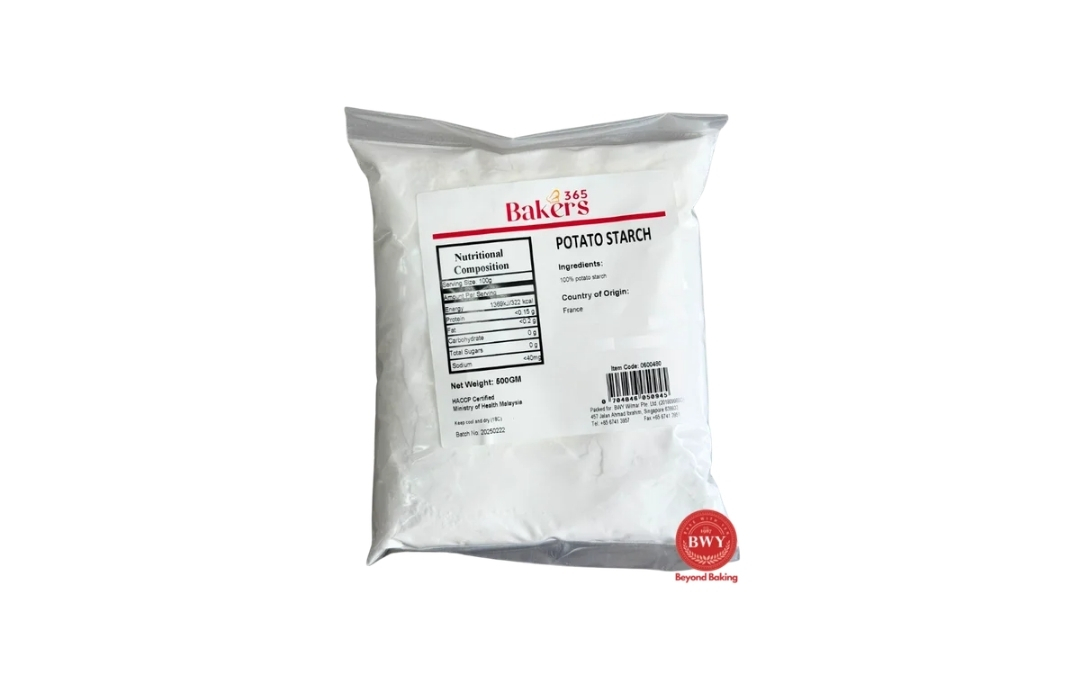
If crispy fried chicken or crunchy vegetable snacks are regulars on your menu, potato starch is worth keeping in the pantry. Bake With Yen's Potato Starch (500g) is a handy staple for coating fried chicken, dusting vegetables before frying, or blending with other flours for a lighter, crispier finish.
Can You Mix These Ingredients for a Crispier Coating?
Yes. Blending flours and starches lets you fine-tune the texture.
- All-purpose flour adds structure.
- Rice flour or cornstarch lightens the coating and adds crispness.
- Potato starch goes into blends when crunch is the goal.
There is no single ratio that works for every dish. A thin batter for vegetables behaves differently from a dry coating for chicken, so start with a recipe written for the food you are cooking.
A few techniques matter as much as the ingredients:
- Dry the food first. Surface moisture makes coatings soggy.
- Keep the coating thin. Too much batter creates a heavy outer layer.
- Hold the right oil temperature. Too cool and the food turns greasy; too hot and the outside browns before the inside cooks.
- Don't overcrowd the pan. Too much food at once drops the oil temperature.
- Serve promptly. Steam trapped under a lid or in a packed container softens the coating.
Should You Use a Ready-Made Frying Mix?
If you don't want to blend flours and starches yourself, a ready-made frying mix does the balancing for you. Most are wheat flour blended with starch, raising agents and seasoning, so you get structure, crispness and flavour from one packet.
A good example is Meizan Tempura Seasoned Crispy Frying Mix.
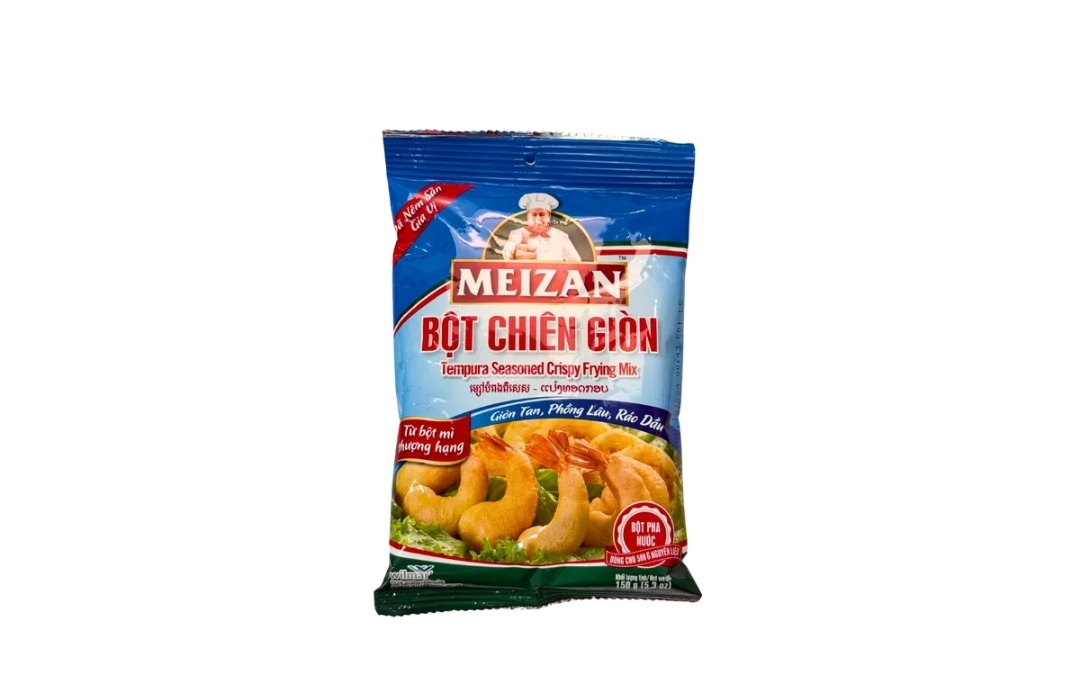
It fries up crisp, puffy and golden without turning greasy, and the crunch holds for longer after frying. The 150g pack covers a few batches, so it is an easy way to try a seasoned mix before buying a larger bag.
To use it:
- Clean and drain your ingredients (prawns, fish, squid or vegetables).
- Mix 1 cup of the mix with about 1/2 cup of water until smooth.
- Dip, then deep-fry over medium heat until golden.
It is already seasoned, so taste before adding salt.
What About Frying Crumbs?
Crumbs work differently from batters. They go on as a dry outer layer after a flour and egg dip. The result is a rougher, craggy crunch that suits cutlets, croquettes and chicken pieces.
- Fine breadcrumbs give an even, compact crunch. Best for cutlets and fish fillets.
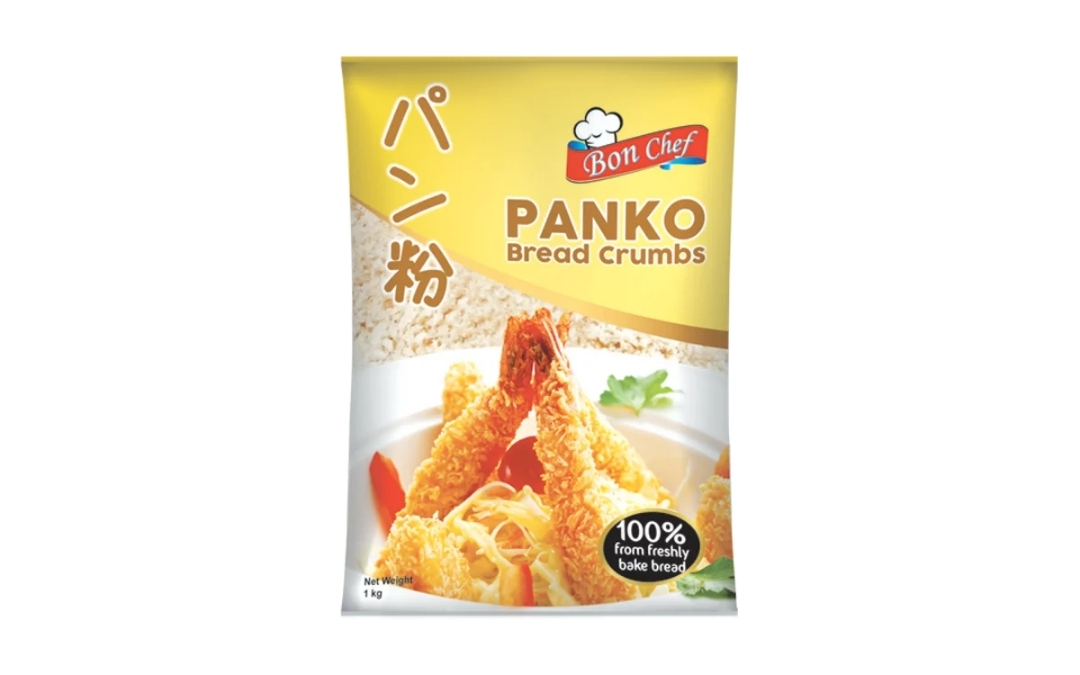
- Panko has larger, airier flakes that absorb less oil, so the coating stays lighter and crispier for longer. Best for katsu, croquettes and fried chicken.
Bon Chef Bread Crumb White (1kg Panko) is one option worth keeping in your pantry. Its coarse, airy flakes fry up golden and extra crunchy, making it a good fit for katsu, croquettes and fried chicken.
Which One Should You Keep in Your Kitchen?
You don't need all three. Start with the one that matches what you cook most often.
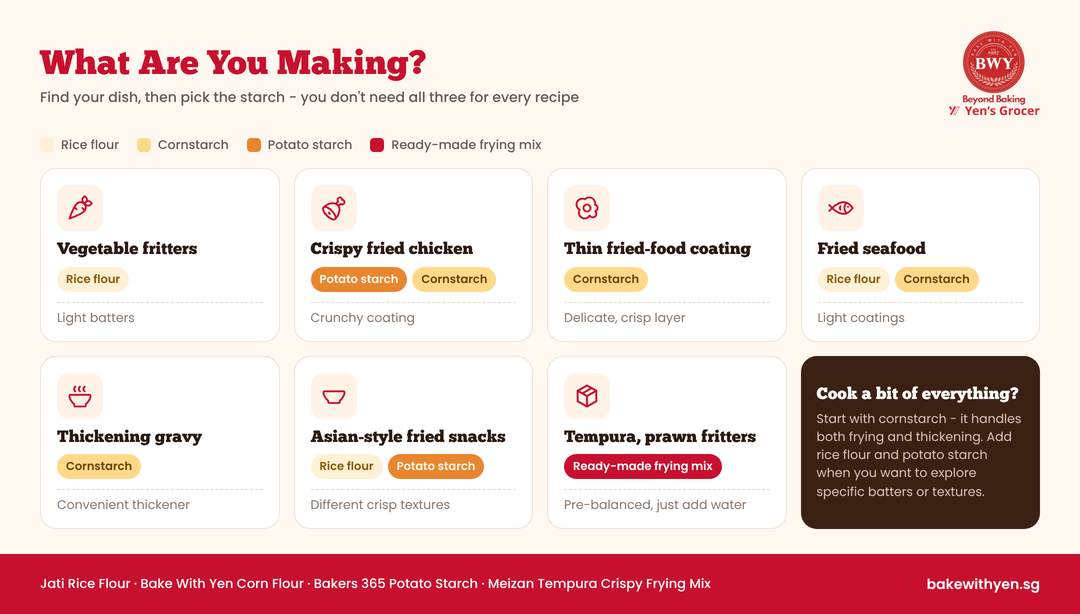
If you cook a wide range of dishes, cornstarch is the most practical staple, because it handles both frying and thickening.
Add rice flour and potato starch when you want to explore specific batters or textures. If you mostly fry seafood or vegetables and want a shortcut, a seasoned frying mix covers that without extra blending.
Final Thoughts
Rice flour for light coatings and batters, cornstarch for delicate crispness and thickening, potato starch for the crunchiest fried coatings.
Preparation, oil temperature and moisture control matter just as much as the ingredient. Once you know how each one behaves, you can choose with confidence and experiment with your own blends.
Bake With Yen stocks baking and cooking ingredients for a wide range of recipes. Keeping a few flours and starches on hand makes it easier to go from everyday fritters to crunchy fried favourites at home.