Couverture and compound chocolate can both be used for cakes, brownies, coatings and desserts, but they behave differently when melted and set.
Couverture chocolate is generally preferred for its chocolate flavour and smooth finish, while compound chocolate is easier to handle and usually does not require tempering. The right choice depends on your recipe, budget and the finish you want.
What Is Couverture Chocolate?
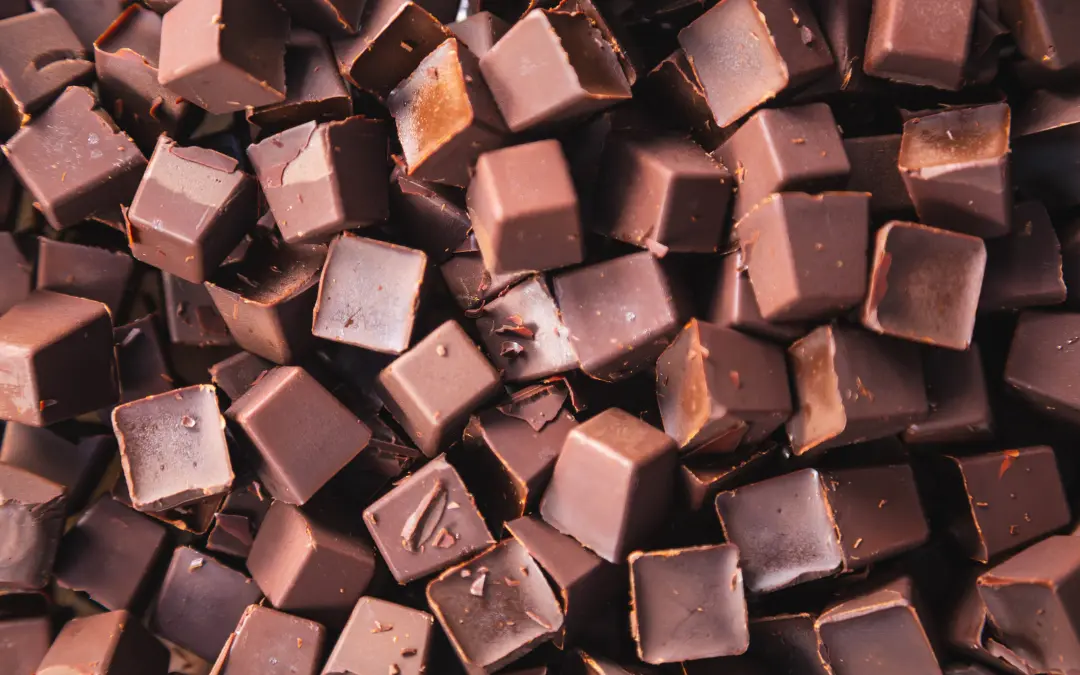
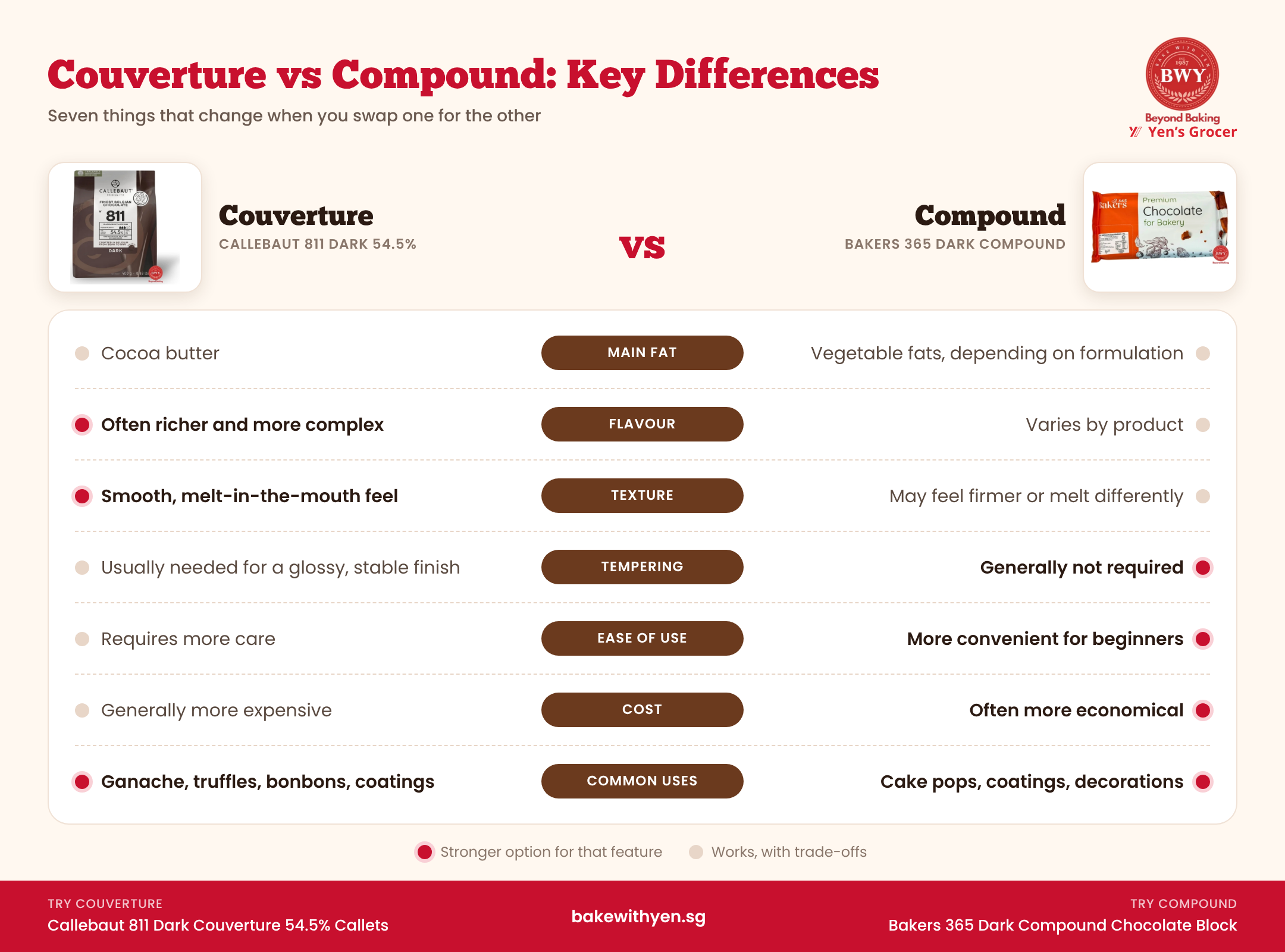
Couverture chocolate contains cocoa butter as its main fat and typically has a relatively high cocoa butter content. This helps it melt smoothly and, when tempered correctly, produce a glossy finish with a clean snap.
It is commonly used for:
- Chocolate truffles and bonbons
- Ganache and chocolate fillings
- Chocolate-dipped fruit and biscuits
- Pralines and moulded chocolates
Couverture usually needs to be tempered when used for coatings or moulded chocolates that must set firmly and look glossy.
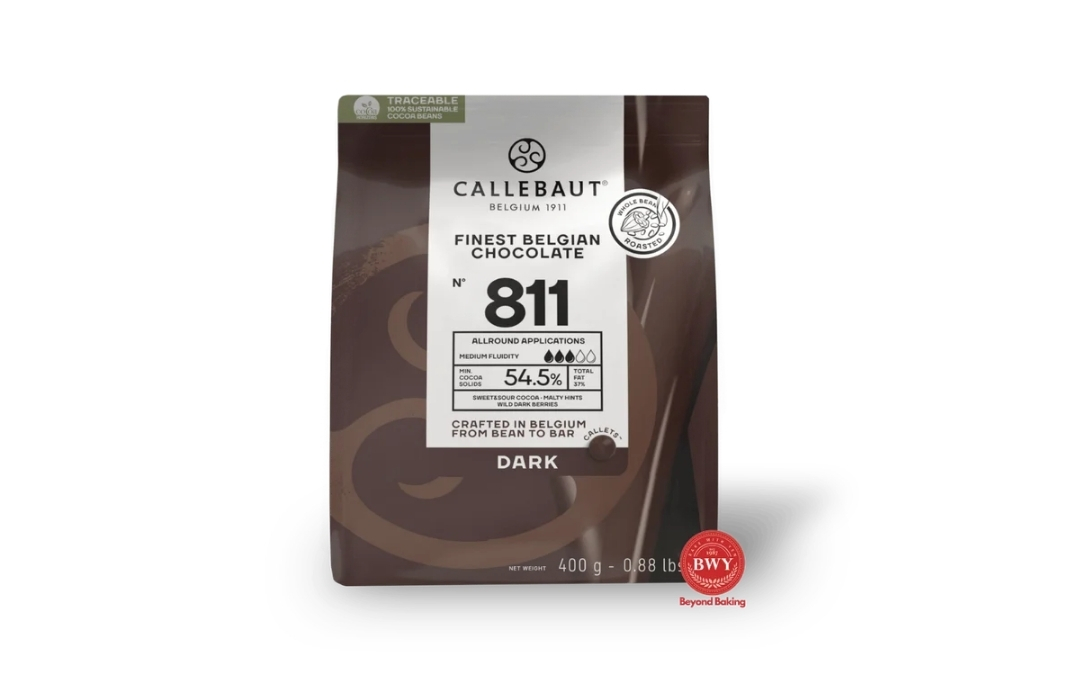
For home bakers looking to try couverture, Callebaut 811 Dark Couverture 54.5% Callets is one option for recipes such as ganache, brownies and other chocolate desserts. Its callet format is also convenient for measuring and melting.
What Is Compound Chocolate?
Compound chocolate uses vegetable fats instead of relying on cocoa butter as its main fat. The exact formulation varies by product.
Because it does not rely on cocoa butter crystallisation in the same way as couverture, compound chocolate generally does not require tempering. This makes it convenient for home baking, particularly when preparing coatings and decorations.
Common uses include:
- Cake pops and biscuit coatings
- Chocolate drizzles and decorations
- Dipped snacks and confectionery
- Simple chocolate moulds
Its flavour and mouthfeel can differ from couverture, but it is often a practical option when ease of use matters more than achieving a particular chocolate finish.
If you are choosing compound chocolate, look for a product specifically intended for melting, coating or decoration, and follow the manufacturer's instructions.
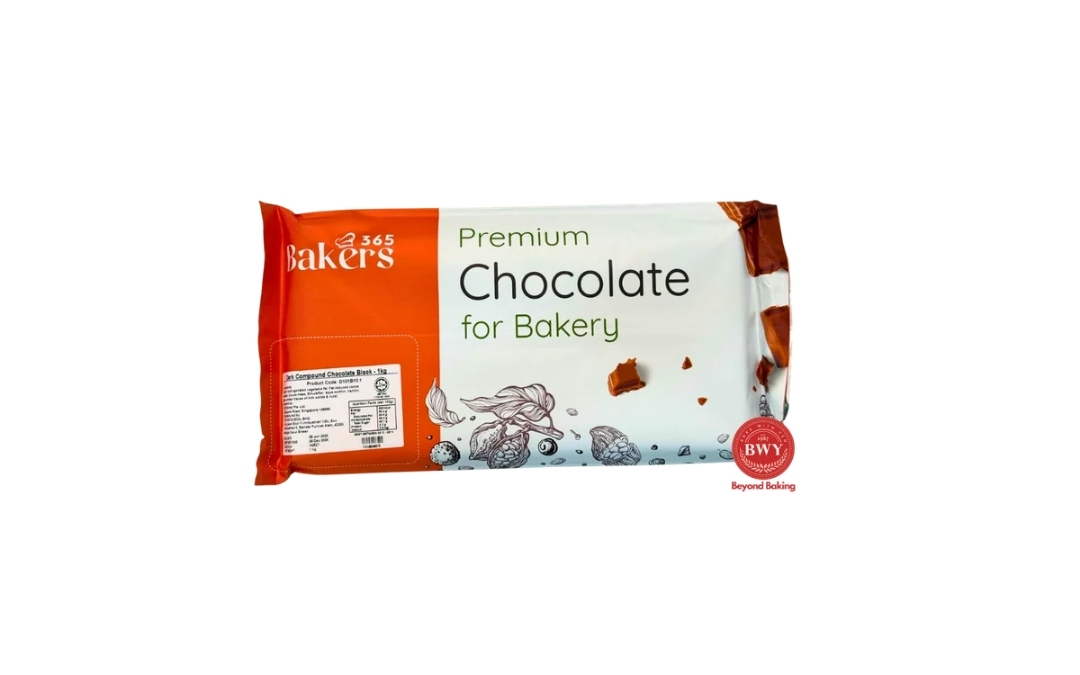
Our own Bakers 365 Dark Compound Chocolate Block is a convenient choice for coating, moulding and everyday chocolate decorations. Its stable texture makes it especially useful for simple dipped treats, drizzles and festive confectionery work.
Couverture vs Compound Chocolate: Key Differences
Which Chocolate Should You Use for Baking?
The best choice depends on how the chocolate will be used in your recipe.
Cakes and Brownies
Couverture is a good option when chocolate is a key flavour, such as in rich brownies or chocolate desserts. Compound chocolate may also work in some recipes, particularly for toppings or applications where a specific chocolate finish is less important.
Check the recipe before substituting, as differences in sweetness and fat content can affect the result.
Ganache and Chocolate Fillings
Couverture is often preferred for ganache, truffles and fillings because of its flavour and smooth texture.
If using compound chocolate instead, you may need to adjust the recipe. The two types have different fat compositions, so a direct substitution may produce a filling that is too soft or too firm.
Chocolate Coatings and Decorations
Compound chocolate is convenient for cake pops, biscuits and simple decorations because it generally does not require tempering.
Couverture is suitable when you want a glossy finish and a clean snap, provided it is tempered correctly.
For these applications, choose a compound chocolate designed for coating or melting rather than assuming every chocolate product will behave the same way.
Cookies and Chocolate Chips
Chocolate chips and baking drops are often designed to hold their shape during baking. Couverture callets or chopped chocolate may melt more readily, creating pockets of chocolate throughout the dough.
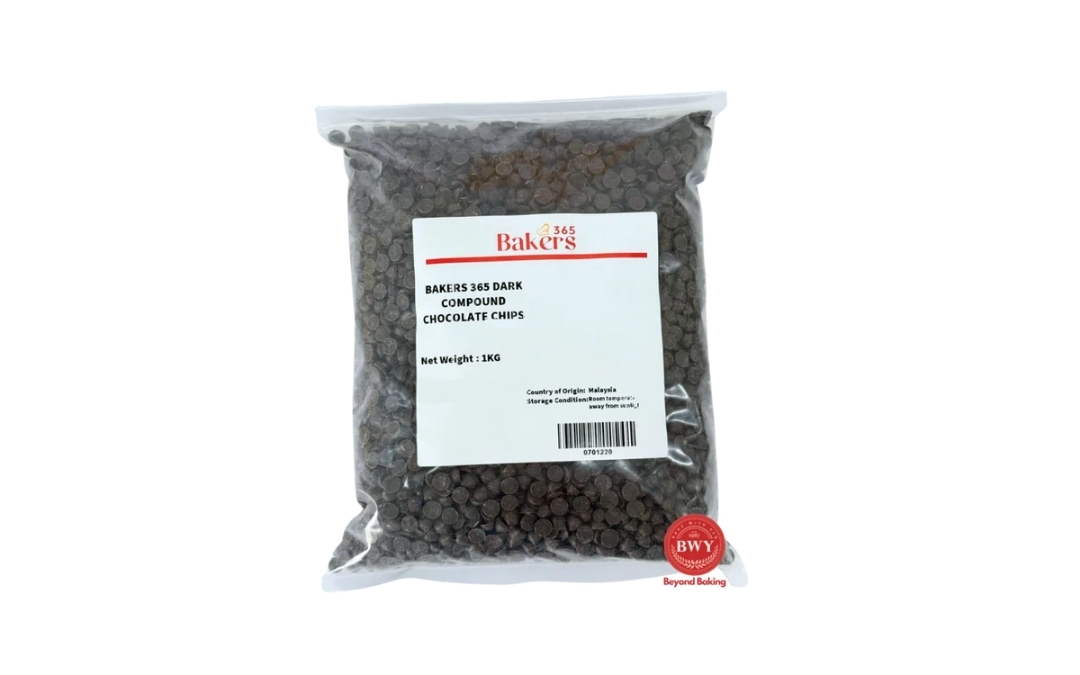
For a reliable chocolate chip that holds its shape during baking, try Bakers 365 Dark Compound Chocolate Chips (1kg) from Bake with Yen.
Can You Substitute Couverture for Compound Chocolate?
Sometimes, but they are not always interchangeable in equal amounts.
For simple coatings and decorations, substitution may work. For ganache, fillings and recipes where chocolate affects the structure, use a recipe designed for the chocolate you have.
Consider the differences in sweetness, fat composition, melting behaviour and setting texture before making a swap.
How to Melt Chocolate Properly
Both types should be heated gently to avoid scorching.
A double boiler is a reliable method: place the chocolate in a heatproof bowl over gently simmering water without letting the bowl touch the water. Alternatively, microwave it in short intervals, stirring between each one.
Keep water and steam away from the chocolate, as moisture can cause melted chocolate to seize.
Remember that melting and tempering are different steps. Couverture may need tempering for a glossy, stable coating, while compound chocolate generally does not. Follow the product instructions for the best results.
Final Thoughts
Couverture and compound chocolate serve different purposes. Choose couverture when chocolate flavour and a professional finish are priorities; choose compound chocolate when convenience and easy handling matter more.
You do not need to use the same chocolate for every recipe. Matching the product to the application can make baking simpler and help you achieve the texture and finish you want.
Bake With Yen offers baking ingredients and chocolate products for different recipes, from everyday treats to more elaborate chocolate desserts.