Yeast is a type of microscopic fungus that plays a crucial role in bread making. It helps to leaven the dough by converting sugar into carbon dioxide gas, which gives bread its light and airy texture.
There are three main types of yeast used in baking - active dry, instant, and fresh yeast. Each type has its own unique characteristics and is suited for different baking needs.
Understanding the Science of Yeast
Yeast is a living organism that requires three primary components for growth - food, moisture, and warmth. In bread making, these components come in the form of flour, water, and a warm environment.
As yeast feeds on sugar from the flour and releases carbon dioxide gas, it causes the dough to rise. The more active the yeast is, the more carbon dioxide gas is produced, resulting in a higher rise and lighter texture.
Active Dry Yeast
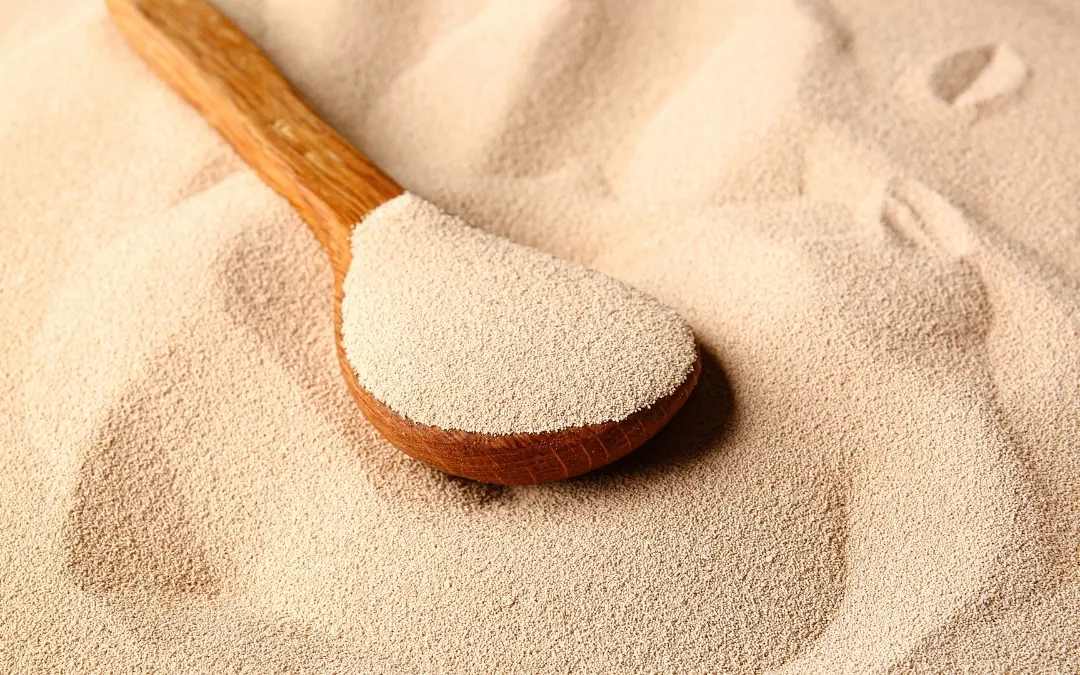
Active dry yeast is the most commonly used type of yeast in baking. It comes in small granules that need to be rehydrated before use. This can be done by mixing it with warm water or milk and a pinch of sugar to activate the yeast.
Once activated, the yeast will start to foam and become frothy, which indicates that it is ready to be used in the dough. Active dry yeast has a longer shelf life compared to fresh yeast and can be stored at room temperature for up to a year.
Instant Yeast
Instant yeast, also known as rapid-rise or quick-rise yeast, is similar to active dry yeast, but has smaller particles that do not need to be rehydrated before use.
This type of yeast can be added directly to the dry ingredients in the recipe, and does not require any proofing time. It also has a longer shelf life than fresh yeast and can be stored at room temperature for up to two years.
Fresh Yeast
Fresh yeast, also known as cake or compressed yeast, is the purest form of yeast available. It is made up of live yeast cells and has a creamy texture.
This type of yeast needs to be refrigerated and used within one to two weeks before it loses its potency. Fresh yeast is highly perishable and can be harder to find than other types of yeast.
What Kind of Yeast Should You Use?
The type of yeast you use in your baking depends on your personal preference and the recipe you are making. Each type of yeast has its own unique characteristics that affect rising time, flavor, and texture.
If you are new to baking or uncertain about which type of yeast to use, it is best to start with active dry yeast. It is readily available at most grocery stores and has a longer shelf life compared to fresh yeast.
However, if you are an experienced baker looking for a more intense flavor or faster rising time, instant yeast may be the better choice for you. Just keep in mind that using instant yeast requires adjustments in measuring and proofing time.
Tips On How To Use Yeast
Here are some general tips on how to use yeast in your baking:
- Always check the expiration date on your yeast before using it. Expired yeast will not give you the desired results.
- Make sure to use warm water (around 110°F) when activating or proofing your yeast. Water too hot can kill the yeast, and water too cold will not activate it properly.
- When kneading dough, avoid adding too much flour, as this can create a dense and tough texture in the final product.
- If your dough is not rising properly, check the temperature of your kitchen. Yeast needs a warm environment to thrive and rise.
- If you are making bread with whole grains or other heavy ingredients, consider using more yeast for a better rise.
Takeaway
Yeast is a crucial ingredient in baking, and understanding how to properly activate and use it can greatly improve the quality of your breads and baked goods.
Always make sure to check the expiration date on your yeast, use warm water for activation, be mindful of temperature when rising dough, and consider adjusting yeast amounts for different types of breads.
Bake With Yen
For all your baking needs, be sure to visit Bake With Yen, a one-stop shop for all your baking supplies and tools.
From yeast and flour to measuring cups and mixing bowls, we have everything you need to create delicious baked goods at home. Happy baking!