Baking is a beloved pastime, and for many, a form of therapy. Whether it’s whipping up batches of cookies, cakes, or bread, there’s something therapeutic about measuring ingredients, mixing them together, and watching them transform into delicious treats in the oven.
But when it comes to choosing the fat component in our baking recipes, the age-old question arises: butter or oil? Both have their own unique properties and benefits, but which one is truly the best for baking?
Understanding Butter and Oil
Before we can compare and contrast butter and oil in baking, it’s important to understand what each is and how they differ.
Butter
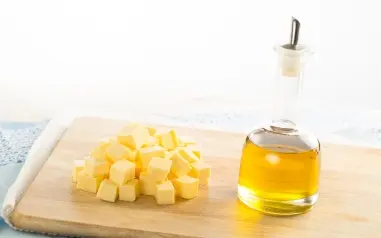
Butter is a dairy product made from churning cream or milk. It contains mostly butterfat, but also proteins, water, and trace amounts of vitamins and minerals. The type of cream used (such as heavy cream or light cream) and the churning process can affect the taste and texture of butter.
Oil
Oil, on the other hand, is a type of fat that is liquid at room temperature. It is typically extracted from plants or seeds, such as olive oil, vegetable oil, or coconut oil. Unlike butter, which contains both saturated and unsaturated fats, oils are primarily made up of unsaturated fats.
The Role of Fat in Baking
So why do we even need fat in our baking recipes? Fat plays a crucial role in creating the texture and flavor of baked goods. It helps keep the dough or batter moist, adds richness, and helps brown.
Butter and oil can both serve as a source of fat in baking, but they have some differences that can impact the final product.
Butter vs. Oil in Baking
When it comes to choosing between butter or oil for your baking needs, there are a few factors to consider.
Flavor
One of the main differences between butter and oil is their flavor. Butter has a rich, creamy taste that adds depth and richness to baked goods.
On the other hand, oil is more neutral in flavor and won’t overpower the other ingredients in a recipe.
Texture
Butter contains milk solids that can create a denser, softer texture in baked goods compared to oil. Oil, on the other hand, tends to produce a lighter and flakier texture.
Depending on the desired outcome of the baked good, either butter or oil can be used to achieve different textures.
Functionality
Butter and oil also have different functionalities in baking. Butter is often used to create flakiness in pastries and adds a rich flavor to cookies and cakes.
Oil, on the other hand, is better for keeping baked goods moist and creating a tender crumb.
When to Use Butter or Oil in Baking
Ultimately, the choice between butter and oil comes down to personal preference and the specific recipe at hand. However, here are some general guidelines to help you decide:
- Use butter for recipes that require a flaky or rich texture, such as pie crusts or shortbread cookies.
- Use oil for recipes that need moisture and tenderness, such as muffins or quick breads.
- For recipes that call for creaming butter and sugar (such as in cakes), stick with butter for its ability to trap air and create a light, airy texture.
- For vegan or dairy-free options, oil is the best substitute for butter.
Takeaway
There is no definitive answer to the age-old debate of butter vs. oil in baking. Both have their own unique properties and can produce delicious results depending on the recipe and personal preference.
Ultimately, it’s important to understand the role of fat in baking and how each ingredient can affect the final product. So go ahead, experiment with both butter and oil in your baking adventures, and see which one you prefer.
Get Your Baking Ingredients at Bake With Yen
Now that you have a better understanding of the differences between butter and oil in baking, it’s time to get your ingredients and start baking!
At Bake With Yen, we offer a wide range of high-quality baking ingredients at affordable prices. From premium butter to various types of oils, we have everything you need for your next baking project.