Short answer: Spread a thin, even layer of softened butter, neutral oil, or shortening over the base and sides of the pan before you mix your batter. For sticky cakes, dust the greased pan with flour or line the base with baking paper. Check the recipe first - some cakes, like chiffon, must go in an ungreased pan.
Get this step wrong, and you end up with torn edges, a stuck base, or a cake that breaks on the way out. Get it right, and your bake slides out clean. Here’s how to do it for every type of pan and bake.
How Do You Grease a Baking Pan?
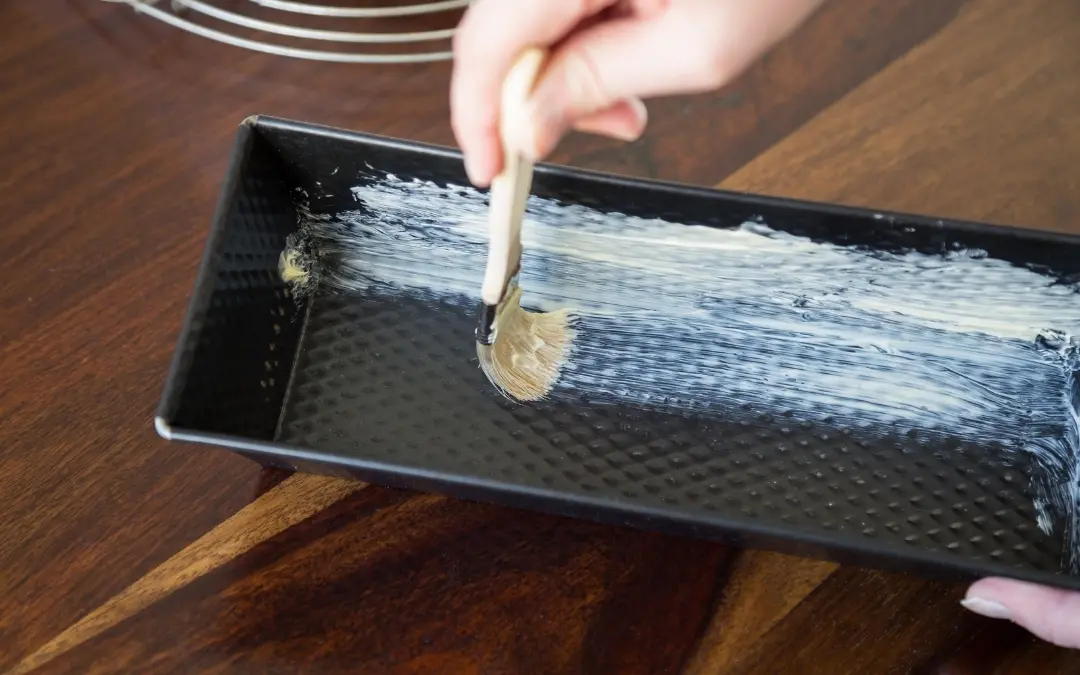
Use a thin, even layer of softened butter, cooking oil, or shortening, depending on the recipe. Cover the base, the sides, and the corners.
- Too much grease causes greasy edges and can change the texture of your bake.
- For cakes that stick easily, follow the grease with a light dusting of flour, or line the base with baking paper.
- Always read the recipe first. Some sponge cakes are meant to be baked in an ungreased pan.
Why Does Greasing Matter?
Grease creates a thin barrier between the batter and the pan, so the bake doesn’t fuse to the metal as it cooks and releases cleanly once cooled. It also protects the edges and base from tearing when you turn the cake out.
The right method depends on the bake. What works for a butter cake is not always needed for bread or certain pastries.
What Can You Use to Grease a Baking Pan?
Butter
Butter is the most common choice. Use softened butter and spread a thin, even layer across the base and sides. Avoid melted butter unless the recipe calls for it - it pools at the bottom and leaves some spots bare.
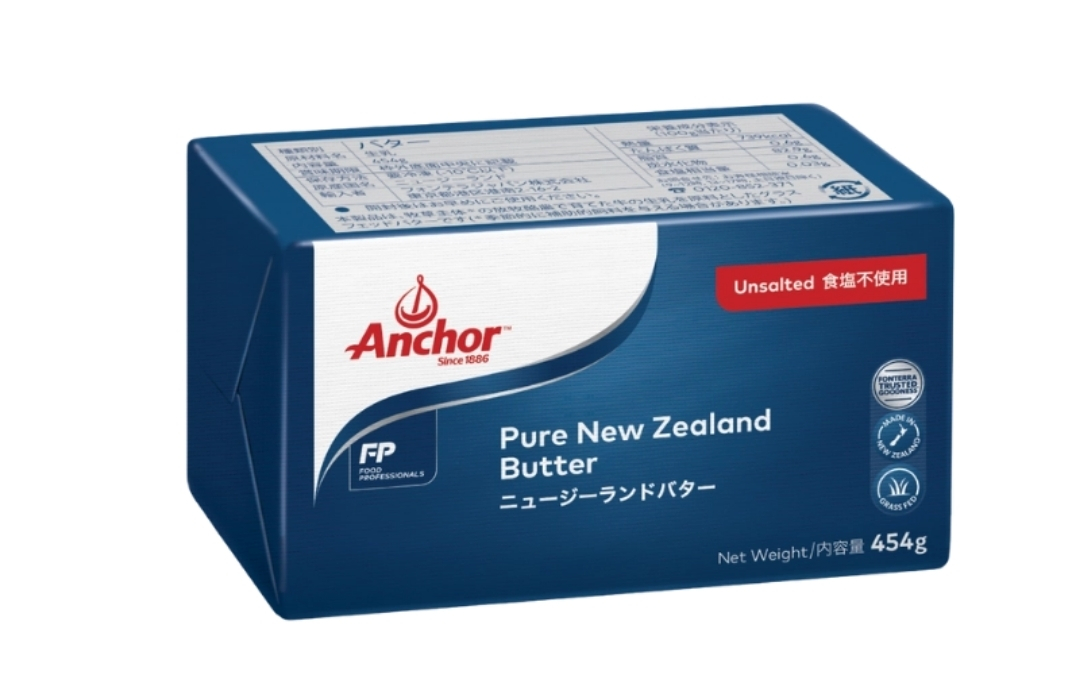
Unsalted butter is the better pick for baking, because it gives you control over the saltiness of the finished bake. A good-quality unsalted butter, such as Anchor Unsalted Butter spreads easily and coats the pan evenly.
Cooking Oil
Oil is easy to spread and works especially well for recipes that already contain oil.
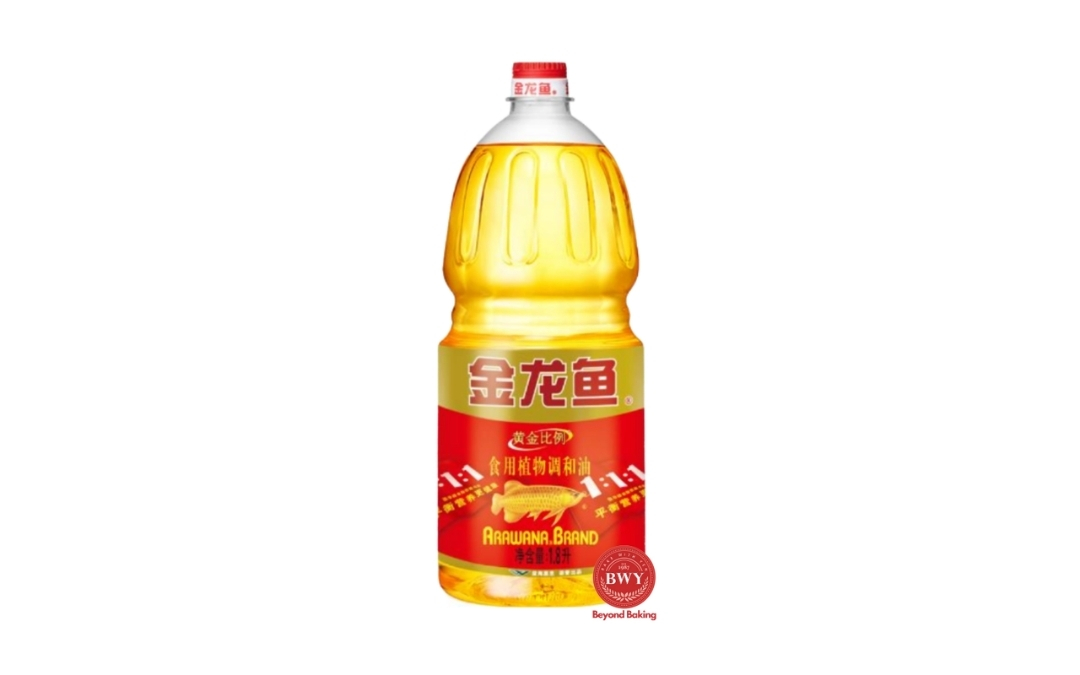
Pick a neutral oil with a high smoke point - vegetable, canola, or sunflower - so it doesn’t change the flavour of the bake. Arawana Golden Ratio Blended Vegetable Oil is a neutral option that suits this.
Apply with a pastry brush or paper towel. Because oil stays liquid at room temperature, it’s handy for larger or more detailed pans where butter is fiddly to spread.
Shortening
Shortening gives a strong barrier between the bake and the pan, so it’s useful when sticking is a real worry. A thin layer is enough. Too much leaves greasy residue around the edges of your bake.
Should You Flour the Pan After Greasing?
Sometimes, yes. Grease-then-flour adds extra protection for cakes that are prone to sticking, especially high-sugar or delicate cakes.
- Grease the pan.
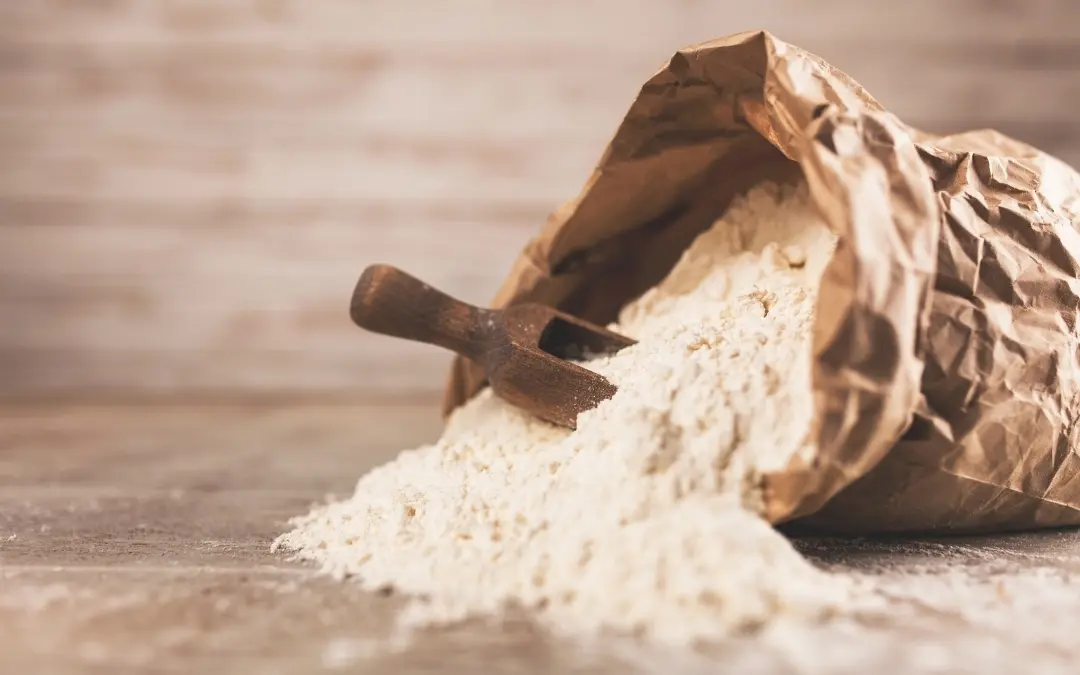
- Add a small amount of flour and tilt the pan so it coats every surface.
- Turn the pan upside down and tap out the excess.
For chocolate cakes, use cocoa powder instead of flour, so you don’t get a white film on the outside of the cake.
When Should You Use Baking Paper?
Use baking paper for cakes, brownies, and loaf cakes - anything you want to lift out in one piece.
- Line the base with baking paper and lightly grease the sides.
- For loaf cakes and brownies, leave an overhang on two sides, so you can lift the whole bake out once it has cooled.
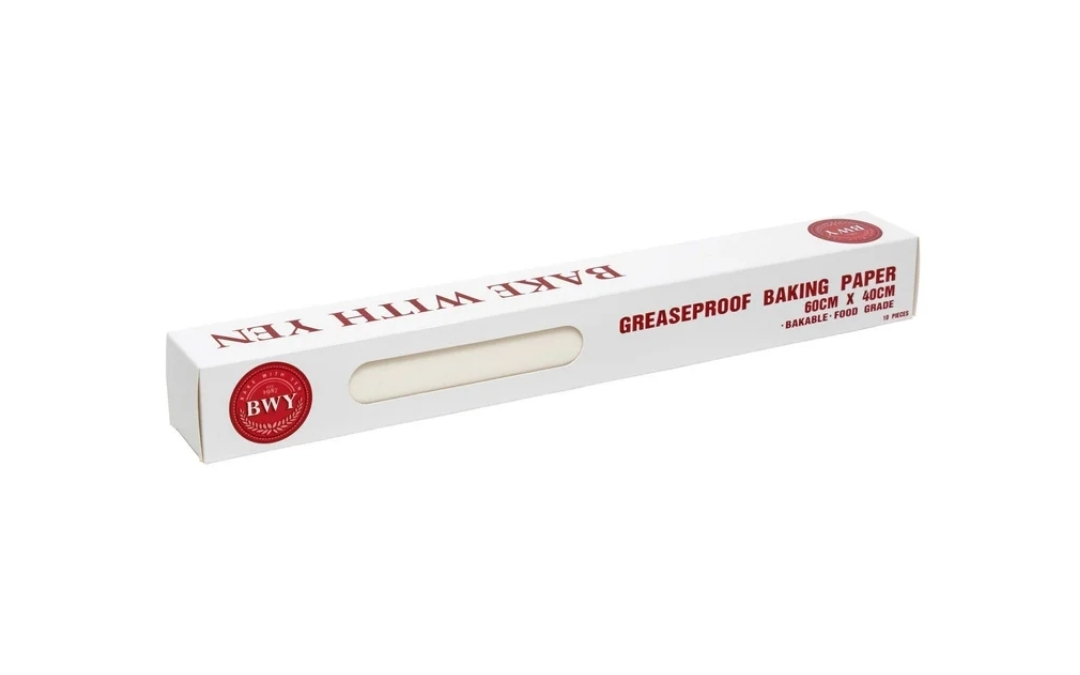
BWY Greaseproof Baking Paper is durable, non-stick, and sized to fit a range of pans.
Do You Need to Grease Every Baking Pan?
No. Some recipes tell you not to grease the pan at all, and you should follow them.
Chiffon cakes are the common example. The batter needs to grip the sides of the pan as it rises, so chiffon cake is traditionally baked in an ungreased, unlined tin. Grease the sides, and the cake can’t climb, so it collapses at the edges.
Check the recipe before you reach for the butter.
Common Pan-Greasing Mistakes
- Using too much grease. Excess butter or oil gives cakes greasy edges and can affect texture.
- Missing the corners. On square or rectangular pans, the corners and the join between base and sides are easy to skip - and that’s exactly where cakes stick.
- Greasing a hot pan. Fat melts unevenly on a warm pan. Always prep the pan cold.
- Prepping the pan after mixing. Batters with baking powder or baking soda need to go into the oven soon after mixing. Prep the pan first, so you can pour immediately.
How Do You Grease Different Types of Baking Pans?
Pan Type | What to Do |
|---|---|
Round Cake Pan | Grease base and sides, flour if the recipe says so, optionally line the base with baking paper |
Loaf Pan | Grease the whole interior, then line with baking paper with an overhang on two sides |
Muffin Tin | Lightly grease each cup or use paper liners; don’t over-grease or it pools at the base |
Brownie Pan | Grease, then line with baking paper with an overhang so you can lift the slab out |
What If the Cake Still Sticks?
Don’t force it out.
- Let the cake cool for as long as the recipe says.
- Run a thin spatula or knife around the edges.
- Place a plate or cooling rack over the pan and turn it over.
- If it’s still stuck, tap the bottom of the pan gently, instead of pulling at the cake.
Final Thoughts
Greasing a pan isn't one-size-fits-all. The right approach depends on your recipe, your pan, and what you're baking.
Whether you reach for butter, oil, shortening, flour, or baking paper, the goal is the same: an even barrier that lets your bake release cleanly without affecting its texture.
Looking for wholesale baking ingredients? Shop everything you need at Bake With Yen.