Baking is a popular pastime and has been around for centuries. Whether it’s baking bread, cakes or cookies, there are many ways to create delicious baked goods.
One ingredient that is often associated with baking is yeast. But do you always need yeast when baking?
What is Yeast?
Yeast is a microorganism that plays a crucial role in the process of fermentation. It is a type of fungi that feeds on sugars and converts them into carbon dioxide and alcohol.
This process helps to leaven dough, making it rise and giving baked goods their fluffy texture.
Types of Yeast
There are three main types of yeast used in baking: fresh, active dry and instant yeast.
Fresh Yeast
Also known as baker’s yeast or compressed yeast, this type of yeast is typically sold in small cakes or blocks. It has a high moisture content and must be kept refrigerated until use.
Fresh yeast is the most perishable form of yeast and has a shorter shelf life compared to other types.
Active Dry Yeast
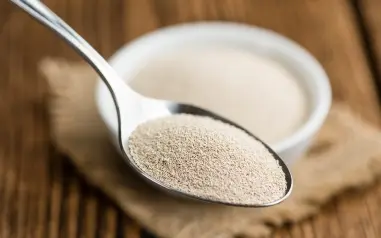
Active dry yeast is the most commonly used type of yeast in home baking. It consists of granules that are larger than instant yeast and must be activated by dissolving it in warm water before use.
It has a longer shelf life compared to fresh yeast and does not require refrigeration, making it a convenient option for home bakers.
Instant Yeast
Also known as rapid-rise or fast-acting yeast, instant yeast is similar to active dry yeast but has smaller granules and does not require activation. It can be added directly to the dough mixture without dissolving it first.
Instant yeast has a longer shelf life compared to both fresh and active dry yeast and is often preferred by professional bakers for its convenience.
When Do You Need Yeast?
Yeast is an essential ingredient in many baked goods, especially bread. The carbon dioxide produced by yeast creates air pockets in the dough, causing it to rise and giving bread its light and airy texture.
Other baked goods such as cakes and cookies also benefit from the addition of yeast, although in smaller amounts.
Alternatives to Yeast
While yeast is a key ingredient in many baked goods, there are some alternatives for those who may be allergic or sensitive to it.
Baking soda and baking powder can be used as leavening agents in place of yeast. They work by producing carbon dioxide when combined with acidic ingredients, such as buttermilk or lemon juice.
The Importance of Yeast in Baking
Yeast not only helps to give baked goods their desired texture but also adds flavour. As yeast consumes sugars, it produces alcohol and other by-products that contribute to the taste of baked goods.
Additionally, yeast helps to give bread its signature crust due to the carbon dioxide released during baking.
Takeaway
While yeast is not always necessary when baking, it plays an essential role in creating delicious and fluffy baked goods. With different types of yeast available and alternatives for those who cannot consume it, there are plenty of baking ingredient options for all bakers to enjoy the art of baking.
So whether you choose to use yeast or not, let your creativity and taste buds guide you in your baking journey.