Selecting the right oven setting can make the difference between a golden Victoria sponge and a burnt disaster. Whether you're a seasoned baker or just starting your culinary journey, understanding how fan and conventional ovens work will transform your baking results.
Today, we will explore the key differences between fan and conventional ovens, helping you choose the right setting for every recipe and achieve consistent, professional results in your home kitchen.
What Makes Fan and Conventional Ovens Different?
The fundamental difference between these two oven types lies in how they distribute heat throughout the cooking chamber.
Conventional Ovens: The Traditional Approach
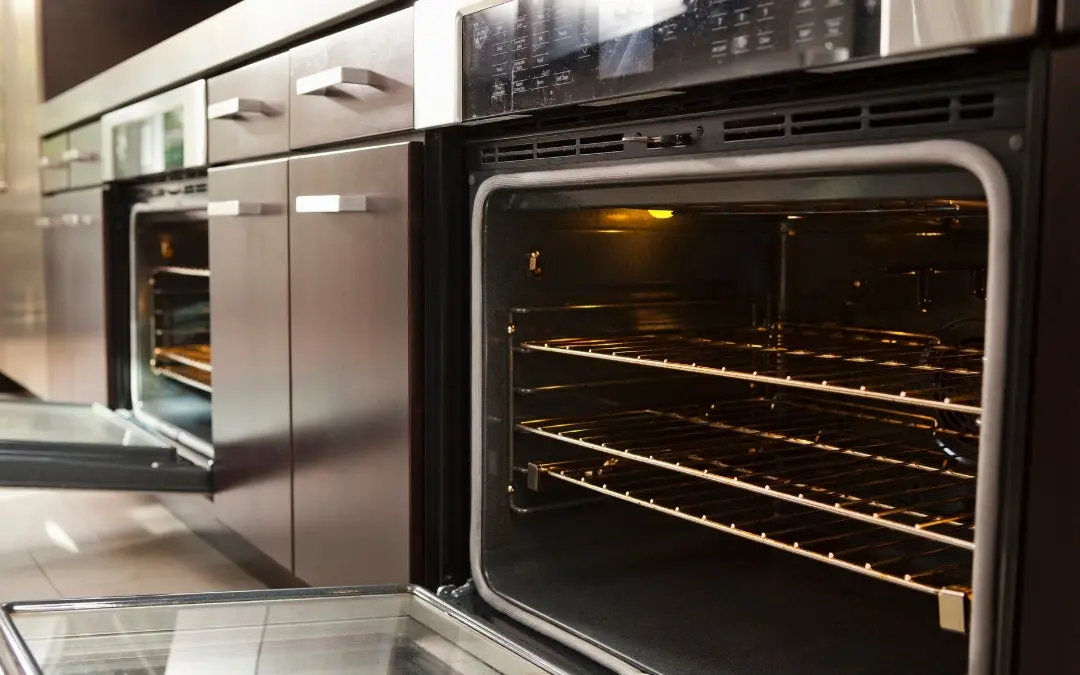
Conventional ovens, also known as static or traditional ovens, use heating elements positioned at the top and bottom of the oven cavity.
Heat radiates naturally from these elements, creating temperature zones within the oven. The top tends to be slightly hotter than the bottom, which is why many bakers rotate their baking trays halfway through cooking.
This natural heat distribution creates gentle, even cooking that many traditional recipes were designed around. The still air environment allows delicate items like soufflés and custards to set properly without being disturbed by air movement.
Fan Ovens: Modern Efficiency
Fan ovens, commonly called convection ovens, feature a fan and heating element at the back of the oven.
This fan circulates hot air throughout the entire cavity, creating a more uniform temperature distribution. Some models also include additional heating elements at the top and bottom, working alongside the fan system.
The constant air movement eliminates hot and cold spots, ensuring more consistent results across multiple baking trays. This circulation also means food cooks faster and often at lower temperatures than conventional ovens.
Temperature and Timing: The Critical Differences
Understanding how to adjust temperature and timing between oven types is essential for successful baking.
Temperature Adjustments
Fan ovens cook more efficiently due to their superior heat distribution.
As a general rule, reduce the temperature by 20°C (or 25°F) when using a fan oven with a conventional oven recipe. For example, if a recipe calls for 180°C in a conventional oven, set your fan oven to 160°C.
Many modern ovens display different temperature recommendations for fan and conventional settings, making this adjustment automatic. However, older models may require manual calculation.
Timing Considerations
The improved heat circulation in fan ovens typically reduces cooking times by 10-15%.
Keep a close eye on your bakes, especially during the first few attempts with a new oven. Start checking for doneness slightly earlier than the recipe suggests, then adjust your timing for future bakes.
Baking Performance: When to Choose Each Type
Different baking projects benefit from specific oven types, and understanding these preferences will elevate your results.
Conventional Ovens Excel At:
- Delicate Baked Goods: Soufflés, custards, and cheesecakes benefit from the gentle, still heat of conventional ovens. The lack of air movement prevents these delicate items from collapsing or developing uneven textures.
- Bread Making: Traditional bread recipes often perform better in conventional ovens. The radiant heat creates excellent crust development, whilst the still air allows for proper rising without interference.
- Slow Roasting: Large joints of meat and whole poultry develop better flavour and texture with the gentle, surrounding heat of conventional ovens.
Fan Ovens Shine For:
- Batch Baking: When baking multiple trays of biscuits or cupcakes, fan ovens provide consistent results across all levels. The circulating air ensures even browning regardless of shelf position.
- Pastry Work: Puff pastry, croissants, and similar laminated doughs benefit from the immediate, intense heat distribution. The fan helps create the steam necessary for proper lift and flakiness.
- Crisping and Browning: The moving air in fan ovens promotes better moisture removal, leading to crispier exteriors on items like roasted vegetables and gratins.
Energy Efficiency and Practical Considerations
Beyond baking performance, several practical factors influence your choice between fan and conventional settings.
a) Energy Consumption
Fan ovens generally use less energy due to their lower operating temperatures and reduced cooking times.
The efficient heat distribution means less energy is wasted, making them more economical for regular use.
b) Preheating Requirements
Conventional ovens typically require longer preheating times to reach the desired temperature throughout the cavity.
Fan ovens heat up more quickly and reach uniform temperatures faster, saving both time and energy.
c) Moisture Retention
The air circulation in fan ovens can sometimes dry out certain foods more quickly than desired.
This makes conventional ovens preferable for dishes requiring moisture retention, such as braised meats or covered casseroles.
Multi-Level Cooking: Maximising Your Oven Space
One of the most significant advantages of fan ovens is their ability to cook multiple items simultaneously across different shelf levels.
Fan Oven Advantages
The consistent temperature distribution allows you to use multiple shelves without worrying about uneven results.
This makes fan ovens ideal for meal preparation, holiday cooking, or batch baking sessions.
Conventional Oven Limitations
Conventional ovens work best with single-level cooking or when items require similar cooking conditions.
The natural temperature variations between shelves can lead to inconsistent results when cooking multiple items.
Troubleshooting Common Issues
Understanding how to address common problems with each oven type will improve your baking success rate.
Fan Oven Challenges
- Over-browning: If your bakes are browning too quickly, reduce the temperature further or cover with foil during the final stages of cooking.
- Drying Out: For items prone to drying, consider reducing the temperature slightly more than the standard 20°C reduction, or use a lower fan speed if available.
Conventional Oven Solutions
- Uneven Results: Rotate baking trays halfway through cooking to compensate for hot spots. Consider using an oven thermometer to identify temperature variations.
- Longer Cooking Times: Be patient with conventional ovens, as they naturally take longer to achieve the same results as fan ovens.
Making the Right Choice for Your Kitchen
The decision between fan and conventional ovens often comes down to your specific baking needs and preferences.
Consider Your Baking Style
If you frequently bake large batches or prefer the convenience of multi-level cooking, a fan oven offers significant advantages.
However, if you specialise in delicate baked goods or traditional recipes, a conventional oven might better suit your needs.
Recipe Adaptation
Most modern recipes include instructions for both oven types, making adaptation straightforward.
Keep notes on your successful conversions to build a personal reference guide for future baking sessions.
Takeaway
Regardless of which oven type you choose, understanding its characteristics allows you to achieve consistently excellent results.
Modern ovens often feature both fan and conventional settings, giving you the flexibility to choose the best option for each recipe. Experiment with both settings to discover which works best for your favourite bakes.
Remember that oven performance can vary significantly between models and manufacturers. Take time to understand your specific oven's behaviour, and don't hesitate to make adjustments based on your results.
Bake With Yen: Your Baking Ingredient Solution
Planning on starting your baking journey? Bake With Yen has everything you need to get started! From high-quality flours and sugars to baking ingredients and tools, we’re your one-stop shop for all things baking.
Whether you're a beginner or a pro, Bake With Yen is here to make your baking experience simple, fun, and successful.