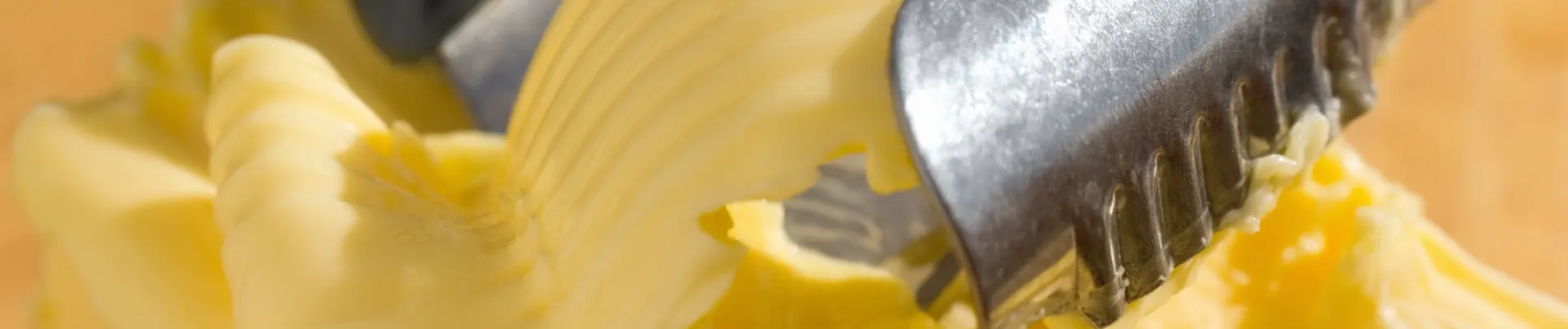
When it comes to baking and food preparation, having the right type of butter is essential. From salted to unsalted, European-style to American-style, there are several varieties of butter available on the market today.
Knowing which type of butter will work best for each recipe can be daunting. In this article, we’ll explore the different types of butter and the best way to use each one.
Types of Butter
Salted Butter
Salted butter is the most common type of butter used in cooking and baking. It adds a hint of saltiness, which helps enhance the flavour of dishes such as cakes, cookies, muffins, and biscuits.
Additionally, salted butter can be used for sautéing vegetables, frying eggs, and coating the bottom of a skillet.
Unsalted Butter
Unsalted butter is ideal for recipes that require precise measurements of salt or where the salty flavour is not desired.
Unsalted butter works great in breads, cakes, and cookies as it does not alter the amount of salt required by the recipe.
Clarified Butter
Clarified butter, also known as ghee, is made by slowly melting and straining regular butter to remove the milk solids. This makes it ideal for frying or sautéing at higher temperatures, as it has a higher smoke point than regular butter.
It also adds a rich flavour to dishes such as baked potatoes, vegetables, and sauces.
Organic Butter
Organic butter is made from cream that comes from cows fed organic feed and raised without the use of hormones. It has a higher fat content than regular butter, making it ideal for baking.
It is also great for adding richness to sauces, soups, and any other recipe where you would normally use butter. The flavour of organic butter is slightly more intense than regular butter.
Whipped Butter
Whipped butter is made by aerating regular butter with air, which makes it easier to spread and lighter in texture. Because of its lightness, whipped butter has a lower fat content than regular butter.
It is ideal for spreading on toast or muffins as its smooth consistency makes it easy to apply evenly. It can also be used in recipes where lightness is desired, such as cake batters, frostings, and meringues.
European-Style Butter
European-style butter, also known as cultured butter, is made with fermented cream that has a higher fat content than regular butter. This gives it a more intense and complex flavour, which makes it ideal for baking.
It is great for making pastries such as croissants and puff pastry, as its higher fat content helps create a flaky texture. It also adds a unique flavour to sauces, soups, and sautéed vegetables.
American-Style Butter
American-style butter is made with pasteurized cream that has been homogenized and has a lower fat content than European-style butter. This makes it easier to spread, but it can be slightly less flavorful than the other types of butter.
American-style butter is ideal for spreading on toast, muffins, and bagels. It can also be used in recipes where a lighter flavour is desired, such as cakes and cookies.
Plant-Based Butter
Plant-based butter is made from vegetable oils such as coconut, canola, and olive oil. It has a similar texture to regular butter and can be used in the same way as traditional butter.
It is great for sautéing vegetables, frying eggs, and baking cakes and cookies. Plant-based butter also adds a unique flavour to sauces, soups, and dressings.
Spreadable Butter
Spreadable butter is a combination of regular butter and canola oil. It has been whipped to give it a lighter texture, making it easier to spread on toast or muffins.
Spreadable butter is also great for sautéing vegetables and adding flavour to sauces, soups, and dressings.
Light Butter
Light butter is made with low-fat or non-fat milk and has a lower fat content than regular butter. It is great for spreading on toast or muffins as its light texture makes it easier to apply evenly.
Light butter can also be used in place of regular butter in recipes where a lighter flavour is desired, such as cakes, cookies, and frostings.
Takeaway
From salted to unsalted, European-style to American-style, there are several varieties of butter available on the market today. Knowing what type of butter is best suited for each recipe will help you create delicious dishes with the right flavour and texture.
With so many varieties to choose from, you are sure to find the perfect butter for any recipe.