Baking as beginners can be intimidating, but if done right, it can be easy and rewarding. However, as with any skill, there are certain terms and techniques that may seem confusing at first.
Two common terms that bakers often encounter are overbake and underbake. Today, we will define what these terms mean and how they can affect your baking.
Defining Overbake
Overbake is the process of baking something for too long, resulting in a product that is dry and hard.
This can happen when a baker sets the oven temperature too high or leaves the baked goods in for longer than the recommended time. It can also occur if the batter or dough is too thin, causing it to spread out and become overcooked.
Effects of Overbaking
Overbaking can have a significant effect on the texture and taste of baked goods. The longer the product is in the oven, the more moisture it loses, resulting in a dry and crumbly final product. This can be especially problematic for cakes, cookies, and bread.
In addition to affecting the texture, overbaking can also impact the flavor of baked goods.
When a product is overbaked, the sugars in the batter or dough caramelize, resulting in a darker and more bitter taste. This can be noticeable in cookies and bread, where a golden brown color is desirable but burnt edges are not.
Preventing Overbaking
The best way to prevent overbaking is to closely follow baking recipes and pay attention to the recommended times and temperatures.
It is also essential to know your oven and make any necessary adjustments, such as using an oven thermometer to ensure accurate temperature readings.
Another tip for preventing overbaking is to use a timer and check on the baked goods towards the end of the recommended baking time. If they are not fully cooked, you can keep them in the oven for a few extra minutes, but be careful not to leave them in for too long.
Defining Underbake
Underbake is the opposite of overbake, and it refers to the process of baking something for too little time. This means the baked goods are not fully cooked and can be raw on the inside.
It can happen if the oven temperature is too low or if the batter or dough is too thick, preventing it from cooking evenly.
Effects of Underbaking
Underbaked goods can have various issues, depending on how undercooked they are.
They can be raw and doughy in the middle, causing an unpleasant texture when consumed. In cakes and bread specifically, underbaking can lead to a dense and heavy final product.
In addition to texture, underbaking can also affect the flavor of baked goods. Since they are not fully cooked, the flavors may not have had enough time to develop, resulting in a bland or unappetizing taste.
Preventing Underbaking
To prevent underbaking, it is important to use an oven thermometer and pay attention to the recommended baking time. If a recipe requires preheating the oven, make sure to do so before putting in the baked goods.
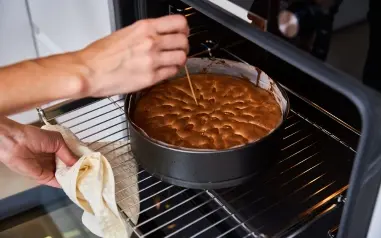
It can also be helpful to test baked goods for doneness by inserting a toothpick or knife into the centre. If it comes out clean, the product is fully cooked. If there are still wet batter or crumbs on the toothpick, then it needs to continue baking for a few more minutes.
Takeaway
Overbake and underbake are two common terms in baking that refer to the process of cooking something for too long or too little time.
Both can have significant effects on the texture and taste of baked goods, and it is important to pay attention to recipes and use proper techniques to prevent these issues.
With practice and knowledge, bakers can master the art of baking and avoid overbaking or underbaking their creations. So keep on practicing, and happy baking.
If you are looking for baking supplies, make sure to check our online store for various options.