Baking without sugar, wheat flour, or starchy ingredients might sound impossible at first. But that’s exactly what keto baking is all about, and why it opens up a whole new world of delicious possibilities for those following a low-carb lifestyle.
By understanding the key differences and ingredients, you can create tempting baked goods without compromising your keto goals.
Whether you’re managing diabetes, embarking on a ketogenic diet, or simply exploring a healthier way to enjoy your favourite treats, keto baking offers something for everyone.
What Makes Baking Keto
Keto baking follows the principles of the ketogenic diet, which focuses on low-carb, high-fat, and moderate-protein macros.
Unlike traditional baking, keto recipes skip refined sugars, wheat flour, and starchy ingredients. Instead, they rely on low-carb alternatives to recreate the texture and flavor of classic baked goods.
To be truly keto, a baked item must:
- Contain minimal net carbs (total carbs minus fiber and sugar alcohols).
- Exclude high-carb ingredients like sugar, cornstarch, and traditional flours.
- Leverage healthy fats for richness and flavour.
It’s important to note that not all “gluten-free” or “sugar-free” recipes are keto. They may still contain hidden carbs or non-keto ingredients. That’s why understanding the core components of keto baking is crucial.
Core Keto Baking Ingredients
Keto baking shines when you know your ingredients and their specific roles. Here's a breakdown:
Keto-Friendly Flours
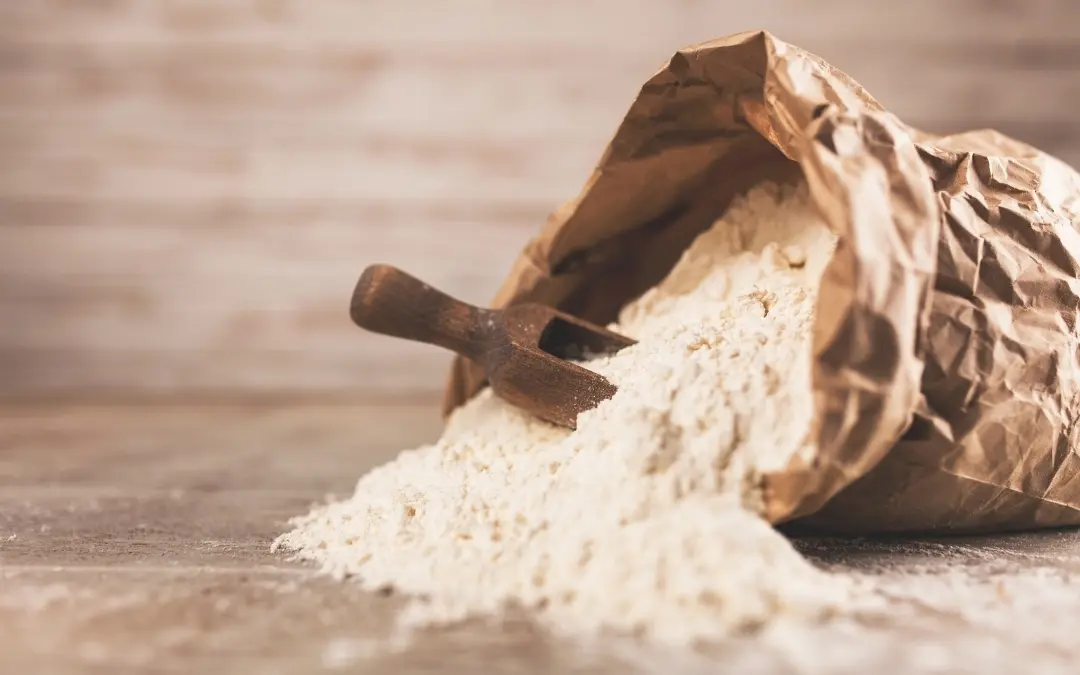
- Almond Flour: A versatile, moist, and slightly nutty flour that’s perfect for cookies, cakes, and muffins. Low in carbs and easy to use.
- Coconut Flour: Extremely absorbent and is best used sparingly or combined with almond flour. Adds coconut flavor and is ideal for pancakes or bread.
- Flaxseed Meal: A good binding agent with a subtle texture. It works well in crackers and bread recipes.
- Sunflower Seed Flour: A nut-free, keto-friendly option that’s great for those with nut allergies.
Low-Carb Sweeteners
- Erythritol: The go-to keto sweetener. It’s almost calorie-free, doesn’t spike blood sugar, and has minimal aftertaste.
- Monk Fruit Sweetener: Natural, with zero carbs. It’s often blended with erythritol for a balanced sweetness.
- Stevia: A plant-based sweetener that’s 200 times sweeter than sugar. Often mixed with other sweeteners for better balance.
- Allulose: A newer favourite that closely mimics sugar’s texture and taste with no glycemic impact.
Binders and Structure Enhancers
- Eggs: The backbone of most keto baked goods, eggs provide structure, moisture, and rise.
- Xanthan Gum: A gluten replacement that adds elasticity and helps with texture.
- Psyllium Husk: Adds bulk and creates a bread-like texture in keto recipes.
Fats and Dairy
- Butter or Ghee: Adds richness and flavour to keto recipes.
- Coconut Oil: A great dairy-free alternative that complements sweet bakes.
- Heavy Cream and Cream Cheese: Essential for creamy desserts like cheesecakes or frostings.
Keto Ingredient Substitutions at a Glance
When transitioning to keto baking, it’s important to swap out high-carb ingredients for low-carb alternatives that still deliver great taste and texture. Here are some common keto-friendly substitutions:
1) Wheat flour → Almond flour or Coconut flour
These low-carb flours are staples in keto baking.
Almond flour gives a moist, nutty texture, while coconut flour is more absorbent and requires different ratios. They aren’t direct 1:1 replacements, so recipes need to be adjusted.
2) Sugar → Erythritol or Monk Fruit
These natural sweeteners provide sweetness without spiking blood sugar. They may have a slightly different aftertaste, especially if you're new to sugar alternatives.
3) Milk → Unsweetened Almond Milk
A lower-carb option with a similar consistency to dairy milk, making it a great substitute in most baking recipes.
4) Cornstarch → Xanthan Gum or Psyllium Husk
Used in much smaller amounts, these help with binding and structure in keto recipes without the added carbs.
Overcoming the Challenges of Keto Baking
Mastering keto baking has its challenges. Here’s what to watch out for and how to handle them:
- Different Texture: Keto flours are denser than traditional ones. Expect baked goods to feel more crumbly or moist.
- Learning Curve with Substitutions: Each keto ingredient behaves differently. Stick to tested keto recipes before experimenting.
- Sweetener Aftertaste: Some sugar alternatives like stevia can leave an aftertaste. Blending sweeteners can help balance flavours.
- Proportion Adjustments: Keto flours absorb moisture differently. Follow recipes closely to avoid overly dry or wet outcomes.
Pro tip: Invest in a kitchen scale! Measuring ingredients by weight ensures precision, especially with flours and sweeteners.
Best Keto Bakes for Beginners
If you’re new to keto baking, here are some beginner-friendly recipes to try:
- Almond Flour Muffins: Perfectly moist and versatile for breakfast or snacking.
- Coconut Flour Pancakes: Fluffy and flavourful, ideal for weekend brunch.
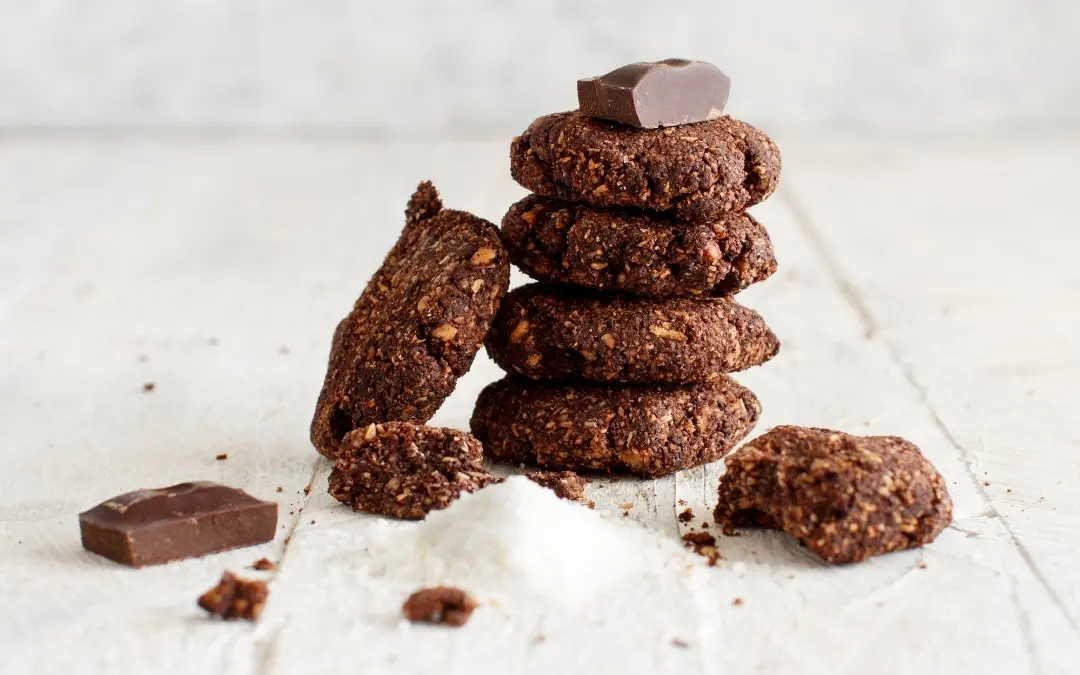
- Keto Chocolate Mug Cake: Quick, single-serve dessert for those late-night cravings.
- Cheesecake with Erythritol: Decadent and creamy, a crowd favourite for any occasion.
Pro tip: Start with simple recipes to get accustomed to how keto ingredients behave. Over time, you can explore more complex techniques.
Takeaway
Keto baking isn’t just about cutting carbs, it’s about discovering new, exciting ways to enjoy baked goods with healthier ingredients. While it may take a little practice to perfect the textures and flavours, the results are absolutely worth it.
Armed with the right knowledge and ingredients, you can whip up irresistible treats that align with your low-carb lifestyle.
Shop at Bake With Yen
Looking for baking supplies for your baking project? Bake With Yen has everything you need for your baking journey.
From high-quality ingredients to essential tools and equipment, we've got you covered. Whether you're a beginner or seasoned baker, you'll find everything to create your next masterpiece.