When it comes to baking, using the right type of salt can make a significant difference in the final result. While some may argue that any type of salt would do, others believe that choosing the best salt for a specific recipe is crucial.
The Role of Salts in Baking
Salt is not only used for flavour but also has some other essential roles in baking, including:
- Controlling yeast activity: In bread making, salt helps to regulate the fermentation process, resulting in a better rise and texture.
- Preserving freshness: Salt acts as a natural preservative, which is why it is commonly used in baking recipes that require a longer shelf life.
- Texture enhancement: For instance, in cookies, salt slows down the gluten formation process, resulting in a softer and chewier texture.
- Flavour balancing: Salt enhances the flavour of other ingredients in baking recipes. It brings out the sweetness in desserts and balances out the bitterness in certain ingredients like cocoa powder.
Types of Salt
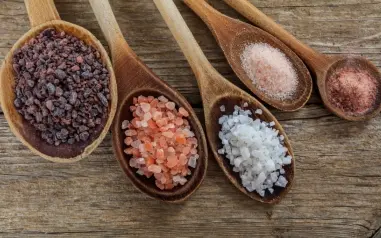
There are various types of salt available in the market, each with its unique characteristics and uses. The most common types of salt used in baking include table salt, kosher salt, sea salt, and Himalayan pink salt.
Table Salt
This is the most commonly used type of salt in households. It is highly refined and finely ground to create small, uniform crystals that dissolve quickly.
However, due to its fine texture, it can be easy to oversalt a recipe if not measured correctly.
Kosher Salt
This type of salt has larger, coarser crystals compared to table salt. It is less dense than table salt and can be easily pinched, making it perfect for seasoning food while cooking or baking.
Additionally, kosher salt is free from additives such as iodine, which may affect the taste of a recipe.
Sea Salt
As the name suggests, sea salt is obtained from the evaporation of seawater. It comes in both fine and coarse varieties and has a slightly briny flavour due to its mineral content.
Sea salt is often used as a finishing salt, sprinkled on top of dishes for added texture and flavor.
Himalayan Pink Salt
This type of salt is mined from ancient sea beds in the Himalayan region. It is known for its pink colour, which comes from trace minerals such as iron and magnesium.
Himalayan pink salt has a milder flavour compared to other types of salt and is often used in baking recipes that call for a subtle touch of salt.
Choosing the Best Salt
When it comes to choosing the best salt for a baking recipe, it ultimately depends on personal preference. However, there are a few things to keep in mind:
- For recipes that require precise measurements, such as bread or pastry dough, table salt is the best option.
- If you prefer a more subtle flavour, go for kosher salt or sea salt.
- Himalayan pink salt is perfect for recipes that call for a touch of salt without overpowering other flavours.
Using Different Salts to Affect Texture
It is essential to remember that the type of salt used can affect not only the taste but also the texture of a recipe.
- Fine salt dissolves quickly and is best for recipes that require a smooth consistency, such as cake batters.
- Coarse salt adds a bit of crunch and can be used as a topping or mixed into dough for added texture.
- Flake salt, such as Maldon salt, is best used as a finishing salt, sprinkled on top of dishes for added visual appeal and texture.
Takeaway
The best salt to use in a baking recipe depends on the desired outcome and personal preference. Experimenting with different types of salt and observing how it affects your recipes can help you find the perfect balance of flavour, texture, and consistency.