Say you are midway through making a chocolate cake and the recipe calls for baking powder and baking soda. But, you ran out of baking powder so you double up the baking soda to replace the baking soda. After putting it in the oven, you panic – what if the cake doesn’t rise? Did you just spoil the recipe?
Though baking soda and baking powder are both made of sodium bicarbonate which is a leavening ingredient, replacing one with the other in a pinch may not always lead to a well-baked good.
Baking Soda
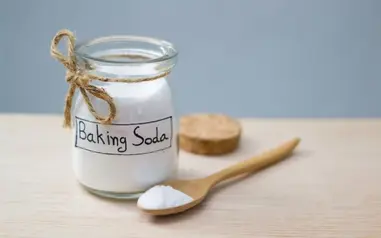
Baking soda, or sodium bicarbonate, is an efficient leavening agent used in baking. When mixed with moisture and acidic ingredients such as yoghurt, buttermilk, sour cream, molasses or brown sugar; carbon dioxide bubbles are produced. These gas bubbles enable baked goods like cakes, quick bread muffins biscuits and cookies to rise while giving them a light texture.
Baking Powder
Baking powder is a combination of baking soda, cream of tartar and another acid in powdered form. You don’t need to pair it with acidic components for it to rise; the only thing required here is itself!
When you use both baking soda and baking powder in your recipe, two important things happen – firstly, the baking soda neutralises any acidic elements present while the baking powder provides that much-needed lift when being baked in the oven. An added benefit is that baking soda helps your baked goods brown better.
So, Can I Substitute Baking Soda for Baking Powder?
Absolutely, baking soda will activate as long as there are enough acidic ingredients present. For every 1/2 teaspoon of baking powder, you’ll need one cup of buttermilk or yoghurt. Alternatively a teaspoonful each of lemon juice and vinegar for it to work its leavening magic. Beware that the potency of baking soda is three times greater than that of traditional baking powder, so use it sparingly as a replacement.
Then Can I Substitute Baking Powder for Baking Soda?
Generally, it is not recommended to substitute baking powder for baking soda. However, if you find yourself in a bind and need to substitute it, use one teaspoon of baking soda to three teaspoons of baking powder. It should be noted that due to its potency, using too much baking soda can yield an unpleasant metallic or salty taste in your final product. Therefore, reduce any salt amount by half as well as consider replacing acidic ingredients such as lemon juice, vinegar, buttermilk or yoghurt with something less tangy.
Now you know the difference between baking soda and baking powder, hopefully, you get a better idea of how each ingredient affects the recipe and know how to replace either one when you’re in a pinch!
If you just ran out of baking soda or any other pantry essentials, you can refill your pantry without leaving your house. Simply place an order through a baking supplies store and enjoy a cup of tea while you wait for your delivery.
Happy baking!