When it comes to baking, one of the most important ingredients is fat. Butter and margarine are two popular options for a source of fat in baked goods. Both have their pros and cons when used in baking, so let’s take a look at how they differ.
What is Butter?
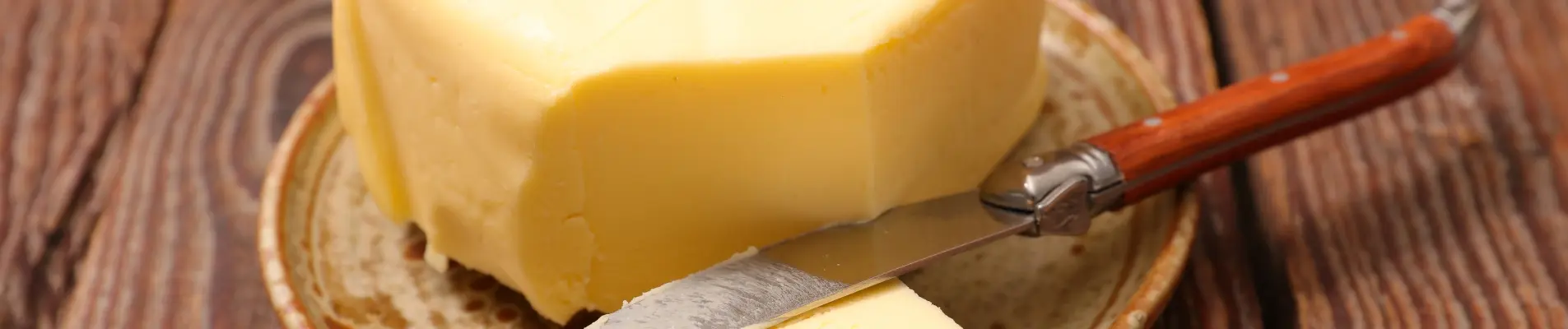
Butter is a dairy-based product made from churning cream or milk. It contains around 80% fat, giving it the ability to add flavour, richness and moisture to baked goods.
When baking with butter, it should be at room temperature or softened for a better mixing process. Butter is often used in recipes with a little extra flavour, such as cakes, cookies and pastries.
What is Margarine?
Margarine is a vegetable oil-based spread similar in appearance to butter. However, unlike butter, margarine is usually composed of at least 80 per cent fat which has been processed into a solid state through hydrogenation.
Margarine also tends to be lower in calories than butter but does not have the same flavour as its dairy counterpart.
How Do Butter and Margarine Differ?
Taste and Texture
The flavour of butter adds richness to baked goods that cannot be duplicated with margarine.
The texture also differs between butter and margarine: while butter makes pastries deliciously flaky, the texture of margarine is usually greasy or waxy.
Fat Content
Butter is composed primarily of milkfat (about 80%), along with some water and other substances such as salt which can vary depending on the type of butter.
Margarine is a blend of different vegetable oils, water, and milk proteins. Some margarines are composed mainly of monounsaturated fats (e.g. olive oil) while others have more saturated fat, like palm or coconut oil.
Nutritional Profile
Butter contains higher amounts of saturated fat than margarine does; however, it also contains some vitamins A, D, and E which margarine does not have.
As far as calories go, both butter and margarine contain about the same amount per tablespoon but check the nutrition labels to be sure.
Baking with Butter vs Margarine
When it comes to baking, butter is often the preferred choice. Its high-fat content makes it ideal for making flaky pastries and other baked goods with a light, airy texture.
Margarine, on the other hand, is more often used in savoury applications such as spreading on toast or as a replacement for butter in sauces. It can also be used in baking goods such as cakes or quick bread, but the final product will not be as light and fluffy as if butter had been used.
Takeaway
When it comes to baking, butter and margarine both have unique properties that can make them suitable for certain recipes.
Using butter in baked goods will enhance their flavour and make them flakier, while margarine is a healthier option with lower calories and saturated fat. Ultimately, the decision of which one works best for your recipe is in your hands.
Looking for wholesale baking supplies? Make sure to check out our online store.