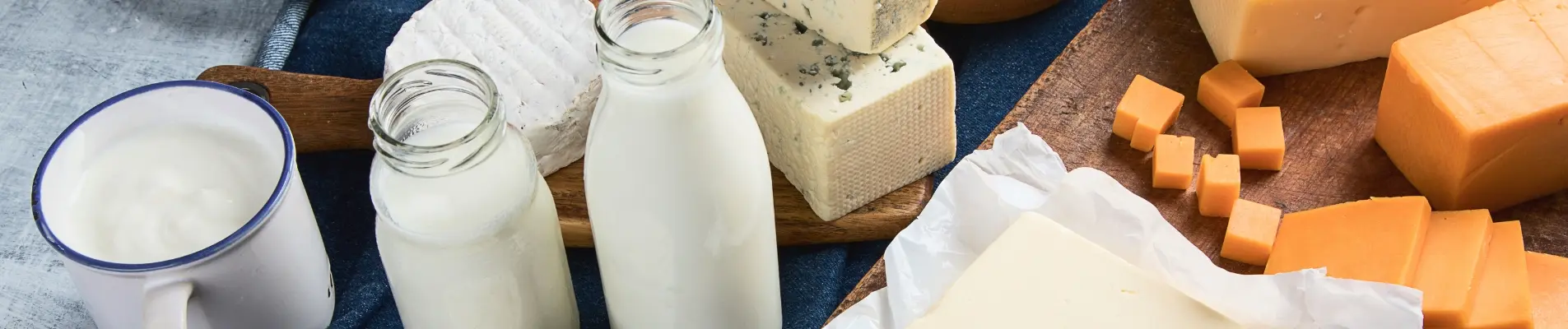
When it comes to baking, the type of milk used can greatly affect the overall outcome of your baked goods. While most recipes call for regular cow’s milk, there are other types of milk that can be used as alternatives.
Today, we will discuss the different types of milk that can be used in baking and how they can impact your final product.
Regular Cow’s Milk
Cow’s milk is the most commonly used type of milk in baking.
This type of milk contains a balance of fat, protein, and sugar which helps to create a rich and moist texture in baked goods. It also has a neutral flavor that won’t overpower other ingredients in your recipe.
However, for those who are lactose intolerant or have dairy allergies, cow’s milk may not be the best option. In this case, other types of milk can be used as substitutes.
Plant-based Milk
Various plant-based milks can be used in baking, such as almond, soy, and coconut milk. These types of milk are suitable for those who have dairy allergies or follow a vegan diet.
When using plant-based milk in baking, it’s important to consider the consistency and flavour of the milk.
Almond milk, for example, has a thinner consistency compared to cow’s milk and may require adjustments in recipes. Soy and coconut milk have a stronger flavour that can add a unique taste to your baked goods.
Goat’s Milk
Goat’s milk is another option that can be used in baking. It has a similar consistency and taste to cow’s milk but with a slightly tangier flavour. This can add depth to your baked goods and give them a unique twist.
Goat’s milk is also easier to digest for those who are lactose intolerant as it contains lower levels of lactose compared to cow’s milk. However, it can be more difficult to find in stores and may be more expensive than cow’s milk.
Buttermilk
Buttermilk is another type of dairy-based milk that is commonly used in baking. It has a thicker consistency and tangy flavour, making it ideal for baked goods such as pancakes, waffles, and biscuits.
It also contains more acid compared to regular milk, which helps to activate baking soda and create a lighter texture in baked goods. If you don’t have buttermilk on hand, you can easily make a buttermilk substitute by combining regular milk with lemon juice or vinegar.
Takeaway
To summarize, the type of milk used in baking can greatly impact the taste and texture of your final product. While dairy milk is the most commonly used, there are other non-dairy milk options such as plant-based milk that can be used as substitutes.
When experimenting with different types of milk in your baking, consider the consistency and flavour of the milk to ensure the best results. So next time you’re in the kitchen whipping up some delicious treats, don’t be afraid to try a different type of milk and see the difference it can make.