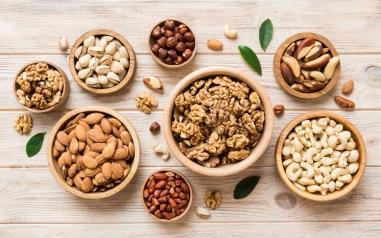
Baking is a popular pastime for many people, and nuts are often included in baked goods for their flavor, texture, and nutritional benefits. However, not all nuts are created equal when it comes to baking. Some work better than others in certain recipes, while others may even be harmful if consumed in large quantities.
In this article, we will discuss the different kinds of nuts that are good for baking, and the unique qualities they bring to your baked treats.
Almonds
Almonds are one of the most commonly used nuts in baking.
They have a mild yet slightly sweet flavor that pairs well with both savoury and sweet dishes. Almond flour, made from finely ground almonds, is a popular alternative to traditional wheat flour for those following a gluten-free diet.
In baking, almonds are often used as toppings for cakes or cookies, added to granolas or trail mixes, and ground into almond meal for use in macarons or other delicate pastries.
They can also be used to make almond paste, marzipan, and almond butter – all of which add unique flavors and textures to baked goods.
Walnuts
Walnuts have a distinctively rich and buttery flavor that makes them ideal for adding depth to baked goods. They are often used in bread and cake recipes, as well as in brownies, muffins, and cookies.
Walnuts can be chopped or ground up and mixed into the batter or sprinkled on top for added crunch.
Aside from their flavor, walnuts also offer health benefits – they are rich in omega-3 fatty acids, antioxidants, and other nutrients that are good for heart health.
Pecans
Pecans have a slightly sweet, buttery taste with a soft yet crunchy texture. They are commonly used in baking for their distinct flavor and versatility. Pecan pie is a classic dessert that features these nuts as the star ingredient, but can also be used in cakes, cookies, and bars.
Pecans are a good source of healthy fats and various vitamins and minerals. They are also high in fibre, making them a great addition to any baked good for added nutrition.
Cashews
Cashews have a milder taste than other nuts, making them suitable for both sweet and savoury baking recipes. They can be ground into flour or blended into creamy sauces like cashew cream or cheesecake fillings.
Cashew pieces can also add texture and flavor when sprinkled on top of cakes or incorporated into brownies and cookies.
In addition to being a good source of healthy fats, cashews also offer protein, antioxidants, and other essential nutrients.
Hazelnuts
Hazelnuts have a rich, nutty flavor that pairs well with chocolate and other sweet flavors. They are commonly used in biscotti, cakes, and pastries, such as croissants or babka. Hazelnut meal can also be used as an alternative to almond flour in gluten-free baking recipes.
Apart from their delicious taste, hazelnuts are also a good source of fibre, healthy fats, vitamins, and minerals. They are especially high in vitamin E, which plays a role in maintaining healthy skin and eyes.
Takeaway
To conclude, the types of nuts that are good for baking vary in flavor, texture, and nutritional benefits. Almonds, walnuts, pecans, cashews, and hazelnuts can all add unique qualities to your baked goods, while also providing health benefits.
Experiment with different types of nuts in your recipes to find your favourite combination! Remember to always use nuts in moderation, as they are high in calories and can cause digestive issues if consumed excessively.
Looking for baking supplies? Bake With Yen offers a wide variety of ingredients, including different types of nuts, to help take your baking to the next level.