If you’ve ever followed a baking recipe online, you’ve probably noticed that some list ingredients in cups, while others use grams. It can be confusing — especially when you’re trying to figure out if one cup of flour here equals one cup of flour there.
So why do some recipes prefer grams, and which system actually gives better results? Let’s break down the differences, the pros and cons of each, and why professional bakers — including those in Singapore — often swear by grams.
The Big Difference Between Cups and Grams
The main distinction between the two lies in what they measure:
- Cups measure volume — how much space an ingredient takes up.
- Grams measure weight — how heavy the ingredient actually is.
This difference may sound small, but in baking, where precision is key, it can have a big impact on texture, rise, and flavour.
Why Volume Measurements (Cups) Can Be Inconsistent
Using cups seems convenient — just scoop and pour. But here’s the problem: not all scoops are equal.
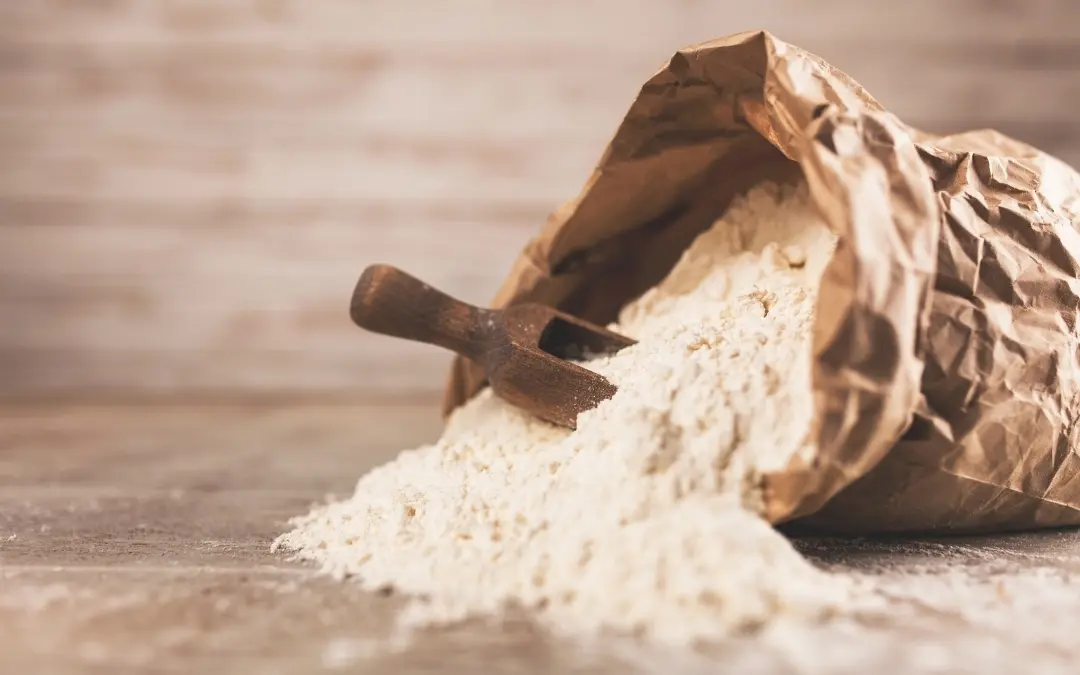
Let’s take flour as an example. Depending on how you fill your cup, you can end up with very different amounts:
- Scooped and packed flour: up to 150g per cup
- Lightly spooned flour: around 120g per cup
That’s a 25% difference — enough to make your cookies dense or your cake dry.
The same goes for brown sugar (which can be packed tightly or loosely), shredded cheese, or cocoa powder. Even small variations in measurement can affect how your batter behaves.
In other words, cups introduce room for error, especially in Singapore’s humid climate where ingredients can clump or settle differently.
Why Weight (Grams) Gives More Consistent Results
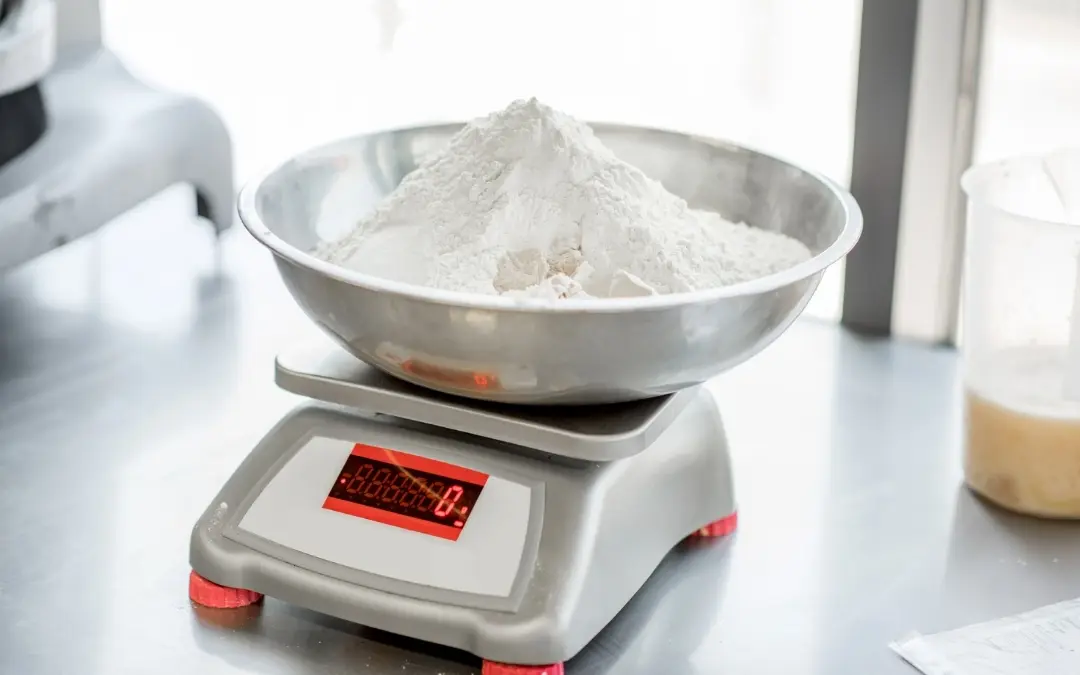
When recipes use grams, they eliminate the guesswork. 100 grams of flour is always 100 grams — no matter how it’s scooped or sifted.
This precision leads to:
- More reliable textures in cakes, breads, and pastries
- Consistent baking results every time you make the same recipe
- Easier scaling when doubling or halving a recipe
That’s why professional bakers and pastry chefs rely on digital kitchen scales instead of measuring cups.
In fact, many renowned baking schools and patisseries around the world (including those in Singapore) teach students to measure by weight from day one.
The Case for Cups: Convenience and Familiarity
While grams are more accurate, cups still have their place — especially for home bakers.
Here’s why:
- Cups are quick and accessible. No need for a scale — just grab your measuring set.
- Ideal for simple bakes like muffins, pancakes, or brownies, where slight variations don’t ruin the recipe.
- Common in American recipes, so many online instructions use cup measurements by default.
If you bake casually or just enjoy trying out easy recipes, cups can be perfectly fine.
When Accuracy Really Matters
Certain types of recipes are more sensitive to measurement differences — and in these cases, grams make a big difference:
1. Breads and Yeast Doughs
Too much flour can make bread dense and tough. Measuring by weight helps you get the perfect hydration ratio for fluffy, well-risen dough.
2. Macarons and Pastry Creams
Delicate recipes like macarons rely on precise ingredient ratios. A few grams off can affect how the batter spreads or whether the shells form properly.
3. Cakes and Sponge Batters
Even slight miscalculations can alter crumb texture, rise, or moisture balance.
4. Chocolate Tempering and Candy-Making
Ingredients like chocolate, sugar, and butter need to be weighed precisely for consistent texture and finish — something you can’t achieve with volume alone.
In short: use grams whenever precision matters or when you’re following a professional-level recipe.
How to Convert Cups to Grams (Safely)
If your favourite recipe lists cups, you can still convert it — just keep in mind that each ingredient has a different weight per cup.
Here are a few common conversions used by bakers in Singapore:
Ingredient | 1 Cup (Approx.) |
|---|---|
All-purpose flour | 120g |
Granulated sugar | 200g |
Brown sugar (packed) | 220g |
Butter | 227g |
Cocoa powder | 100g |
You can also use digital tools or baking apps to help with quick conversions. However, once you start baking regularly, a kitchen scale will quickly become your best friend.
Choosing the Right Measuring Tools
For Cup-Based Recipes
Use standard dry and liquid measuring cups. Avoid everyday mugs or spoons, as their capacities vary widely.
For Gram-Based Recipes
Invest in a digital kitchen scale — ideally one that measures in both grams and ounces for flexibility. Scales are affordable, accurate, and last for years.
At Bake With Yen, you’ll find a range of baking tools and ingredients, from precision measuring scales and cups to professional-grade flours, sugars, and syrups — all designed to help you bake better with confidence.
So… Which Is Better?
Both systems have their place in the kitchen, but when it comes to consistency, accuracy, and professional-quality results, grams are the clear winner.
Cups are convenient for quick bakes or when you’re starting out, but weighing ingredients helps you avoid common pitfalls and produce reliable results — every single time.
If you’re serious about improving your baking, making the switch to grams is one of the easiest ways to elevate your skills.
Takeaway
Measuring in grams may feel unfamiliar at first, but once you experience the difference in precision and consistency, you’ll wonder how you ever baked without it.
Whether you prefer cups or grams, the key is to use quality ingredients and reliable tools. For everything you need — from baking scales and syrups to flours, chocolates, and toppings — visit Bake With Yen.
Bake smarter, measure better, and enjoy results that rise, shine, and taste exactly as they should.