Baking moulds may seem like simple kitchen tools, but choosing the right one can significantly affect the texture, shape, and overall success of your baked goods.
Different moulds conduct heat differently, influence baking time, and impact how easily cakes or pastries release after baking.
Whether you are making cupcakes, sponge cakes, tarts, or chilled desserts, understanding how to choose and use baking moulds properly can help improve consistency and make baking more enjoyable.
Why Baking Moulds Matter
A baking mould does more than hold batter in place. The size, material, and shape of the mould all affect how heat is distributed during baking.
Using the wrong mould can lead to:
- Uneven baking
- Overcooked edges or undercooked centres
- Difficulty removing baked goods
- Changes in texture or structure
Choosing the correct, good quality baking mould helps ensure better heat distribution and more reliable results.
Common Types of Baking Moulds
Metal Baking Moulds
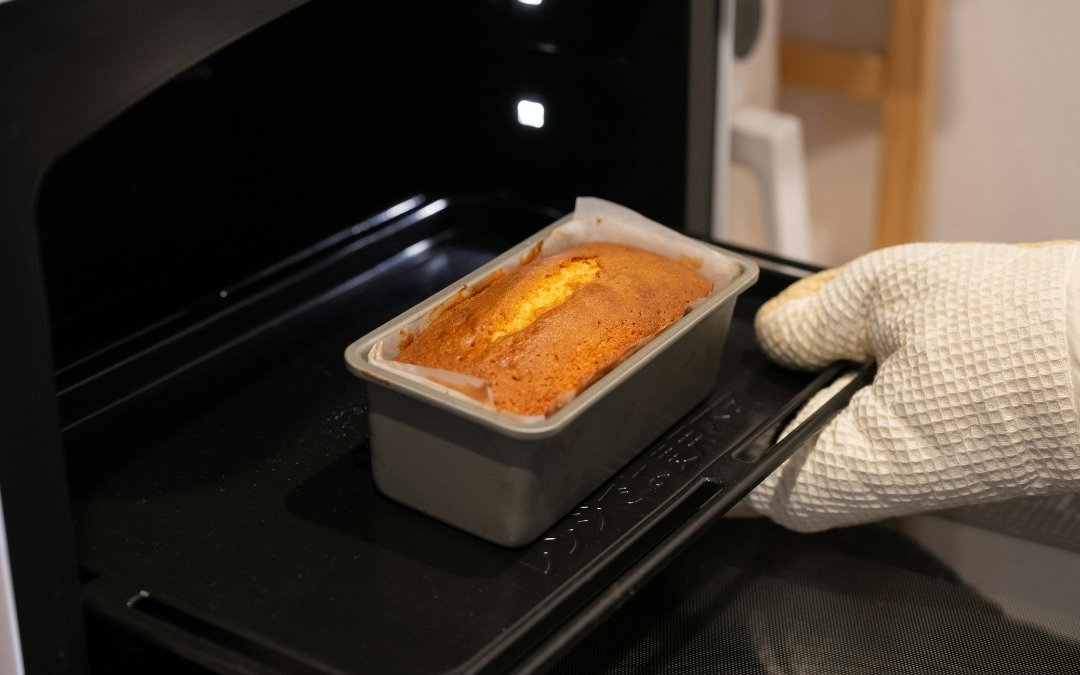
Metal moulds are one of the most commonly used options, because they conduct heat efficiently and produce even baking results.
Best for:
- Cakes and brownies
- Bread loaves
- Muffins and cupcakes
They are ideal when you want consistent browning and structure.
Silicone Baking Moulds
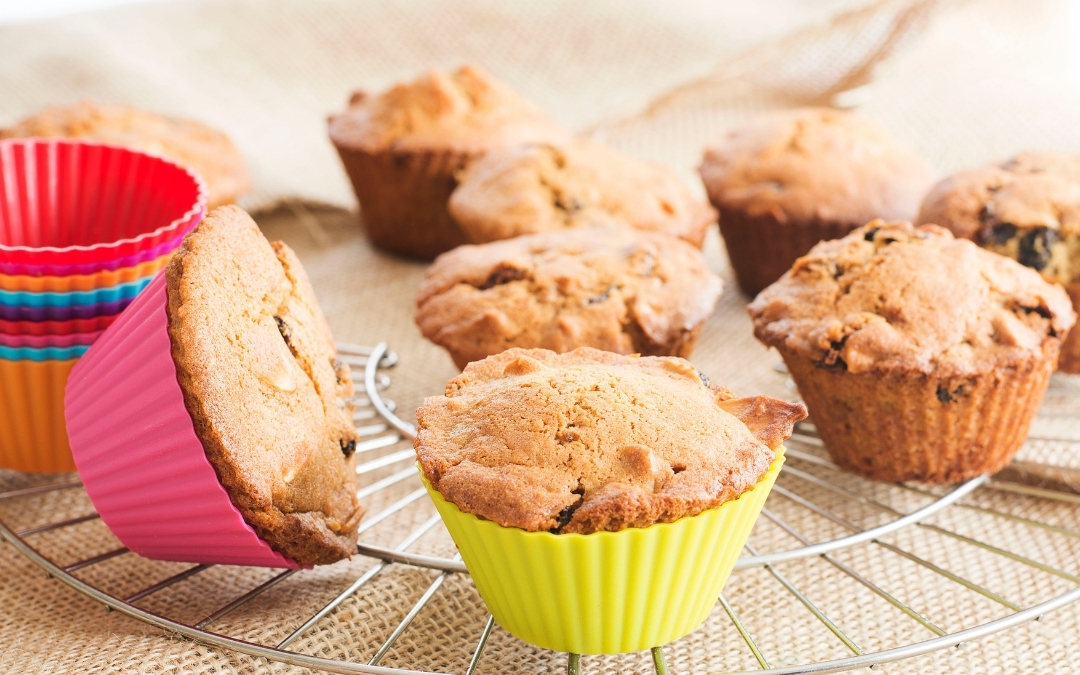
Silicone moulds are flexible, lightweight, and easy to release after baking. They are especially popular for shaped desserts and delicate items.
Best for:
- Muffins and cupcakes
- Jelly and mousse desserts
- Decorative or novelty shapes
However, silicone may bake slightly slower than metal due to lower heat conductivity.
Non-Stick Baking Moulds
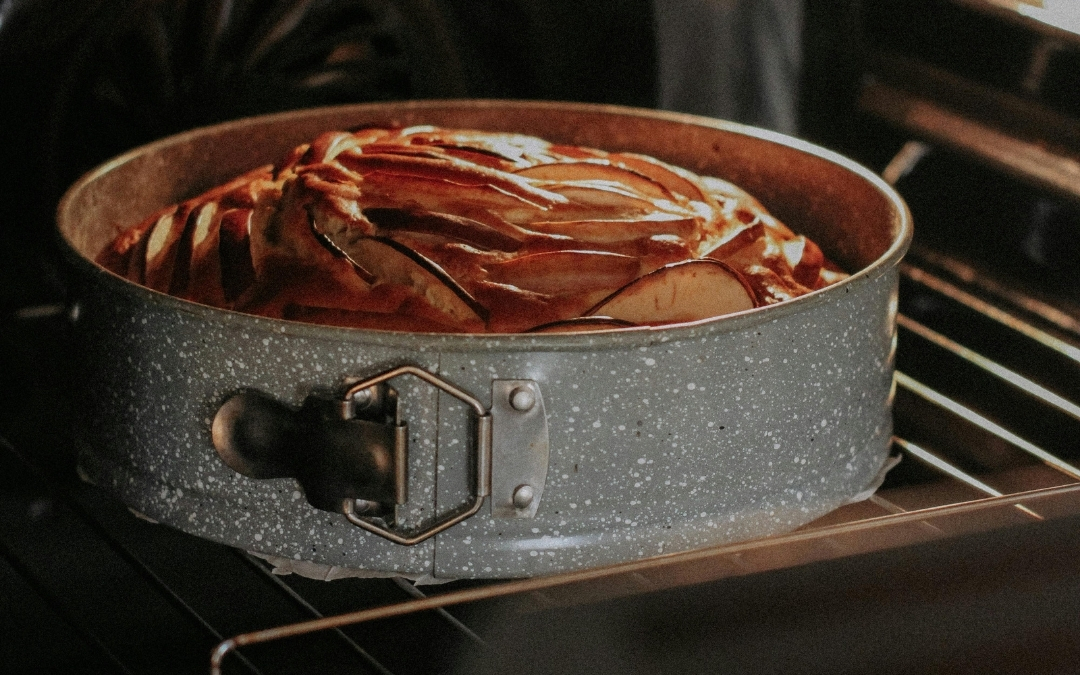
Non-stick moulds have a coated surface that helps reduce sticking and makes cleanup easier.
Best for:
- Cheesecakes
- Sponge cakes
- Sticky or delicate bakes
Even with non-stick coatings, lightly greasing the mould is still recommended for easier release.
Glass and Ceramic Baking Dishes
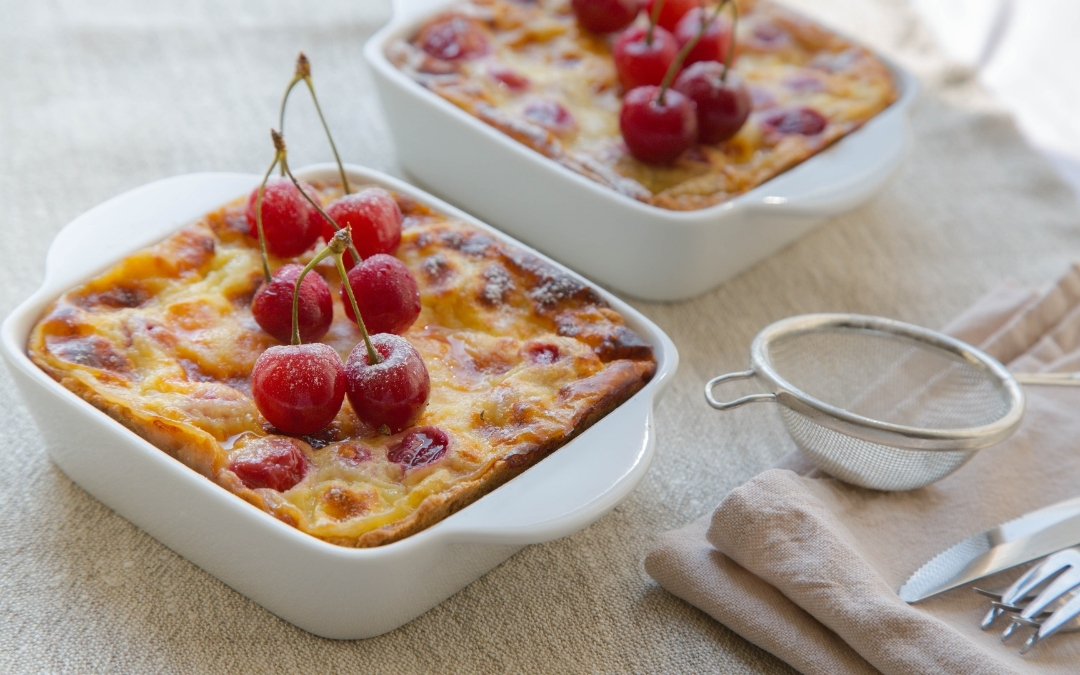
Glass and ceramic moulds retain heat well and are often used for recipes that require steady, even baking.
Best for:
- Baked puddings
- Cobblers and pies
- Casserole-style desserts
Because these materials retain heat longer, baked goods may continue to cook slightly after removal from the oven.
How Different Mould Shapes Affect Baking
The shape of a baking mould can influence both baking time and final texture. Wider moulds allow heat to spread more evenly, while deeper moulds may require longer baking times to cook through the centre.
For example, bundt moulds are designed with a hollow centre to help cakes bake more evenly despite their larger size. Loaf pans create taller, denser bakes, while shallow tart tins produce crispier crusts because of greater surface exposure to heat.
Using the correct mould shape for your recipe helps maintain the intended texture and appearance of the final bake.
How to Choose the Right Baking Mould
When selecting a baking mould, consider the recipe, baking temperature, and desired texture.
Size Matters
Using a mould that is too small can cause overflow, while oversized moulds may produce flatter or drier results. Always check recipe recommendations before baking.
Consider the Material
Different materials affect baking differently:
- Metal heats quickly and evenly
- Silicone offers flexibility and easy release
- Glass and ceramic retain heat longer
Choosing the right material helps improve texture and consistency.
Shape Can Affect Baking Time
Deep or unusually shaped moulds may require longer baking times. Smaller moulds usually bake faster due to increased heat exposure.
Should You Grease or Line Your Baking Mould?
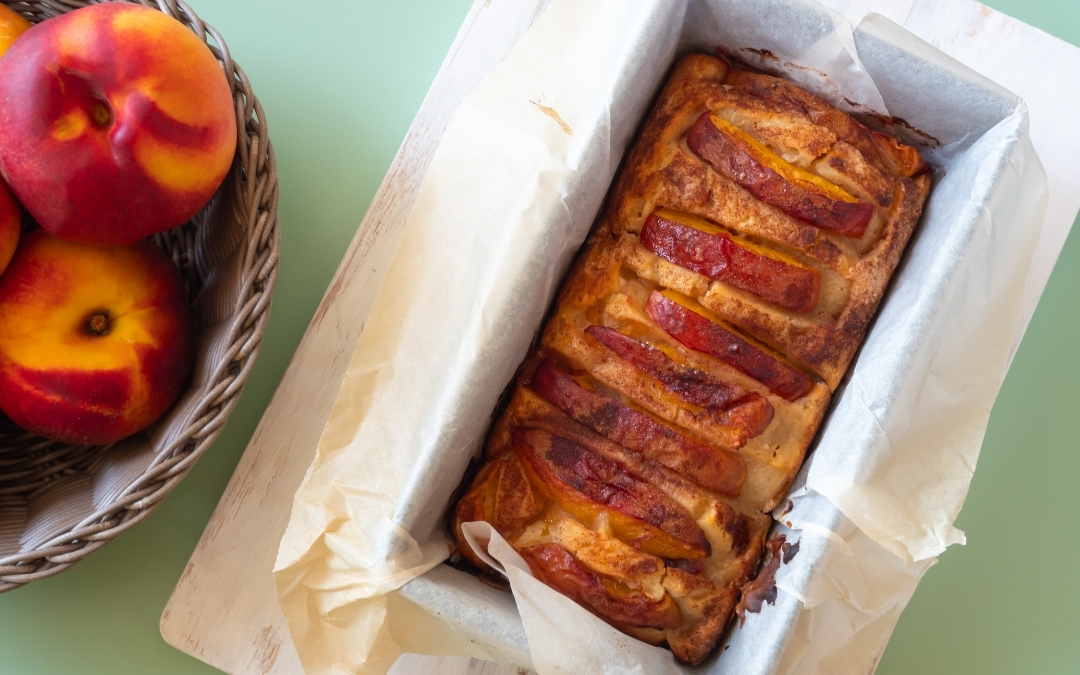
One of the most common baking questions is whether baking moulds should always be greased or lined. The answer depends on the recipe and the type of mould used.
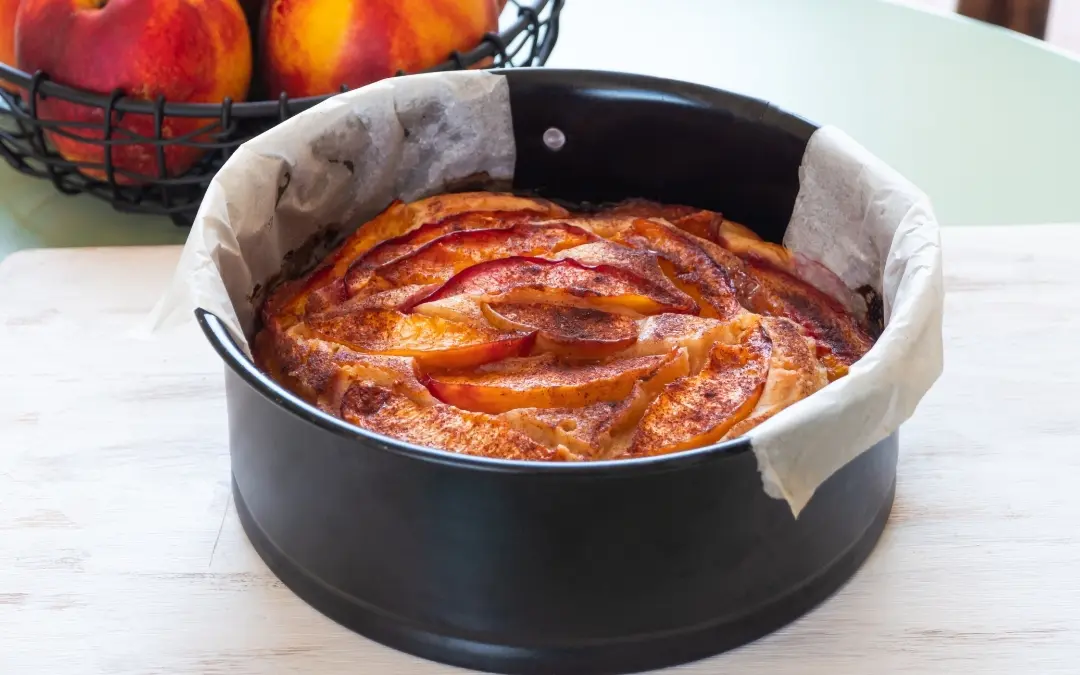
For cakes and sticky batters, greasing helps prevent sticking and makes unmoulding easier. Some bakers also use parchment paper for added protection, especially when baking delicate cakes or brownies.
Silicone moulds generally require less greasing, but lightly oiling them can still improve release and extend the mould’s lifespan. For non-stick moulds, avoid using metal utensils that may scratch the coating over time.
Tips for Using Baking Moulds Properly
Grease When Necessary
Even non-stick moulds can benefit from light greasing or lining with parchment paper, especially for cakes and sticky batters.
Avoid Overfilling
Most moulds should only be filled about two-thirds full to allow room for rising during baking.
Place Moulds on a Baking Tray
Flexible silicone moulds can become unstable when moved. Placing them on a baking tray makes handling easier and helps prevent spills.
Let Bakes Cool Before Removing
Removing baked goods too early can cause breakage. Allow cakes or pastries to cool slightly so they can firm up before unmoulding.
How to Care for Baking Moulds
Proper care helps baking moulds last longer and maintain consistent baking performance.
After baking, allow moulds to cool before washing to avoid sudden temperature changes that may warp certain materials. Non-stick moulds should be cleaned with soft sponges rather than abrasive scrubbers to protect the coating.
Silicone moulds should also be washed thoroughly, as oils can build up over time and affect performance. Storing moulds properly helps prevent dents, scratches, and deformation that may impact future bakes.
Common Mistakes to Avoid
Some common baking mould mistakes include:
- Using the wrong mould size
- Baking at incorrect temperatures for the material
- Forgetting to grease the mould
- Removing baked goods too quickly
- Using damaged or warped moulds
Small adjustments can make a big difference in the final result.
Choosing Quality Baking Moulds
Using quality baking tools can improve both baking consistency and ease of use. Durable moulds with good heat distribution help reduce uneven baking and are easier to maintain over time.
At Bake With Yen, you can explore a variety of baking moulds and baking essentials suitable for cakes, pastries, desserts, and everyday baking needs.
Final Thoughts
Choosing the right baking mould is an important part of successful baking. The material, size, and shape of your mould all affect how your baked goods turn out, from texture and browning to structure and presentation.
By understanding how different baking moulds work and using them properly, you can achieve more consistent results and make baking easier and more enjoyable.