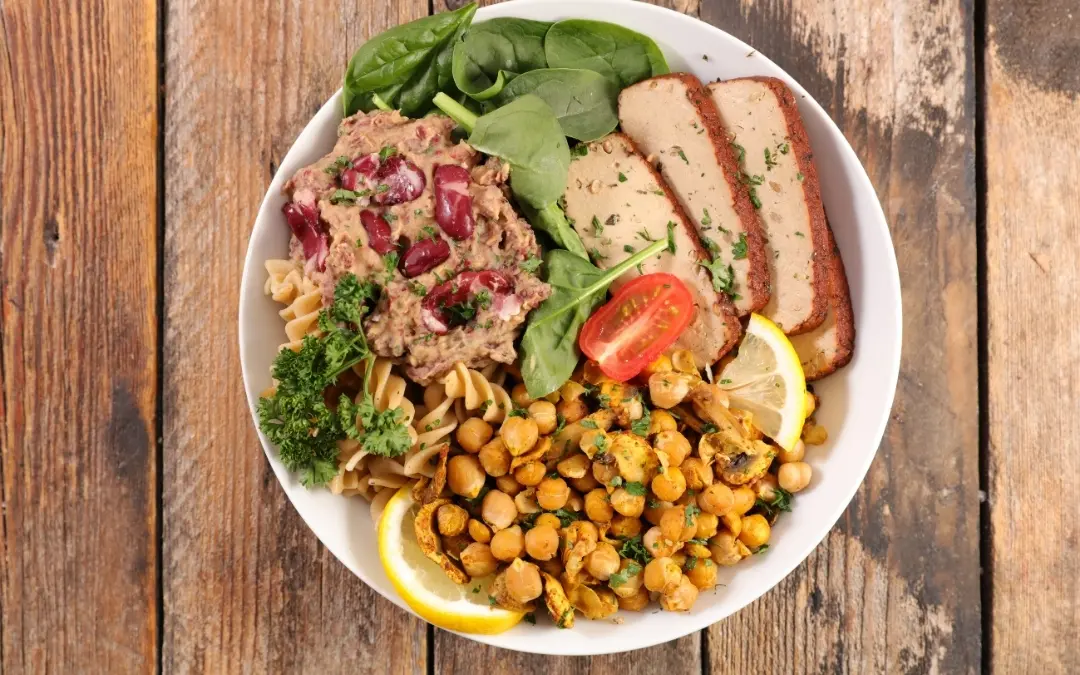
Whether you're looking to eat healthier, improve your nutrition, or simply create more satisfying meals, understanding how to build a balanced plate is an important first step.
Many people focus on a single aspect of healthy eating, such as increasing vegetables or reducing calories, but a truly balanced meal consists of several key components working together. By combining protein, carbohydrates, healthy fats, vegetables, and flavourful seasonings, you can create meals that are nutritious, filling, and enjoyable.
This guide covers the essential building blocks of a balanced meal, and practical ways to incorporate them into your everyday cooking.
Why Balance Matters in Meals
A common misconception is that a healthy meal consists mainly of vegetables. While vegetables are important, a balanced meal should also include protein, carbohydrates, healthy fats, and fibre.
Including a variety of food groups helps:
- Support energy levels throughout the day
- Promote satiety and reduce unnecessary snacking
- Provide essential nutrients for overall wellbeing
- Create more enjoyable and satisfying meals
The key is to combine ingredients that complement one another, rather than relying on a single food source.
1. Start with a Good Source of Protein
Protein plays an important role in maintaining muscle, supporting recovery, and helping you feel full after meals.
Protein can come from a variety of sources, including:
- Dairy products
- Lean meats or seafood
- Tofu
- Beans and legumes
- Lentils
- Chickpeas
- Nuts and seeds
- Plant-based protein alternatives
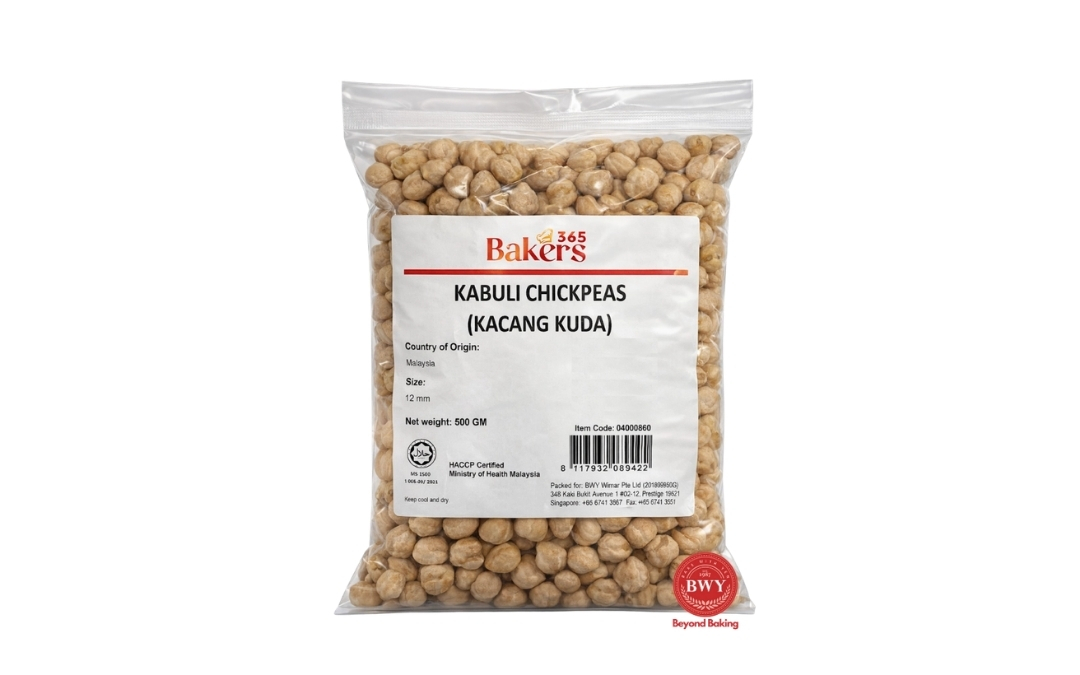
For those looking for convenient pantry-friendly options, legumes are an excellent choice.
For example, Kabuli Chickpeas are naturally high in protein, dietary fibre, and essential nutrients, making them a versatile ingredient for creating more balanced and satisfying meals. They can be added to salads, curries, grain bowls, soups, or blended into homemade dips.
2. Add Quality Carbohydrates
Carbohydrates provide the energy needed for daily activities and help form the foundation of many balanced meals.
Popular options include:
- Rice
- Pasta
- Whole grains
- Oats
- Potatoes
- Bread
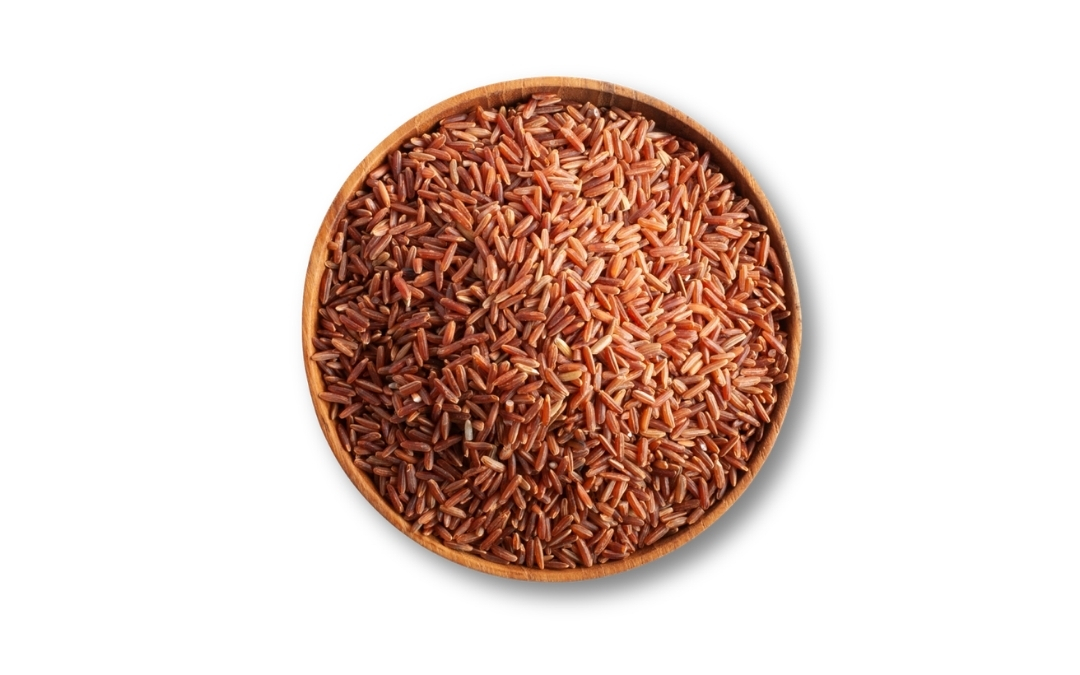
For example, a simple rice bowl paired with vegetables and a protein source can make a complete and satisfying meal.
Known for its reddish bran layer, natural nutrients, and slightly nutty flavour, Arawana Red Cargo Rice is a great option for those looking to incorporate wholegrain carbohydrates into their everyday meals.
3. Include Plenty of Vegetables
Vegetables provide fibre, vitamins, minerals, and colour to your meals. Including a variety of vegetables helps improve both nutrition and flavour.
Try to incorporate different colours where possible:
- Green vegetables for fibre and nutrients
- Orange and yellow vegetables for natural sweetness
- Red vegetables for added antioxidants
Fresh, frozen, and canned vegetables can all contribute to a balanced meal.
For example, YEN's Frozen Cauliflower is a convenient pantry staple that makes it easier to add vegetables to everyday meals without extensive preparation. It can be roasted, stir-fried, added to soups, or used as part of a nutritious side dish.

4. Don't Forget Healthy Fats
Healthy fats help improve satiety and contribute to the absorption of certain vitamins.
Good sources include:
- Avocados
- Nuts
- Seeds
- Nut butters
- Olive oil
- Sesame oil
Adding a small amount of healthy fat can make meals more satisfying and flavourful.
For those looking for a cooking oil suitable for everyday use, Arawana Golden Ratio Blended Vegetable Oil offers a balanced blend of vegetable oils that can be incorporated into a variety of home-cooked meals.

5. Use Sauces and Seasonings to Build Flavour
One reason some healthy meals feel less satisfying is a lack of seasoning. Flavour plays a huge role in creating enjoyable meals.
Consider incorporating:
- Soy sauce
- Mushroom seasoning
- Curry pastes
- Tomato-based sauces
- Herbs and spices
- Vinegars and citrus
These ingredients help add depth, complexity, and variety to dishes.
For example, Arawana Superior Dark Soy Sauce can be used to add colour and depth to stir-fries, braised dishes, marinades, and sauces, helping create richer and more flavourful meals.

Simple Formula for a Balanced Meal
If you're unsure where to start, use this simple formula:
Protein + Carbohydrate + Vegetables + Healthy Fat + Flavouring
For example:
- Rice + Protein Source + Stir-fried Vegetables + Sesame Oil + Soy Sauce
- Pasta + Mushrooms + Tomato Sauce + Olive Oil
- Oats + Nuts + Fruit + Nut Butter
Following this structure makes meal planning much easier.
Convenient Ingredients Can Make Healthy Eating Easier
Preparing balanced meals from scratch can be rewarding, but it is not always practical on busy days.
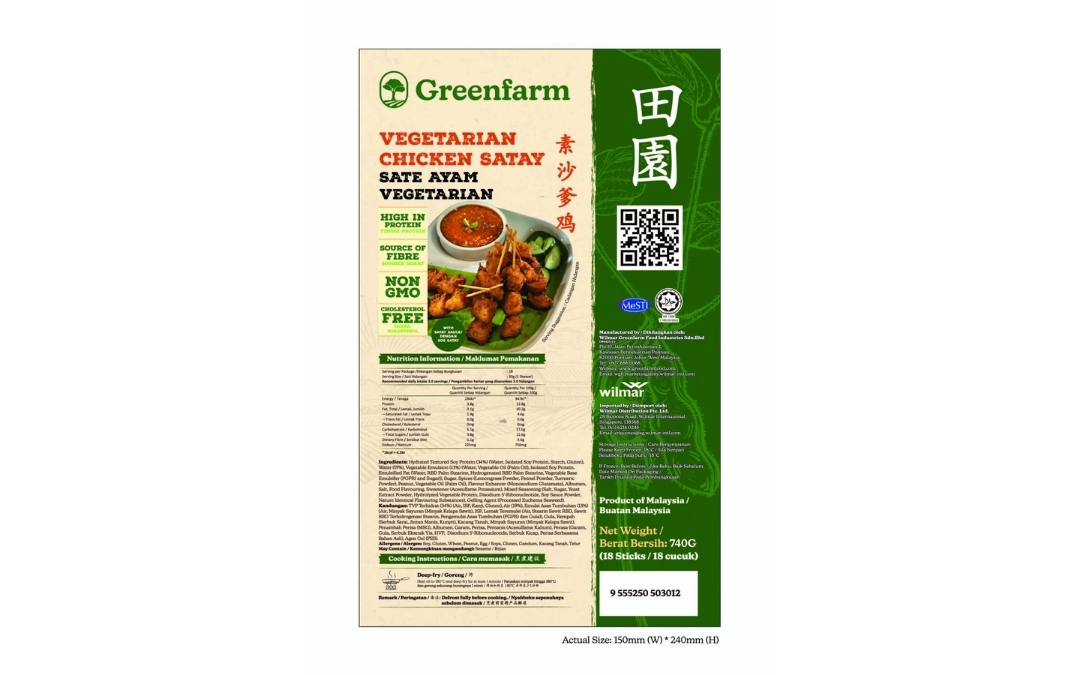
Convenient ready-to-cook ingredients can help simplify meal preparation while still supporting a balanced diet. They can be paired with grains, vegetables, and sauces to create satisfying meals with minimal effort.
For example, Greenfarm Vegetarian Chicken Satay provides a convenient protein option that can be served alongside rice, vegetables, or salads for a quick and flavourful meal.
Common Mistakes to Avoid
Focusing Only on Vegetables
Vegetables are important, but they should be paired with protein and carbohydrates for a more balanced meal.
Not Getting Enough Protein
A meal made up solely of vegetables may not provide lasting satiety. Include a protein source whenever possible.
Overlooking Flavour
Seasonings, sauces, and herbs can significantly improve the enjoyment of healthy meals.
Relying on the Same Ingredients
Eating a wider variety of ingredients helps ensure better nutrition and prevents meals from becoming repetitive.
Building Better Meals at Home
The best meals combine nutrition, flavour, and convenience. By including a protein source, quality carbohydrates, vegetables, healthy fats, and flavourful seasonings, you can create meals that are both balanced and satisfying.
At Bake With Yen, you can find a wide range of pantry staples, cooking ingredients, grains, sauces, seasonings, and convenient food products to support your healthy eating goals.
Final Thoughts
Building a balanced and nutritious meal does not require complicated recipes or specialised ingredients. With a few simple principles, you can create meals that are filling, flavourful, and enjoyable.
Whether you're preparing meals from scratch or using convenient ready-to-cook ingredients, focusing on balance can help you create healthier, more satisfying meals every day. Start with the basics, experiment with different ingredients, and discover combinations that work best for your taste and lifestyle.