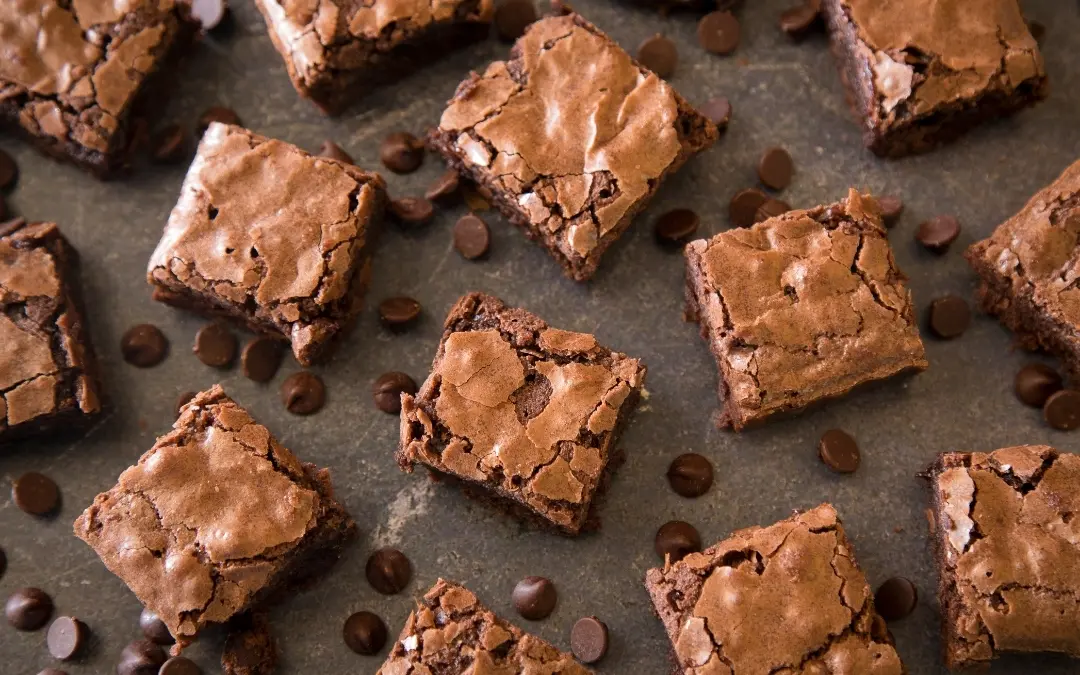
Few things satisfy like a perfect brownie — crisp at the edges, yet soft, moist, and fudgy in the centre. But striking that balance is often tricky. Many home bakers find the edges have turned too hard or dry by the time the middle is just right.
The good news? With the right techniques, it’s entirely possible to bake brownies that deliver both delightful crisp edges and a tender interior.
Here’s a guide on how to achieve it, whether you’re baking for a crowd or simply indulging in a weekend treat.
What Causes Edges to Overcook?
Before diving into solutions, it helps to understand why brownie edges sometimes overbake.
Heat Distribution
Oven heat reaches the sides of the pan more directly than the centre, which means the edges naturally bake faster.
Pan Material & Colour
- Dark metal pans absorb and retain more heat, leading to faster browning at the edges.
- Glass pans hold heat for longer, which can cause edges to keep cooking even after being removed from the oven.
- Light-coloured or aluminium pans reflect heat better, offering a more even bake.
Batter Consistency
Thicker batters tend to bake more evenly across the pan. Runny or thin batters can exaggerate the difference between centre and edges, making it harder to keep consistency.
Perfect Baking Temperature & Time
Optimal Temperatures
- 325–350°F (160–175°C) is typically the sweet spot for brownies.
- Baking at lower temperatures allows the centre to catch up before the edges overbake.
Timing is Key
- Always follow recipe guidelines, but keep in mind ovens vary.
- Start checking brownies 5 minutes before the shortest suggested bake time.
- A toothpick inserted near the centre should come out with a few moist crumbs — not wet batter, and not bone dry.
Pro tip: Slight underbaking is better than overbaking. Brownies continue to cook slightly from residual heat after leaving the oven.
Choosing the Right Pan & Preparation
The pan plays a bigger role than most bakers realise.
- Metal pans (light-coloured): Best for even heat and consistent results.
- Glass pans: Can cause overcooked edges; if using, reduce oven temperature by 25°F (about 15°C).
- Ceramic pans: Retain heat, good for serving, but less predictable in bake time.
Always:
- Line the pan with parchment paper to prevent sticking and allow easy removal.
- Grease lightly for extra crispness around the edges.
Ingredient & Batter Adjustments
The way ingredients are mixed and balanced also affects texture.
Avoid Overmixing
Stirring the batter too vigorously develops gluten, which can make the edges tough. Mix just until combined.
Add Moisture-Rich Elements
- Butter and chocolate provide richness and help retain softness.
- An extra egg yolk can boost fudginess.
- A spoonful of sour cream or yoghurt adds moisture and prevents over-dry edges.
Sugar & Fat Balance
Sugar caramelises at the edges, giving that desirable crispness. But too much sugar without enough fat can make edges brittle. Aim for a balance, where fat keeps the centre moist, while sugar forms a light crust.
Baking Techniques & Hacks
Sometimes small adjustments in technique make the biggest difference.
- Rotate the pan halfway through baking to avoid hot spots.
- Tent the edges with foil if they brown too quickly, while the centre is still soft.
- Use a water bath (place the brownie pan inside a larger tray filled with a shallow layer of water). This buffers heat and slows down edge overcooking.
Cooling & Removal
What happens after baking is just as important.
- Transfer the pan to a wire rack immediately after removing from the oven. This stops the bottom and sides from cooking further.
- Let brownies rest for at least 20–30 minutes before cutting. This helps the centre firm up without drying the edges.
FAQs – What Home Bakers Often Ask
Q: What’s the best temperature for crisp edges but soft centres?
Around 325–350°F (160–175°C) — it allows edges to set without over-drying before the middle bakes through.
Q: Can I get crisp edges using a glass pan?
Yes, but lower the temperature by about 25°F (15°C) and check earlier, as glass retains heat longer.
Q: Should fudgy brownies have crisp edges?
They can. Fudgy brownies often still develop a light crust at the edges, but careful timing is essential to avoid overbaking.
Q: My brownies always stick to the sides. How do I fix this?
Use parchment paper as a liner, and grease the pan lightly. This also helps edges release cleanly while staying crisp.
Common Mistakes to Avoid
- Using the wrong pan (very dark pans or thick glass pans without adjusting temperature).
- Baking too long or ignoring carry-over cooking after removing from the oven.
- Overmixing the batter leads to tough edges.
- Not allowing proper cooling, which can leave centres under-set while edges dry out.
Takeaway
Achieving perfect brownies with crisp edges and soft centres is less about luck and more about technique. By paying attention to pan choice, oven temperature, ingredient balance, and post-baking care, home bakers can consistently enjoy brownies that deliver the best of both worlds.
For your next bake, try lowering the oven temperature slightly, checking for doneness early, and letting the brownies rest before slicing. You’ll be rewarded with edges that crunch just right and a centre that melts in every bite.
Shop at Bake With Yen
Bring your brownie game to the next level with the right baking ingredient.
From rich cocoa powder and quality butter to premium flours and chocolates, Bake With Yen has everything you need to achieve crisp edges and fudgy centres in every batch.