Baking powder is one of those pantry staples that many bakers take for granted. You whip up a cake, cookies, or muffins—and a spoonful of baking powder helps make them light, fluffy, and airy. But what if your baking powder is old or degraded? Could it fail to do its job?
Today, we’ll explore whether baking powder expires, how to test its potency, tips for storing it right, and what to do if yours has lost its “pep.”
What Is Baking Powder & Why It Matters in Baking
Baking powder is a chemical leavening agent—a mixture typically made of sodium bicarbonate (baking soda), one or more acid salts (such as cream of tartar), and a moisture-absorbing component like cornstarch. Its job is to release gas (carbon dioxide) when it comes into contact with liquid (and sometimes heat), which causes the dough or batter to rise.
Because it plays such a pivotal role in texture, knowing whether your baking powder still works is essential. If it's past its prime, your baked goods may turn out dense, flat, or uneven.
Does Baking Powder Expire?
Yes — baking powder does lose effectiveness over time. It doesn't expire in the sense of becoming dangerous (unless contaminated), but its leavening power gradually degrades.
- Once opened, common advice is to use your baking powder within six months for optimal performance.
- An unopened container, stored under ideal conditions, may maintain potency for longer — in some cases up to 12 months or more, depending on the formulation and packaging.
Because baking powder reacts to moisture, heat, and humidity, its shelf life depends heavily on storage conditions (more on that below).
How to Test If Your Baking Powder Is Still Active
Before risking a cake or batch of muffins with old leavening, you can test whether your baking powder still “works.” Here’s a simple method:
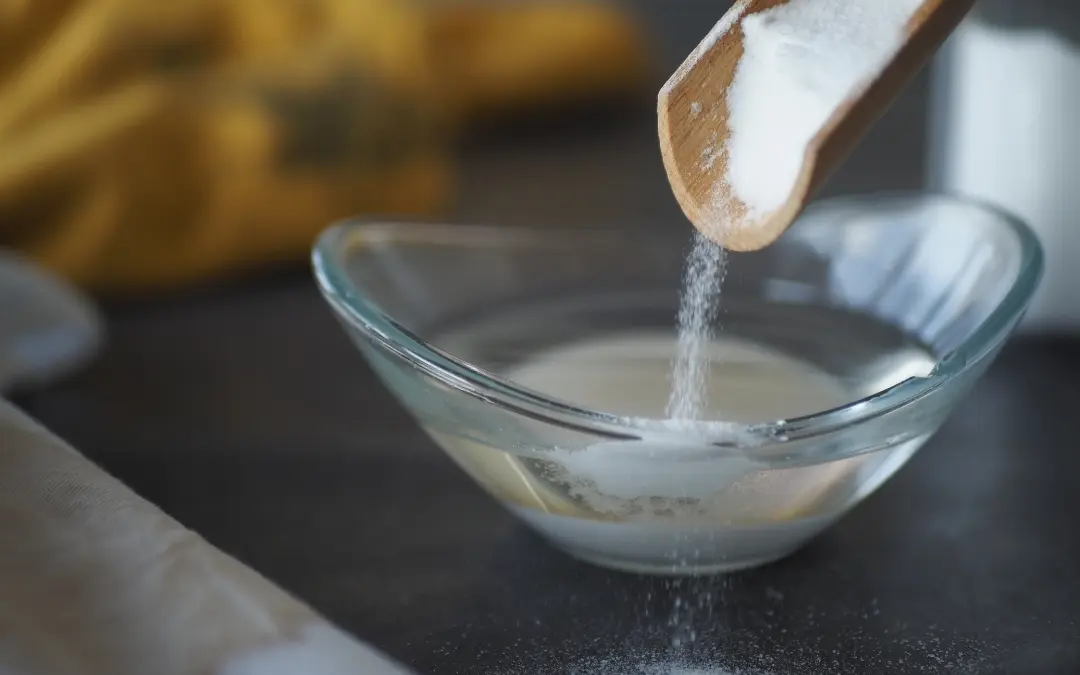
- Measure about ½ teaspoon of your baking powder into a small bowl.
- Add ¼ cup (≈ 60 ml) of boiling water.
- Observe — if it bubbles vigorously (lots of fizz), your baking powder is still alive and should be effective.
- If the fizz is faint or non-existent, your baking powder has lost too much potency and should be replaced.
This kind of “hot water test” is widely used among bakers as a quick check. Even if your powder hasn’t yet hit the expiry date printed on the can, it may fade in effectiveness over time — especially in humid climates.
Why Baking Powder Loses Potency
Here are the main culprits behind why baking powder degrades:
- Moisture ingress: Exposure to humidity or damp air can trigger partial reactions inside the container, reducing the amount of “active” powder remaining.
- Heat: High temperatures accelerate chemical breakdown.
- Air and oxygen: Repeated opening and exposure to air can gradually weaken the mix.
- Poor sealing: A container that doesn't close tightly or is damaged lets moisture and air in.
Because of these factors, even a can of baking powder that’s only a few months old may underperform if stored poorly.
Best Practices for Storing Baking Powder
To preserve potency as long as possible, follow these storage tips:
- Keep it airtight: Use its original container (if it's well-sealed) or transfer to a clean, dry, airtight jar.
- Store in a cool, dry place: A pantry or cabinet away from the oven, stove, or steam sources is ideal.
- Avoid moisture and steam: Don’t store it above the stovetop or near the sink where steam or humidity can reach it.
- Use dry measuring utensils: Always scoop with a dry spoon — any moisture can prematurely activate the powder inside the container.
- Keep away from strong odours: Baking powder can absorb odours from surrounding items if exposed.
- Label with “Open date”: When you first open a new container, jot down the date. It helps you track how long it’s been in use.
By following these guidelines, you’ll slow the decline of your baking powder’s capability.
What Happens If You Use Weak Baking Powder?
Using baking powder that has lost potency doesn’t usually make the food unsafe — but it will affect results:
- Reduced rise: Cakes, muffins, or pancakes won’t puff up properly.
- Dense texture: The crumb may be tighter, heavier, or gummy.
- Uneven structure: You might see tunnels, collapse, or uneven height in baked goods.
In other words, your batter will essentially behave as if it had too little leavening — underperforming in rise and texture.
When to Toss & Replace
- If your hot water test shows weak or no bubbling, it’s time to toss the baking powder.
- If it’s more than 6 months since opening, and particularly in humid or warm settings, consider replacing even if it seems okay.
- Always err on the side of freshness for sensitive bakes (birthday cakes, delicate sponges) where proper rise is critical.
Given the low cost of baking powder, using fresh, active powder is a smart move for reliable baking outcomes.
Tips for Home Bakers (Especially in Singapore’s Climate)
Because Singapore is humid and warm year-round, your pantry practices matter more than ever:
- Store your baking powder in the coolest, driest corner of a cupboard — not above the stove or near the sink.
- Buy smaller cans if you don’t bake often, so the powder doesn’t sit unused for long.
- Use airtight containers (glass or high-quality plastic) to block moisture.
- Avoid storing baking powder in the fridge or freezer — condensation when opening can introduce moisture inside.
With a little care, you can extend its life and avoid disappointing baking results.
Takeaway
Baking powder isn’t immortal — it quietly weakens over time. But with the right storage and a simple “fizz test,” you can always know whether yours is up to the job.
For your next cake, muffin, or cookie batch:
- Test your powder if it’s been sitting a while.
- Replace it if fizz is weak.
- Store the new container correctly from Day 1.
Whether you're baking a plain butter cake or experimenting with a more adventurous recipe, keeping your leavening fresh ensures your creations rise and delight.
Shop at Bake With Yen
At Bake With Yen, we believe that great baking begins with great baking ingredients.
Stock up on trusted essentials and premium-quality products that help your recipes rise, shine, and impress every time. Explore our full range online today!
Does Baking Powder Expire? How to Test & Store It Properly
Baking powder is one of those pantry staples that many bakers take for granted. You whip up a cake, cookies, or muffins—and a spoonful of baking powder helps make them light, fluffy, and airy. But what if your baking powder is old or degraded? Could it fail to do its job?
Today, we’ll explore whether baking powder expires, how to test its potency, tips for storing it right, and what to do if yours has lost its “pep.”
What Is Baking Powder & Why It Matters in Baking
Baking powder is a chemical leavening agent—a mixture typically made of sodium bicarbonate (baking soda), one or more acid salts (such as cream of tartar), and a moisture-absorbing component like cornstarch. Its job is to release gas (carbon dioxide) when it comes into contact with liquid (and sometimes heat), which causes the dough or batter to rise.
Because it plays such a pivotal role in texture, knowing whether your baking powder still works is essential. If it's past its prime, your baked goods may turn out dense, flat, or uneven.
Does Baking Powder Expire?
Yes — baking powder does lose effectiveness over time. It doesn't expire in the sense of becoming dangerous (unless contaminated), but its leavening power gradually degrades.
- Once opened, common advice is to use your baking powder within six months for optimal performance.
- An unopened container, stored under ideal conditions, may maintain potency for longer — in some cases up to 12 months or more, depending on the formulation and packaging.
Because baking powder reacts to moisture, heat, and humidity, its shelf life depends heavily on storage conditions (more on that below).
How to Test If Your Baking Powder Is Still Active
Before risking a cake or batch of muffins with old leavening, you can test whether your baking powder still “works.” Here’s a simple method:
- Measure about ½ teaspoon of your baking powder into a small bowl.
- Add ¼ cup (≈ 60 ml) of boiling water.
- Observe — if it bubbles vigorously (lots of fizz), your baking powder is still alive and should be effective.
- If the fizz is faint or non-existent, your baking powder has lost too much potency and should be replaced.
This kind of “hot water test” is widely used among bakers as a quick check. Even if your powder hasn’t yet hit the expiry date printed on the can, it may fade in effectiveness over time — especially in humid climates.
Why Baking Powder Loses Potency
Here are the main culprits behind why baking powder degrades:
- Moisture ingress: Exposure to humidity or damp air can trigger partial reactions inside the container, reducing the amount of “active” powder remaining.
- Heat: High temperatures accelerate chemical breakdown.
- Air and oxygen: Repeated opening and exposure to air can gradually weaken the mix.
- Poor sealing: A container that doesn't close tightly or is damaged lets moisture and air in.
Because of these factors, even a can of baking powder that’s only a few months old may underperform if stored poorly.
Best Practices for Storing Baking Powder
To preserve potency as long as possible, follow these storage tips:
- Keep it airtight: Use its original container (if it's well-sealed) or transfer to a clean, dry, airtight jar.
- Store in a cool, dry place: A pantry or cabinet away from the oven, stove, or steam sources is ideal.
- Avoid moisture and steam: Don’t store it above the stovetop or near the sink where steam or humidity can reach it.
- Use dry measuring utensils: Always scoop with a dry spoon — any moisture can prematurely activate the powder inside the container.
- Keep away from strong odours: Baking powder can absorb odours from surrounding items if exposed.
- Label with “Open date”: When you first open a new container, jot down the date. It helps you track how long it’s been in use.
By following these guidelines, you’ll slow the decline of your baking powder’s capability.
What Happens If You Use Weak Baking Powder?
Using baking powder that has lost potency doesn’t usually make the food unsafe — but it will affect results:
- Reduced rise: Cakes, muffins, or pancakes won’t puff up properly.
- Dense texture: The crumb may be tighter, heavier, or gummy.
- Uneven structure: You might see tunnels, collapse, or uneven height in baked goods.
In other words, your batter will essentially behave as if it had too little leavening — underperforming in rise and texture.
When to Toss & Replace
- If your hot water test shows weak or no bubbling, it’s time to toss the baking powder.
- If it’s more than 6 months since opening, and particularly in humid or warm settings, consider replacing even if it seems okay.
- Always err on the side of freshness for sensitive bakes (birthday cakes, delicate sponges) where proper rise is critical.
Given the low cost of baking powder, using fresh, active powder is a smart move for reliable baking outcomes.
Tips for Home Bakers (Especially in Singapore’s Climate)
Because Singapore is humid and warm year-round, your pantry practices matter more than ever:
- Store your baking powder in the coolest, driest corner of a cupboard — not above the stove or near the sink.
- Buy smaller cans if you don’t bake often, so the powder doesn’t sit unused for long.
- Use airtight containers (glass or high-quality plastic) to block moisture.
- Avoid storing baking powder in the fridge or freezer — condensation when opening can introduce moisture inside.
With a little care, you can extend its life and avoid disappointing baking results.
Takeaway
Baking powder isn’t immortal — it quietly weakens over time. But with the right storage and a simple “fizz test,” you can always know whether yours is up to the job.
For your next cake, muffin, or cookie batch:
- Test your powder if it’s been sitting a while.
- Replace it if fizz is weak.
- Store the new container correctly from Day 1.
Whether you're baking a plain butter cake or experimenting with a more adventurous recipe, keeping your leavening and baking ingredients fresh ensures your creations rise and delight.
Happy baking — and may all your cakes be light, airy, and flawless!