When it comes to baking tools, a pastry brush may seem small — but it can make a big difference in your results. From giving pies that golden glaze to greasing pans and brushing off excess flour, this humble tool is a baker’s secret weapon.
But not all pastry brushes are created equal. Today, you’ll find two main types on the market: natural-bristle brushes and silicone brushes. Each has its strengths (and a few drawbacks), depending on what you’re baking.
If you’ve ever wondered which one to use — or whether you need both — here’s everything you need to know about natural vs. silicone pastry brushes, and how to choose the right one for your kitchen.
What Is a Pastry Brush, and Why Do Bakers Love It?
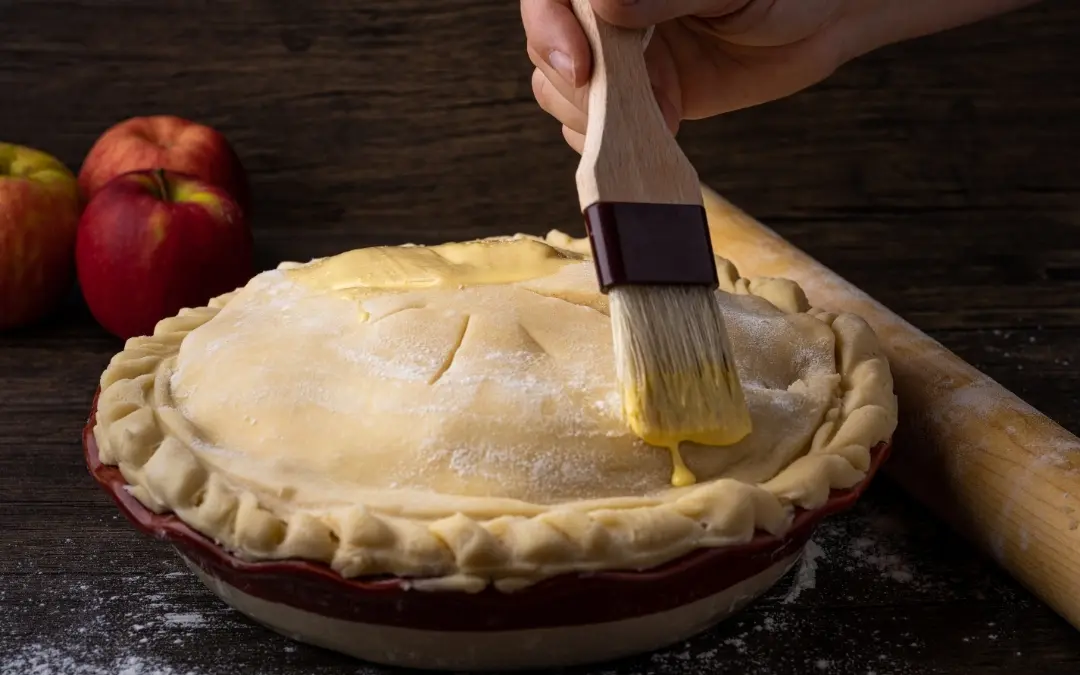
A pastry brush (also known as a basting brush) is a small, handheld tool used to spread liquids — such as melted butter, egg wash, oil, syrup, or glaze — onto food or baking surfaces.
It’s one of those baking accessories you might not think about until you really need it. The right brush helps you:
- Apply egg wash evenly for golden, glossy pastries
- Butter baking pans or layers of dough precisely
- Glaze tarts and buns beautifully, without deflating them
- Brush off excess flour or crumbs from dough
In short, a good pastry brush gives you control and finesse that a spoon or paper towel just can’t match.
Natural-Bristle Pastry Brushes
What They’re Made Of
Natural-bristle brushes are made from animal hair — commonly boar, horse, or goat hair — and are prised for their soft, flexible bristles.
Key Advantages
- Superior absorption: Natural bristles hold liquids exceptionally well, making them perfect for thin coatings of butter, oil, or egg wash.
- Smooth, even application: Their flexibility allows for a light, delicate touch — ideal for laminated pastries like croissants and puff pastry.
- Classic texture: Many professional bakers prefer the “feel” of natural bristles when working with delicate doughs or finishes.
Limitations
- Harder to clean: Because natural bristles are porous, they can trap grease or food particles if not washed thoroughly.
- Can shed: Over time, some brushes may lose bristles, which can be frustrating during fine pastry work.
- Heat-sensitive: They’re not suitable for applying hot liquids or direct contact with heat (such as barbecues or hot pans).
Best Uses for Natural Pastry Brushes
- Applying egg wash on pastries or bread rolls
- Brushing butter between layers of phyllo or puff pastry
- Glazing pies, Danishes, or brioche with syrup
- Dusting flour or crumbs off surfaces gently
If your baking leans toward fine pastries and delicate bakes, a natural-bristle brush remains a classic choice.
Silicone Pastry Brushes
What They’re Made Of
Silicone pastry brushes are made from food-grade silicone, with soft, flexible bristles moulded from heat-resistant material.
Key Advantages
- Easy to clean: Silicone doesn’t absorb liquids, so it washes clean easily — even in the dishwasher.
- Heat resistant: Ideal for basting hot items or applying melted butter straight from the stove.
- Durable: No shedding, fraying, or staining, even after repeated use.
- Hygienic: Non-porous silicone resists bacteria and odour absorption.
Limitations
- Less precise: Silicone bristles don’t hold liquid as well as natural ones, which can lead to uneven application for thin washes.
- Dripping: Because silicone doesn’t absorb, liquid may drip off more easily.
- Heavier touch: The thicker bristles can disturb delicate dough or toppings if not handled carefully.
Best Uses for Silicone Pastry Brushes
- Basting meats, pastries, or vegetables with oil or sauce
- Spreading melted butter or glaze over baked goods
- Applying barbecue or roasting marinades
- Greasing pans or waffle irons with oil
If you love multi-purpose tools and easy cleanup, a silicone pastry brush might be your go-to kitchen helper.
Natural vs. Silicone Pastry Brushes: Quick Comparison
Feature | Natural Bristle | Silicone |
|---|---|---|
Material | Animal hair (boar, goat, horse) | Food-grade silicone |
Liquid absorption | Excellent | Limited |
Application precision | Smooth and even | Slightly less precise |
Ease of cleaning | Harder to clean, not dishwasher-safe | Very easy, dishwasher-safe |
Durability | May shed over time | Long-lasting and sturdy |
Heat resistance | Not suitable for hot liquids | Highly heat-resistant |
Best for | Egg washes, glazes, fine pastries | Hot butter, sauces, pan greasing |
When to Use Each Type
If you bake regularly, owning both types of pastry brushes can actually make sense. Each excels in different situations:
- Choose natural bristles when working with delicate pastries, egg washes, or fine glazes that require smooth, even coverage.
- Choose silicone for high-heat applications, thicker sauces, or quick cleanups.
Think of it like having two whisks — each serves a purpose. In a professional or serious home baker’s kitchen, both are worth the drawer space.
How to Care for Your Pastry Brushes
Proper care extends the lifespan (and hygiene) of your brushes:
- For natural brushes: Wash gently with mild soap and warm water immediately after use. Avoid soaking too long, and air dry completely before storing.
- For silicone brushes: You can wash them in warm, soapy water or place them in the dishwasher.
- Store clean and dry: Keep brushes in a dust-free area, preferably upright or hanging.
Avoid cross-using brushes for sweet and savoury applications to prevent flavor transfer.
Common Baking Uses for Pastry Brushes
Here are a few practical examples where your pastry brush shines:
- Egg washes: Before baking pastries and bread for shine and colour.
- Butter brushing: Between layers of phyllo dough or before baking croissants.
- Glazing: After baking, to coat buns, tarts, or danishes with sugar syrup.
- Greasing pans: Especially muffin tins or cake moulds for even coverage.
- Dusting flour: When rolling dough for pies or cookies.
Whether it’s a delicate puff pastry or a quick banana bread loaf, your pastry brush brings the finishing touch that turns good into great.
Final Thoughts
A pastry brush may not be the flashiest baking tool — but it’s one you’ll reach for again and again.
If you prefer precision and softness, go for a natural-bristle brush. If you value ease, hygiene, and heat resistance, a silicone brush will serve you well. Better yet, keep both handy so you’re ready for any baking project.
Shop at Bake With Yen
Get your hands on quality pastry brushes and all the baking ingredients you need at Bake With Yen.
From butter and flour to moulds and measuring tools, we’ve got everything to help your creations rise, shine, and impress. Shop online today — because every great bake starts with the right tools.