When it comes to baking, choosing the right starch can make a noticeable difference in texture, moisture, and overall finish. Two of the most commonly used options are potato starch and cornstarch. While they may seem interchangeable, they behave very differently in recipes.
So, which one actually gives better texture? The answer depends on what you’re baking and the result you’re aiming for.
What Is the Difference Between Potato Starch and Cornstarch?
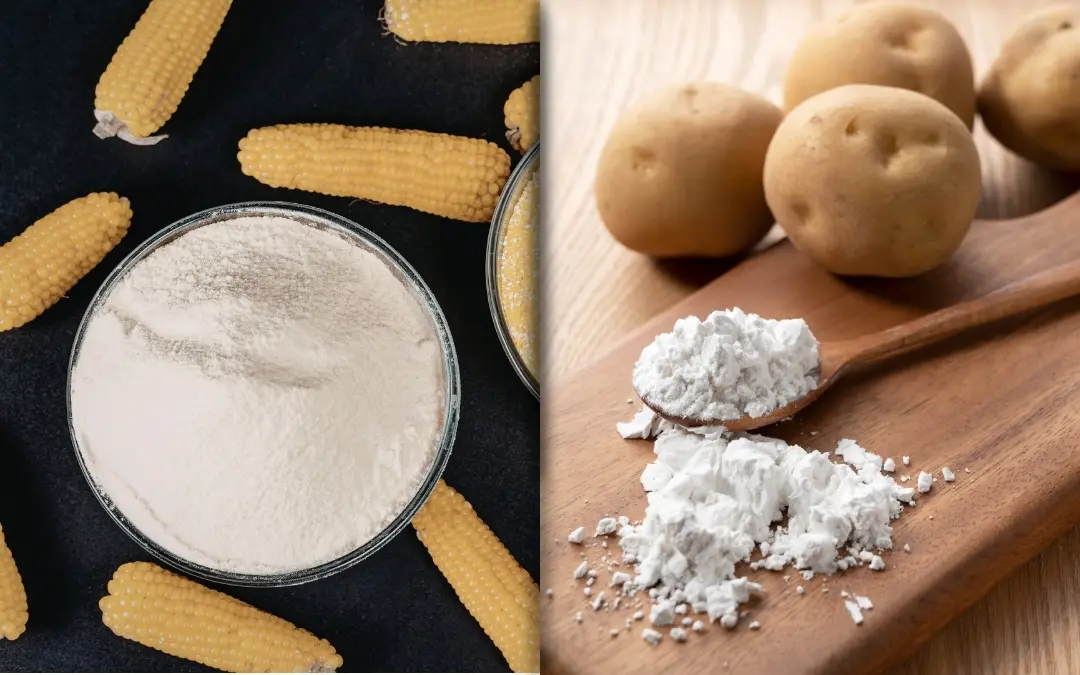
Both are refined starches used to thicken and improve texture, but they come from different sources:
- Potato starch: Extracted from potatoes
- Cornstarch: Derived from corn kernels
These differences affect how they absorb water, respond to heat, and interact with other baking ingredients.
How Each Starch Affects Texture in Baking
Potato Starch: Light, Moist, and Tender
Potato starch is known for creating a soft and delicate texture in baked goods.
Key texture benefits:
- Produces a lighter, fluffier crumb
- Helps retain moisture, keeping bakes soft for longer
- Adds tenderness without making the structure too dense
Because it absorbs more water and swells quickly, potato starch is often used in gluten-free baking to improve softness and prevent dryness.
- Slightly crumbly or fragile structures
- A more open or coarse crumb in cakes
Cornstarch: Smooth, Structured, and Stable
Cornstarch delivers a more refined and stable texture, especially in traditional baking.
Key texture benefits:
- Creates a smooth, uniform crumb
- Adds structure and stability to cakes and pastries
- Produces a glossy, cohesive finish in fillings and custards
It also holds up better under longer baking times, making it ideal for recipes that require sustained heat.
But cornstarch can sometimes:
- Result in a slightly drier texture compared to potato starch
- Become gummy if overused
Side-by-Side Texture Comparison
Texture Factor | Potato Starch | Cornstarch |
|---|---|---|
Crumb softness | Very soft and tender | Moderately soft |
Moisture retention | High (keeps bakes moist longer) | Moderate |
Structure | Light but slightly fragile | Firm and stable |
Finish | Slightly matte or opaque | Smooth and glossy |
Heat tolerance | Best for short baking or added late | Handles longer baking well |
Choosing the Right Starch for Your Baking Needs
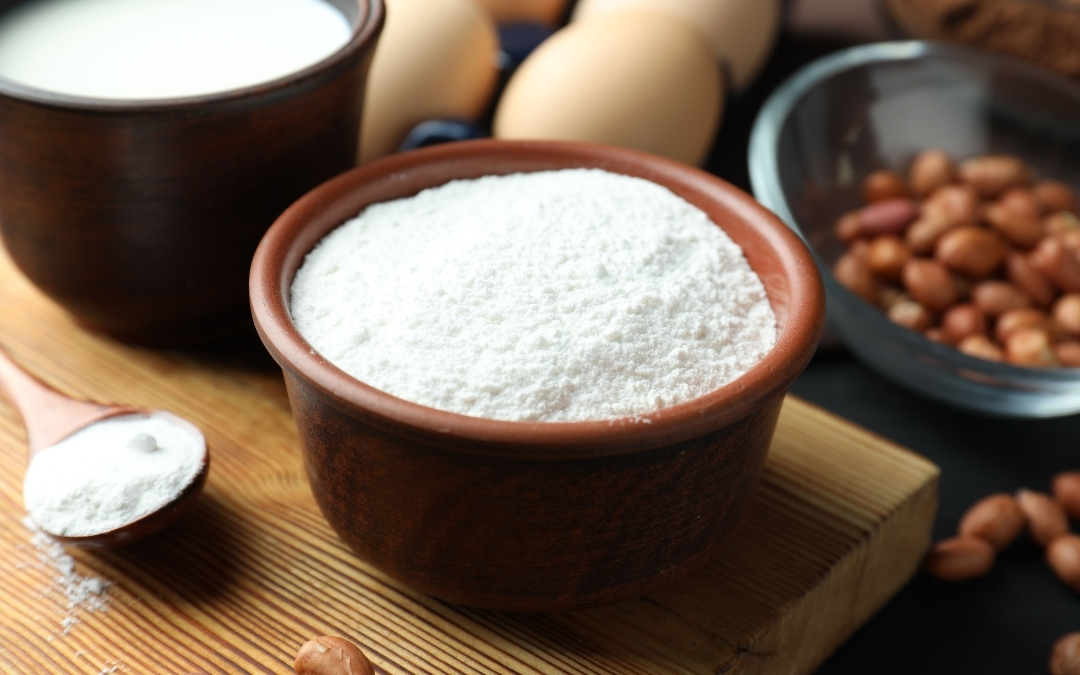
When applying these techniques in your own baking, having access to the right type of starch can make it easier to achieve the desired texture.
Potato starch and cornstarch are both widely available as everyday baking ingredients, and experimenting with different options can help you better understand how each one affects moisture, structure, and overall finish.
Using reliable, good-quality starches ensures more consistent results, especially when adjusting recipes or trying out different baking styles.
Which One Is Better for Different Bakes?
Cakes and Cupcakes
- Best choice: Potato starch (for softness)
- Helps create a lighter, airier crumb
- Often used in chiffon or sponge-style cakes
Cookies
- Best choice: Potato starch (for tenderness)
- Produces softer, melt-in-your-mouth textures
Custards, Fillings, and Pies
- Best choice: Cornstarch
- Provides a smooth, glossy, and stable consistency
Gluten-Free Baking
- Best choice: Potato starch
- Improves moisture and reduces dryness
Breads and Structured Bakes
- Best choice: Cornstarch
- Helps maintain shape and consistency
Can You Substitute One for the Other?
Yes, but with adjustments.
Substitution tips:
- Use 1:1 ratio as a starting point
- Add potato starch towards the end of baking or mixing for best results
- Expect slight differences in texture and appearance
Keep in mind that potato starch thickens faster, while cornstarch requires more heat and time to fully activate.
Pro Tip: Use Both for Balanced Texture
Many professional bakers combine starches to get the best of both worlds.
Example approach:
- Potato starch → softness and moisture
- Cornstarch → structure and stability
This combination helps avoid overly dry or overly fragile baked goods.
Final Verdict: Which Gives Better Texture?
There’s no one-size-fits-all answer:
- Choose potato starch if you want soft, moist, and tender textures
- Choose cornstarch if you need structure, smoothness, and stability
In many recipes, the “better” option depends on the final texture you’re aiming for.
Bake Better with the Right Ingredients
At Bake With Yen, we provide a wide range of baking essentials, including high-quality starches, to help you achieve the perfect texture every time.
Looking to improve your baking results? Visit Bake With Yen to explore our full range and elevate your baking today.