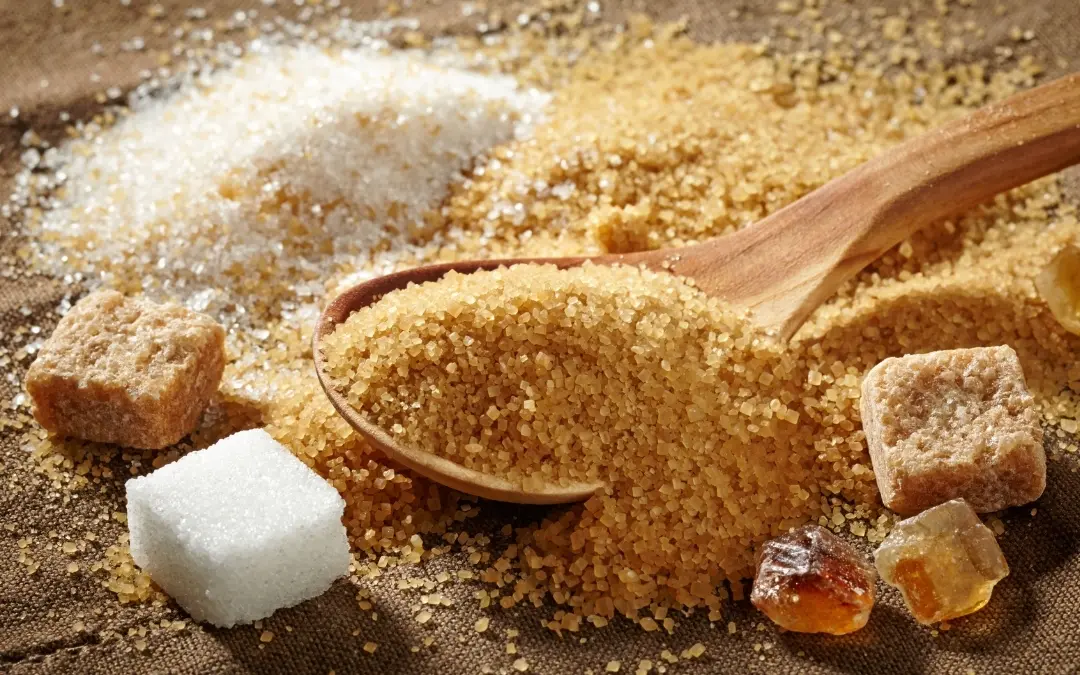
When it comes to baking, sugar does far more than simply add sweetness. The type of sugar you use can influence texture, moisture, colour, and even how your baked goods rise, brown, and set. From everyday white sugar to richer options like brown sugar and Gula Melaka, each variety plays a different role in shaping your final bake.
Understanding these differences can help you achieve more consistent results and better control over flavour and texture in your baking.
Why Sugar Matters in Baking
Sugar is a functional ingredient in baking, not just a sweetener.
It helps retain moisture, improves tenderness, enhances browning through caramelisation, and contributes to structure. In some recipes, it also helps trap air during mixing, which affects the final rise and texture.
Because of this, even small changes in sugar type can noticeably affect your results. A simple recipe can turn out light and airy, or soft and rich, depending on the sugar used.
Common Types of Sugar Used in Baking
White Sugar: Light and Neutral
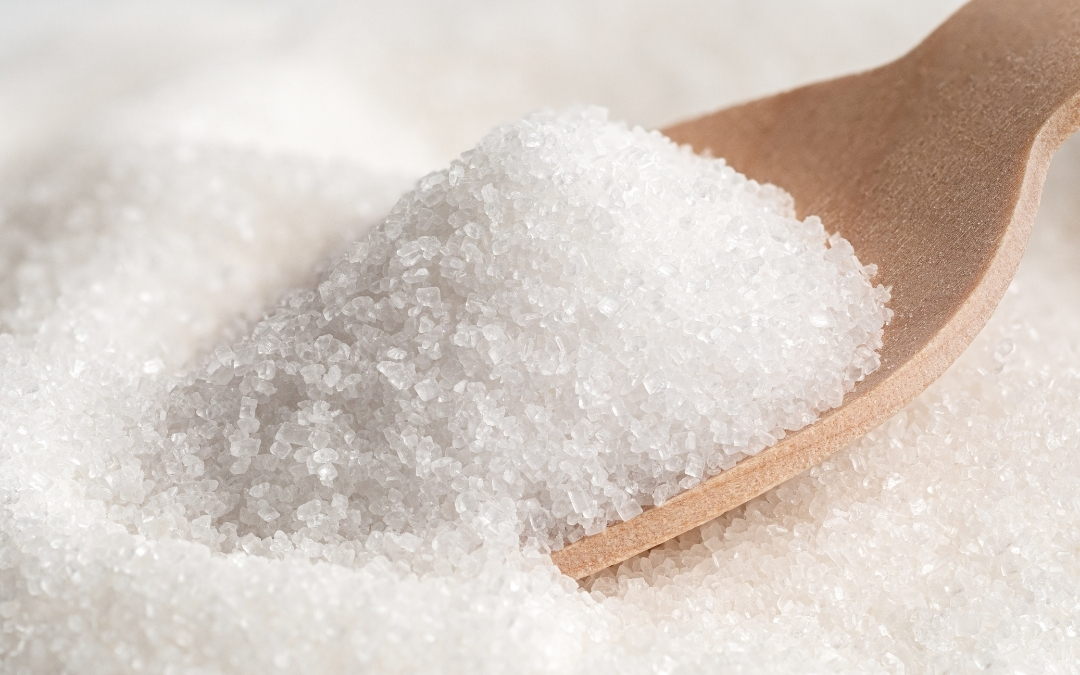
White sugar is the most commonly used sugar in baking. It provides clean sweetness without changing the flavour of other ingredients.
Best for:
- Cakes and cupcakes
- Sponge and chiffon cakes
- Meringues and light desserts
If you’re looking for reliable everyday baking sugar, Mitr Phol Refine White Sugar 10kg is a solid choice.
Made from high-purity cane sugar, it features fine, uniform crystals that dissolve easily, helping you achieve smooth batters and consistent sweetness in your recipes. It’s ideal for cakes, pastries, and general baking, where a clean, neutral flavour and stable structure are essential.
Cane Sugar: Natural and Versatile
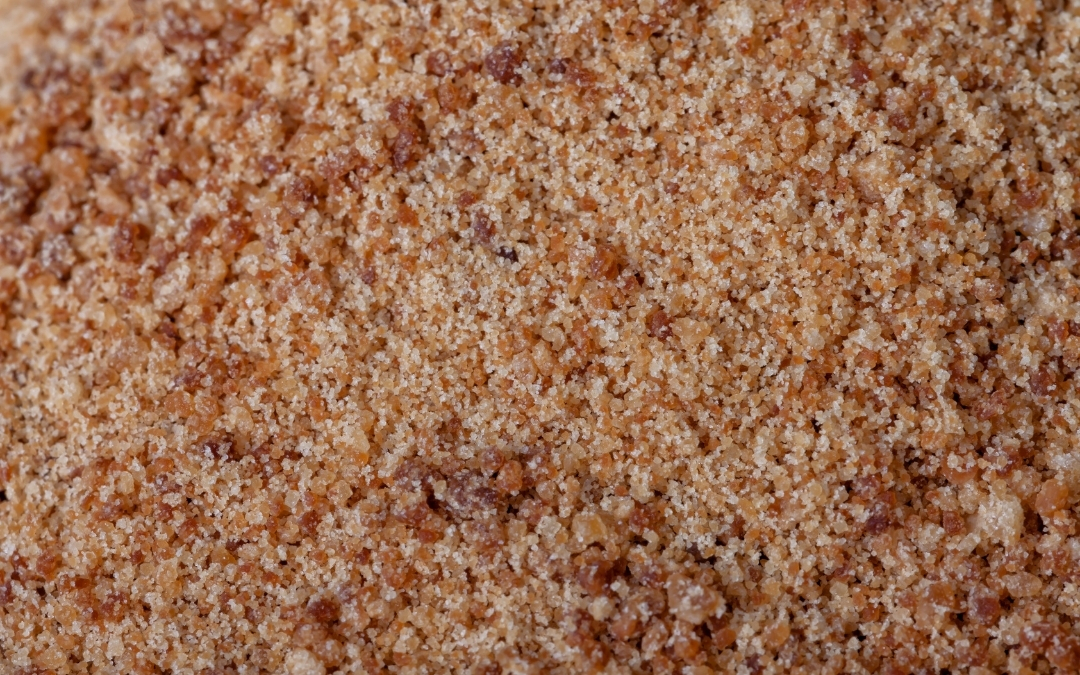
Cane sugar is less refined than white sugar and has a mild natural flavour. It behaves similarly in baking, but adds a slight depth that works well in everyday recipes.
Best for:
- General baking and cooking
- Everyday cakes and pastries
- Recipes needing mild flavour enhancement
If you're looking for a versatile option to elevate your baking and cooking, consider trying Lin Organic Cane Sugar 500g.
Unlike its refined counterparts, this unrefined sugar holds onto its natural molasses, creating a deep, caramel-like flavour that works well in everything from cakes and cookies to morning coffee.
Brown Sugar: Moist and Rich
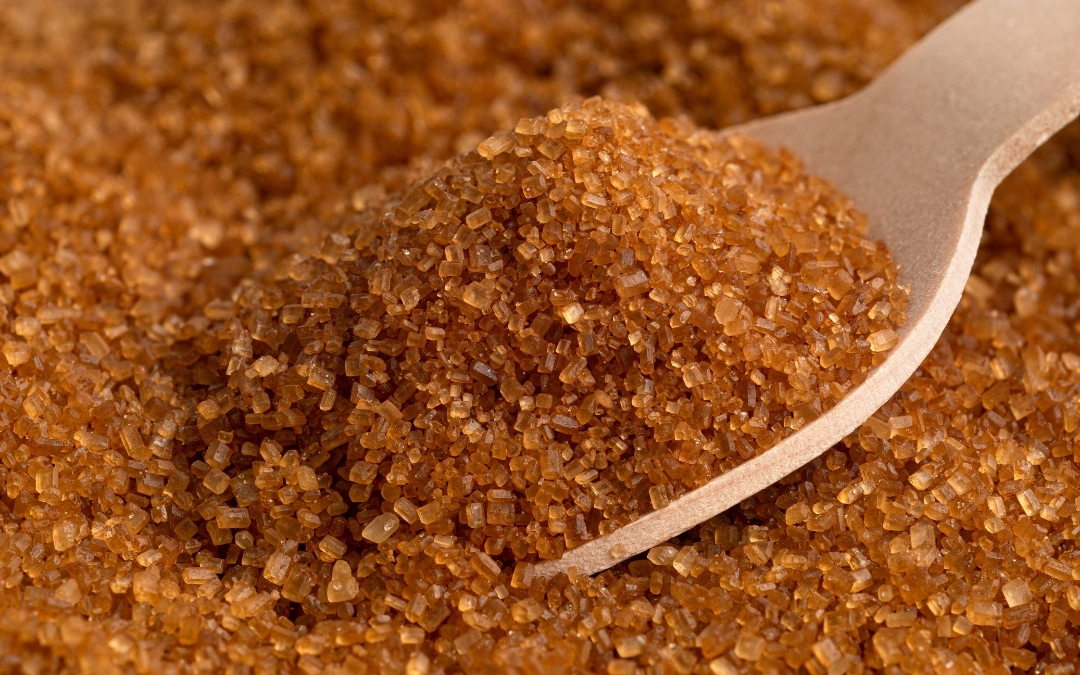
Brown sugar contains molasses, which gives it moisture and a deeper flavour. It helps create softer, more tender baked goods with a slightly chewy texture.
Best for:
- Cookies and brownies
- Muffins and loaf cakes
- Soft and chewy baked goods
A good brown sugar option to consider is Chelsea Soft Brown Sugar 1KG. It has fine, moist crystals that dissolve quickly, and its rich caramel molasses flavor adds depth to baked goods, sauces, and beverages, cafés, and professional kitchens.
You can also opt for Lin Brown Sugar Stick for a more convenient and mess-free option. These individually wrapped brown sugar sticks are great for on-the-go use, perfect for adding to beverages or desserts.
Caramel Sugar: Deep and Complex
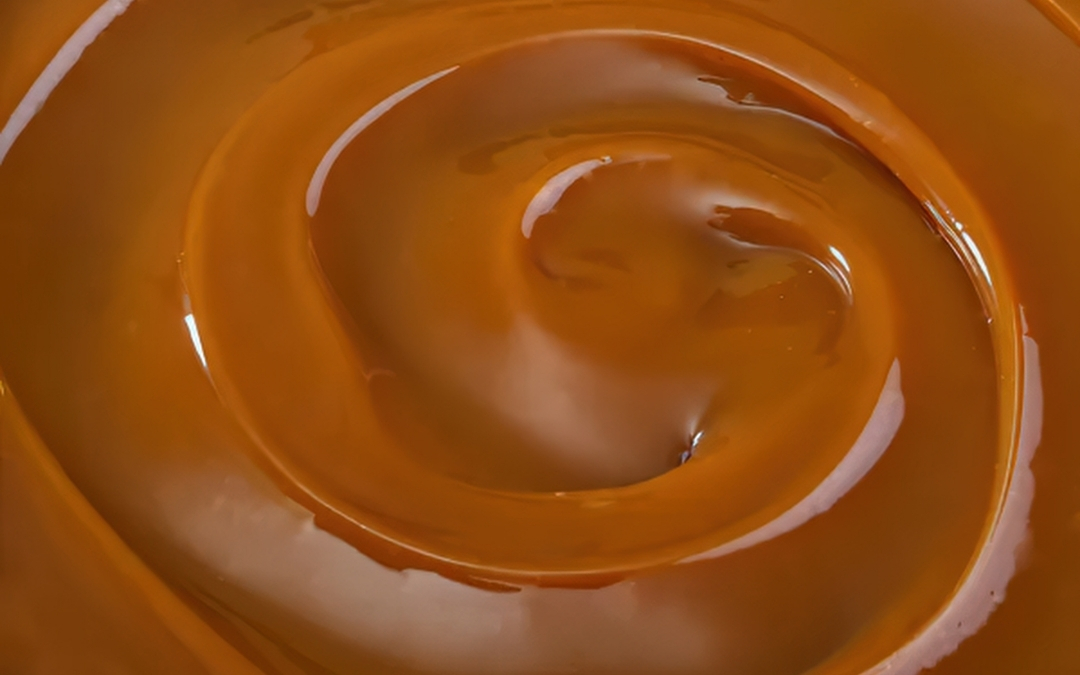
Caramel sugar has a darker colour and stronger flavour profile. It adds depth and slight bitterness, making desserts taste richer and more complex.
Best for:
- Custards and puddings
- Caramel-based desserts
- Rich cakes and sauces
If you’re looking to achieve this deeper flavour in your baking, LIN Caramel Granulated Sugar 1KG is a great choice.
With rich, buttery caramel notes, this granulated sugar dissolves easily into batters, desserts, and beverages. It's a simple way to add depth, colour, and a subtle toffee flavour to your recipes without the hassle of making caramel from scratch.
You can also opt for LIN Caramel Flavoured Syrup 750ml if you prefer a more convenient, ready-to-use option. This syrup delivers a rich, buttery caramel flavour similar to homemade caramel, making it ideal for adding depth to both baked goods and beverages.
Gula Melaka: Aromatic and Distinctive
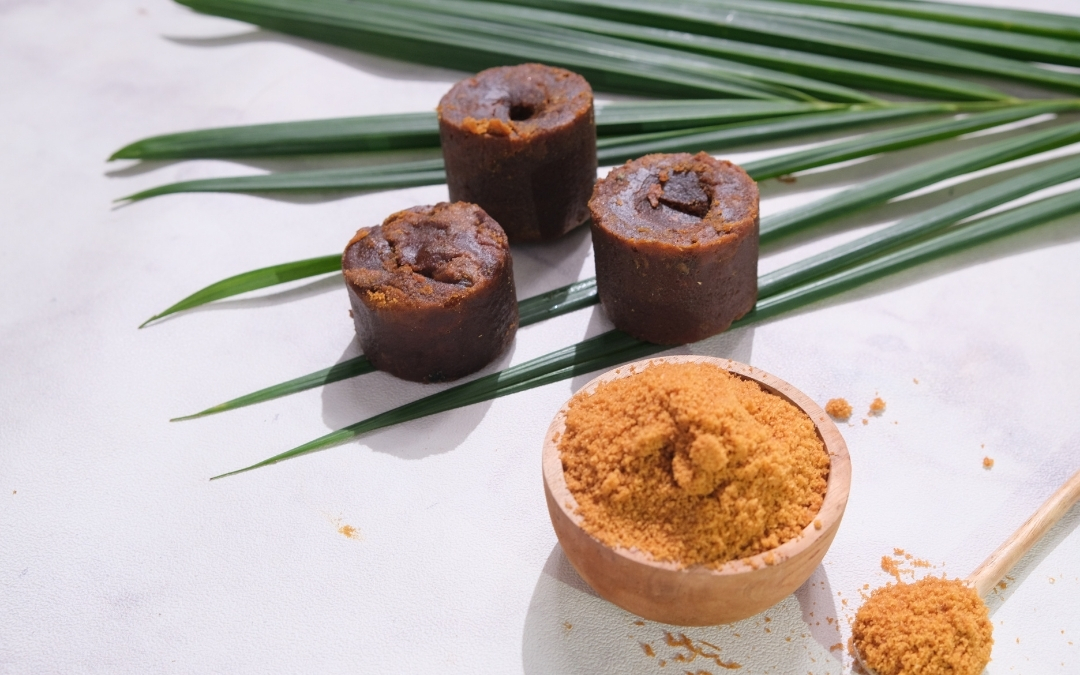
Gula Melaka is a traditional palm sugar known for its rich caramel-like flavour and light smoky aroma. It adds both sweetness and depth, especially in Southeast Asian-style baking.
Best for:
- Cakes and muffins
- Cookies and dessert bars
- Syrups, glazes, and traditional desserts
If you're just getting started, you have a few convenient options. You can use traditional block palm sugar, which you'll need to grate or melt, or you can opt for the BAKERS 365 Gula Melaka Emulco (25g) for easy and consistent measurement.
Whatever form you choose, Gula Melaka will elevate your desserts with its distinctive flavour.
How Different Sugars Affect Texture
Each sugar interacts differently with ingredients, which is why results can vary so much between recipes.
White and cane sugars tend to create lighter and more structured baked goods. Brown sugar produces softer and more moist textures. Caramel sugar adds richness and a slightly denser finish, while Gula Melaka increases moisture and depth, often resulting in a heavier but more flavourful crumb.
Can You Substitute One Sugar for Another?
Yes, but adjustments may be needed.
- Use a 1:1 ratio as a starting point
- Reduce liquids slightly when using brown sugar or Gula Melaka
- Expect changes in colour, flavour, and texture
- Monitor baking time, as darker sugars caramelise faster
Substitutions work best when the flavour complements the recipe.
Choosing the Right Sugar for Your Recipe
The best sugar depends on the result you want.
White or cane sugar works best for light, airy cakes. Brown sugar is ideal for soft and chewy textures. Caramel sugar suits richer desserts with deeper flavour. Gula Melaka is perfect when you want a bold, aromatic profile.
Many bakers also combine sugars to improve balance. For example, mixing white and brown sugar gives both structure and moisture, while a small amount of Gula Melaka can enhance flavour complexity.
How to Balance Sugar in Baking Recipes
In baking, combining sugars often yields better results than using just one. Each type plays a specific role:
- White sugar provides structure and keeps bakes light.
- Brown sugar adds moisture for a softer texture.
- Gula Melaka introduces a deep, caramel-like flavour without adding too much weight.
- Caramel sugar enhances colour and richness.
By blending sugars, you can achieve a better balance.
For example, combining white and brown sugar in cookies and cakes gives you both structure and softness. Similarly, adding a small amount of Gula Melaka or caramel sugar to a recipe using white sugar can create a more complex flavour profile.
The goal is to adjust gradually, as even small changes in sugar combinations can significantly improve the final texture and taste of your bakes.
Final Thoughts
There is no single best sugar for baking. Each type of sugar plays a different role, whether it is structure, moisture, or flavour depth.
By understanding how white sugar, brown sugar, cane sugar, caramel sugar, and Gula Melaka work, you can make better baking decisions and consistently achieve improved texture and taste.
Explore More Sugar Options for Baking at Bake With Yen
Using quality ingredients is key to consistent baking results. Exploring different types of sugar allows you to experiment with flavour, texture, and moisture, helping refine your baking over time.
At Bake With Yen, you can explore a wide range of baking sugars, including white sugar, brown sugar, cane sugar, caramel sugar, and other baking specialty options suited for different recipes and baking needs.