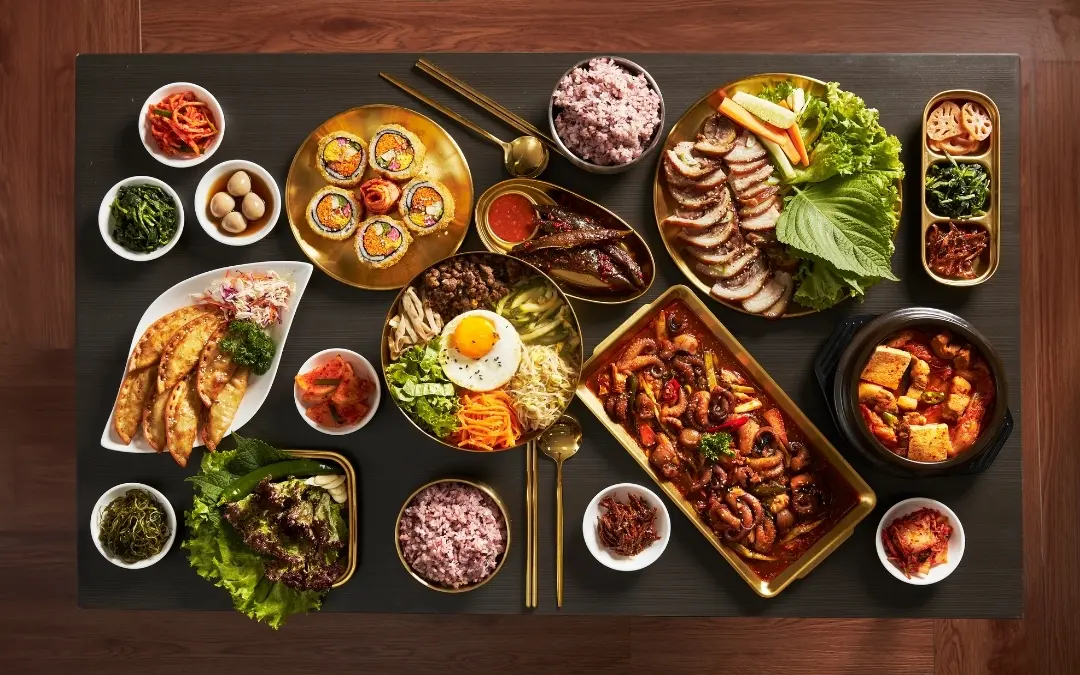
Short answer: You can make a surprising range of Korean dishes at home with a handful of pantry staples. Start with gochujang, gochugaru, Korean soy sauce, sesame oil, sesame seeds, rice, noodles, garlic, spring onions, and kimchi, then build your pantry as you try more recipes.
Korean food is everywhere in Singapore now — from barbecue and fried chicken to stews, rice bowls and noodles. But you don't need to head to a Korean restaurant every time you're craving those familiar flavours.
With a few Korean pantry staples, you can recreate many of these dishes at home. Once you understand what each ingredient does, it's also much easier to adapt recipes to suit your own taste.
Here's a practical guide to the ingredients worth keeping in your kitchen, plus some easy Korean foods to try once you're ready to start cooking.
What We Will Cover:
- What Makes Korean Food So Flavourful?
- The 8 Essential Ingredients for Korean Cooking at Home
- What Are Easy Korean Dishes to Start With?
- Consider Ready-To-Eat Korean Dish
What Makes Korean Food So Flavourful?
Korean cooking is all about building layers of flavour. Spicy, salty, savoury, sweet, nutty and tangy notes often come together in the same dish.
- Spicy: Gochujang, gochugaru
- Salty & savoury (umami): Soy sauce, fermented pastes, stock, kimchi
- Sweet: Gochujang, marinades
- Nutty: Sesame oil, toasted sesame seeds
- Tangy: Kimchi and other fermented ingredients
Fermented ingredients do much of the heavy lifting. They add the deep, savoury flavours that make Korean food so distinctive, while simple aromatics such as garlic and spring onions help round everything out.
If you're starting from scratch, don't feel like you need to buy everything on your first trip to the supermarket. Start with ingredients that have multiple uses:
If you cook Korean food regularly, you can then add ingredients such as Korean stock, seaweed, and ready-to-eat dishes to make everyday meals even easier.
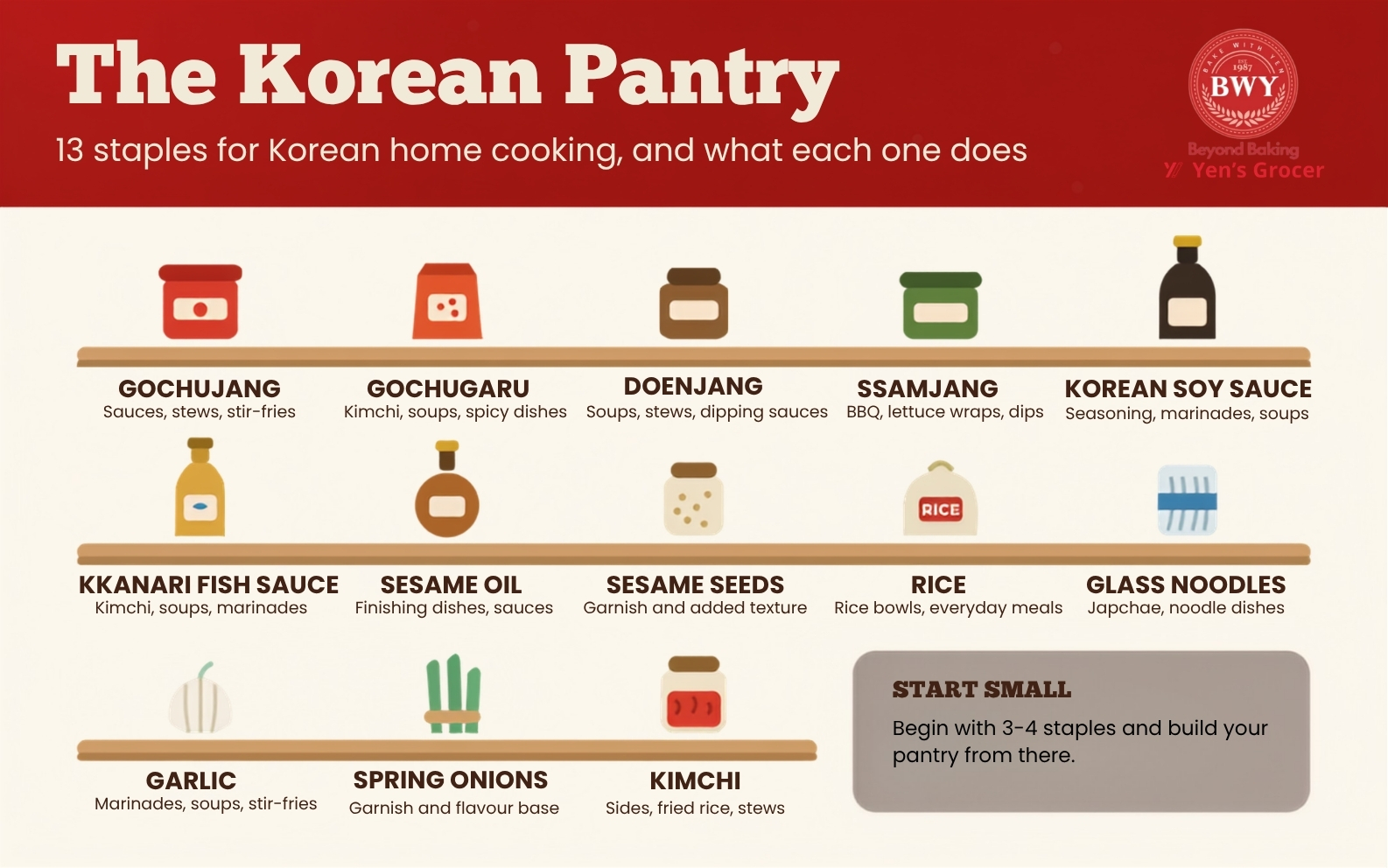
The Essential Ingredients for Korean Cooking at Home
You don't need to buy everything at once. Start with a few versatile ingredients that can be used across multiple dishes, then add to your pantry as you become more comfortable with Korean cooking.
1. Gochujang (Fermented Chilli Paste)
Gochujang is one of the most versatile ingredients in a Korean kitchen. This fermented red chilli paste combines spicy, savoury, salty and slightly sweet flavours in one ingredient.
Use it in tteokbokki, bibimbap, fried chicken sauces, marinades, stews and stir-fries. Because the flavour is concentrated, a small amount can make a big difference.
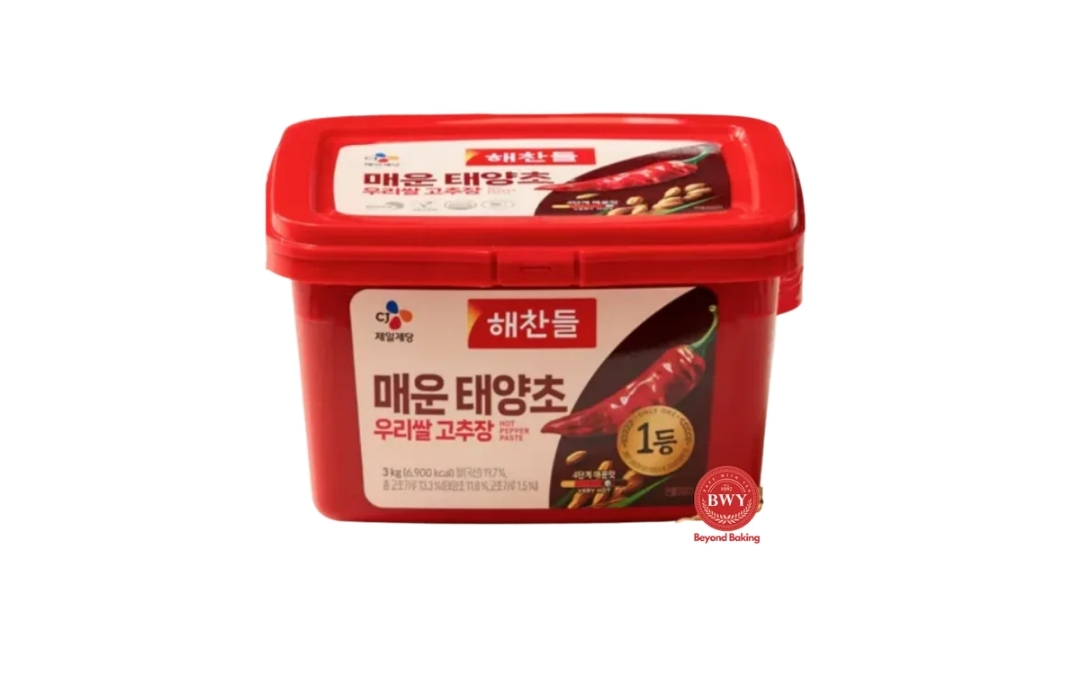
A good option for regular Korean cooking is Haechandle Red Pepper Paste (Gochujang) 3kg. The larger pack makes sense if Korean dishes are already part of your regular cooking rotation.
If you're making a smaller batch or experimenting with Korean recipes for the first time, you can always start with a smaller quantity before committing to a larger pantry supply.
2. Gochugaru (Korean Chilli Flakes)
Korean chilli in flake or powder form, with a fruity, slightly smoky flavour and mild-to-medium heat. It's a key ingredient in kimchi, but it's also useful in soups, stews, sauces, marinades and stir-fries.
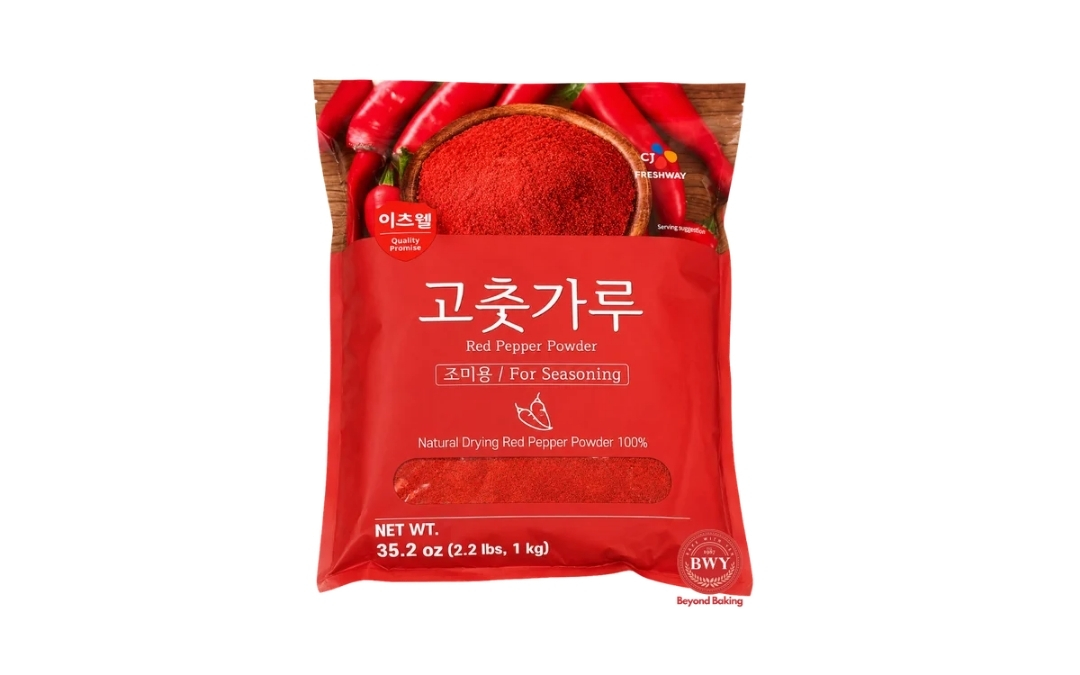
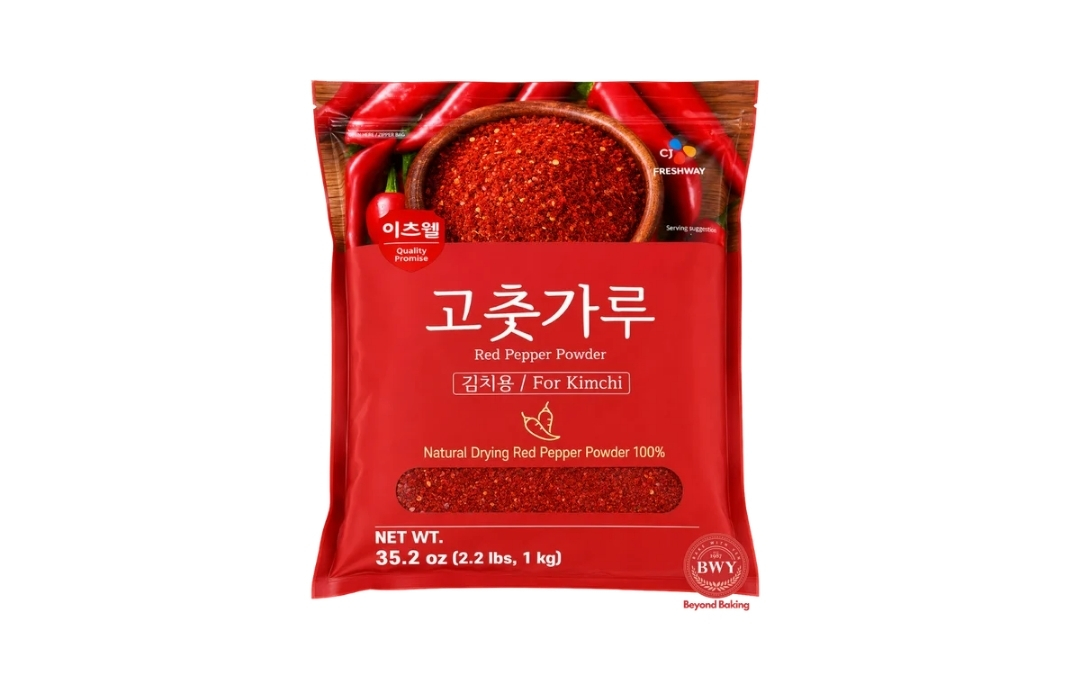
If you're looking for an everyday Korean chilli powder to keep in the pantry, Itswell Red Pepper Powder for Seasoning 1kg is a versatile option. Its fine texture makes it easy to mix evenly into sauces, marinades and seasoning blends, while adding colour, aroma and chilli flavour to Korean dishes.
3. Doenjang (Fermented Soybean Paste)
Doenjang is a fermented Korean soybean paste with a deep, savoury and slightly earthy flavour. It's an important ingredient in Korean soups and stews, particularly doenjang jjigae, and can also be used in marinades, dipping sauces and vegetable dishes.
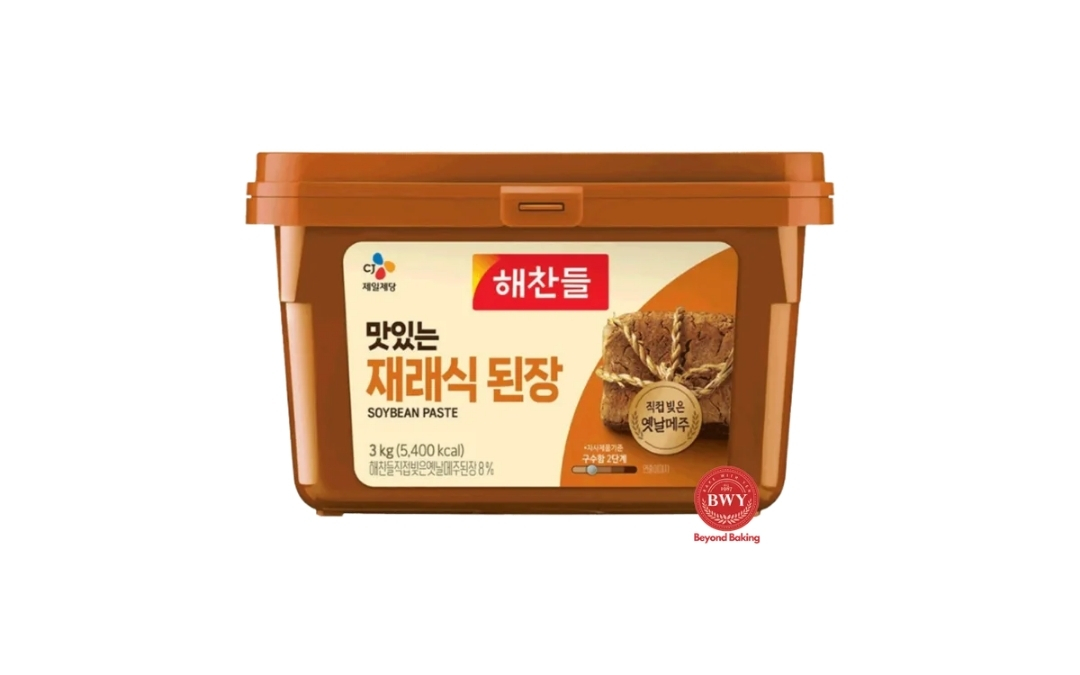
For larger-scale cooking, Haechandle Soybean Paste Jaeraesic (Doenjang) 3kg is a practical option to keep in the pantry. Because doenjang has such a concentrated flavour, you only need a small amount to add depth to soups, stews and sauces.
4. Ssamjang (Seasoned Soybean Paste)
Ssamjang is a seasoned Korean dipping paste made primarily from fermented soybean paste, with ingredients such as red pepper seasoning, garlic and sesame. It's commonly served with Korean BBQ, particularly alongside grilled meat and lettuce wraps, but it can also be used in sauces, rice dishes and vegetable dishes.
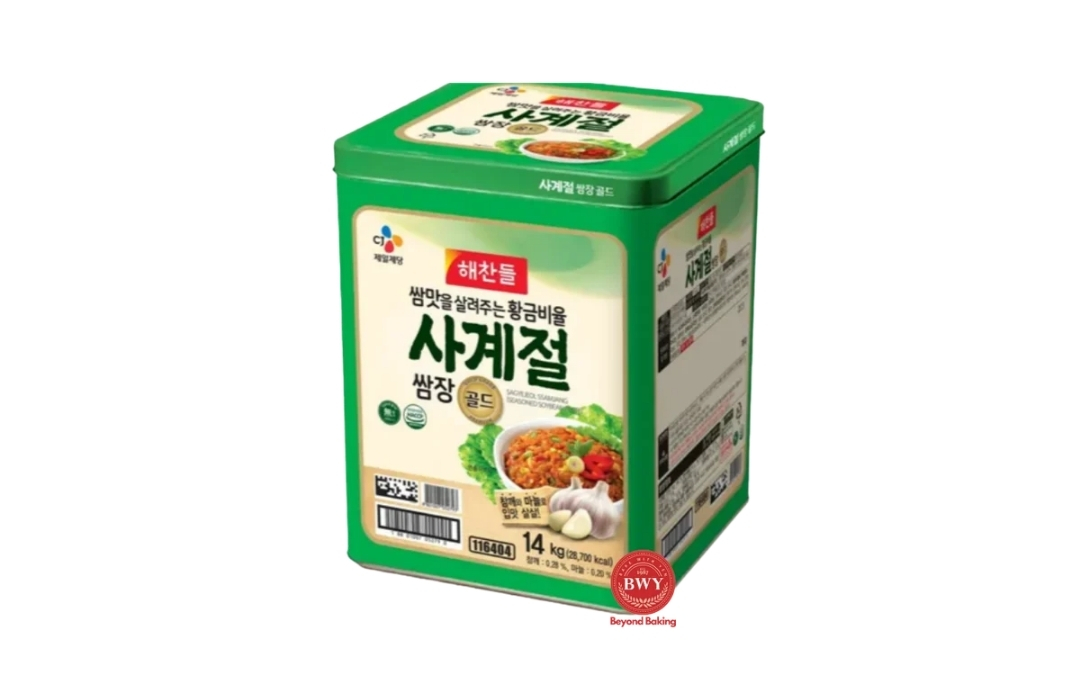
For Korean BBQ at home, Haechandle Soybean Paste Seasoned (Ssamjang) 14kg is a food-service-sized option. If you're cooking Korean BBQ regularly or preparing food for a larger group, having ssamjang ready to serve makes the meal much easier to put together.
5. Korean Soy Sauce
Korean soy sauce adds saltiness and umami to marinades, stir-fries, soups, dipping sauces and rice dishes.
It's one of the most practical ingredients to buy when you're starting a Korean pantry because you don't have to limit it to Korean recipes. It can also be used in many other Asian-style dishes.
If you're already familiar with using soy sauce in everyday cooking, adding Korean soy sauce to your pantry is an easy way to start experimenting with different flavour profiles.
6. Kkanari Fish Sauce
Kkanari fish sauce is a Korean fermented fish sauce made from sand lance. It has a concentrated savoury and umami flavour and is commonly used in kimchi, soups, stews, marinades, dipping sauces and vegetable dishes.
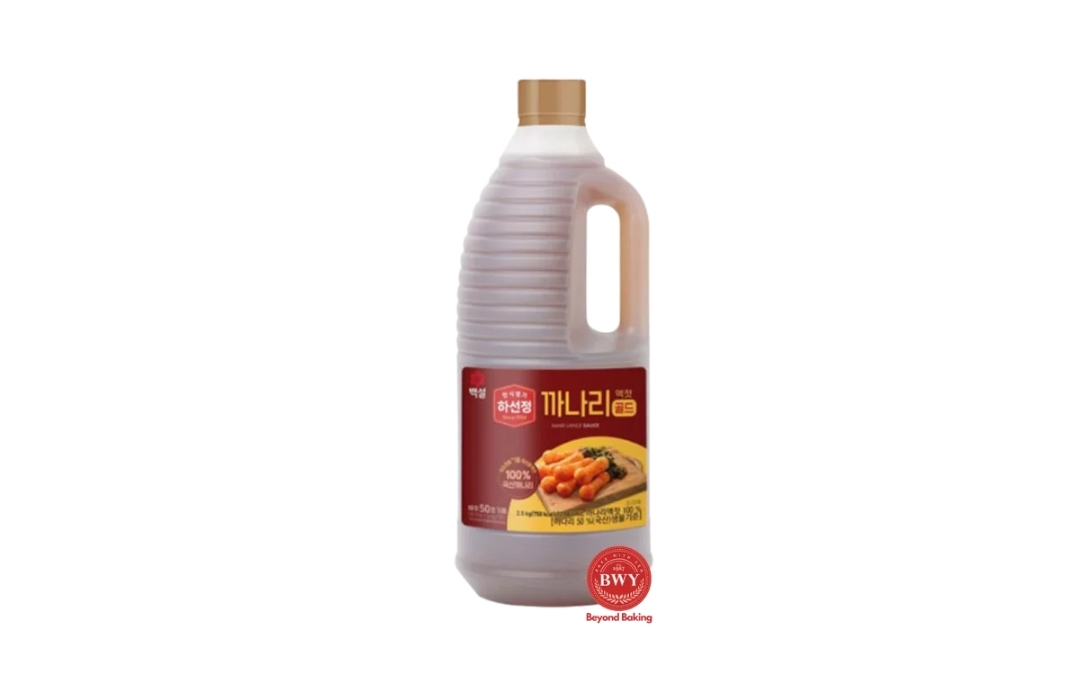
Hasunjung Fish Sauce (Kkanari) 2.5kg is a useful ingredient if you're interested in making Korean food from scratch, particularly kimchi. A little goes a long way, so use it gradually and adjust according to the recipe.
7. Sesame Oil
Sesame oil is best thought of as a finishing ingredient, rather than your main cooking oil.
A small drizzle over bibimbap, noodles, vegetables or a marinade adds an unmistakable roasted, nutty aroma. Because the flavour is quite strong, you generally don't need much.
Try adding it towards the end of cooking, rather than using a large amount at the beginning. This helps preserve its aroma and prevents it from overpowering the other ingredients.
8. Sesame Seeds
Sesame seeds are one of the easiest ways to finish a Korean dish.
Sprinkle them over rice, noodles, vegetables, meat or soups for extra texture and a mild nutty flavour. Toasting them briefly before using them brings out an even stronger aroma.
For a versatile pantry staple, White Sesame Seeds India 1kg can be used as a garnish or seasoning for Korean dishes, as well as many other Asian and everyday recipes.
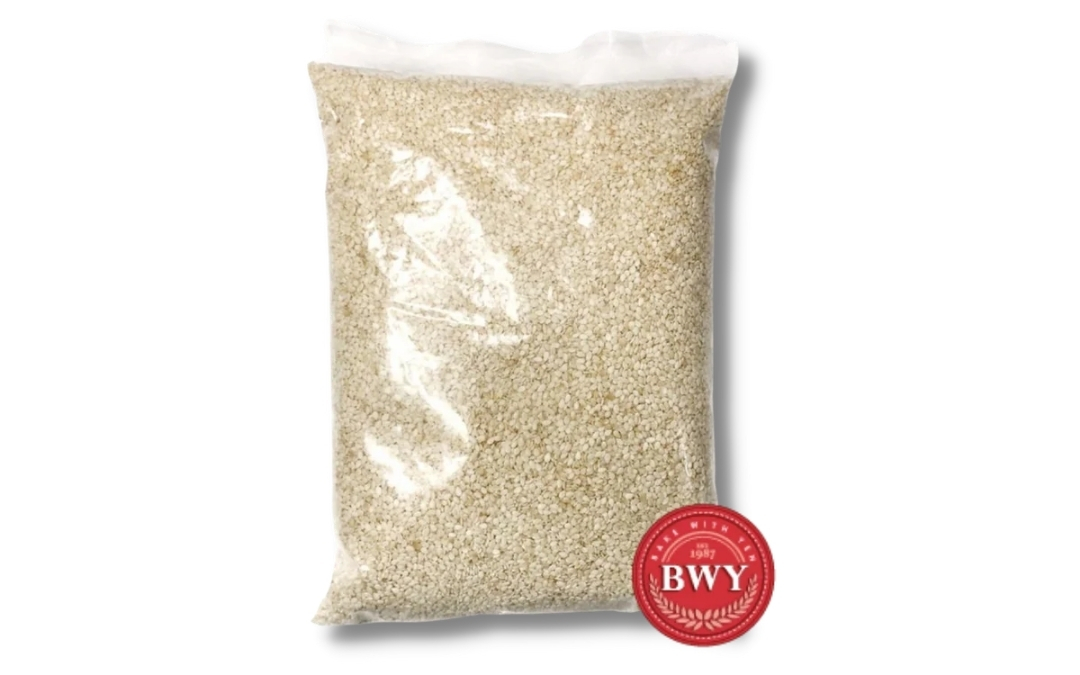
Keep a container in your pantry, and you'll find plenty of opportunities to use them beyond Korean cooking too.
9. Korean Rice and Noodles
Rice is the foundation of many Korean meals, from simple rice bowls to bibimbap.
For noodles, sweet potato starch glass noodles are essential for japchae, while wheat-based noodles are used in many other Korean dishes. Having rice and one or two types of noodles at home gives you plenty of options without needing an overly large pantry.
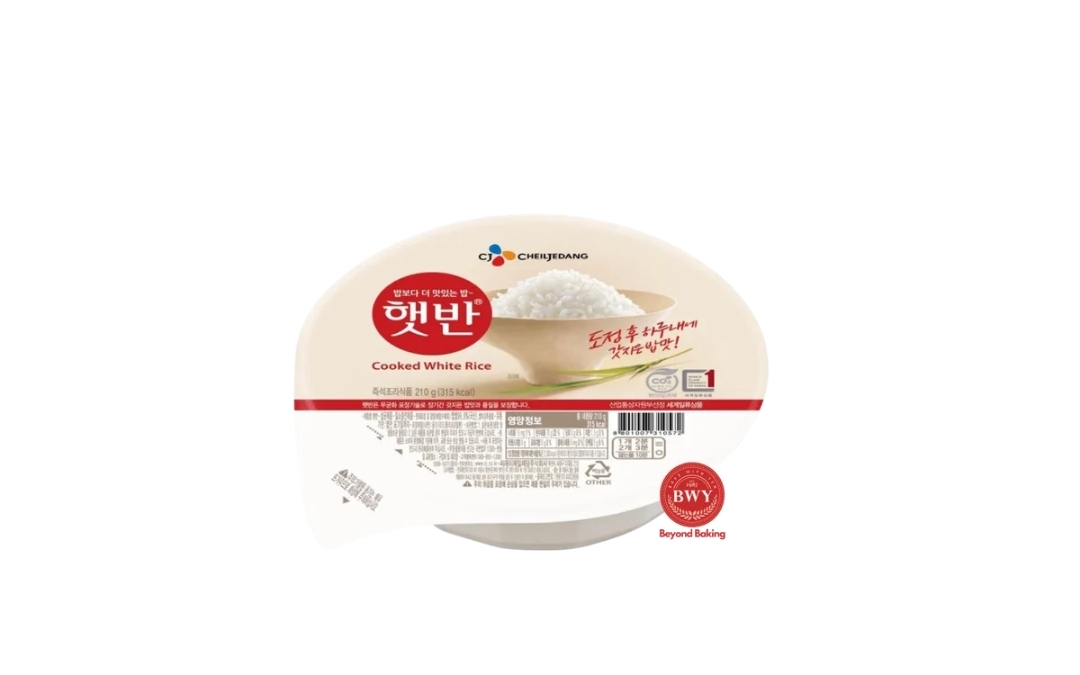
If you're short on time, Hetbahn Cooked White Rice 210g is a convenient option for a quick Korean-inspired rice bowl. It's ready to eat, so you can focus on preparing the toppings and sauce.
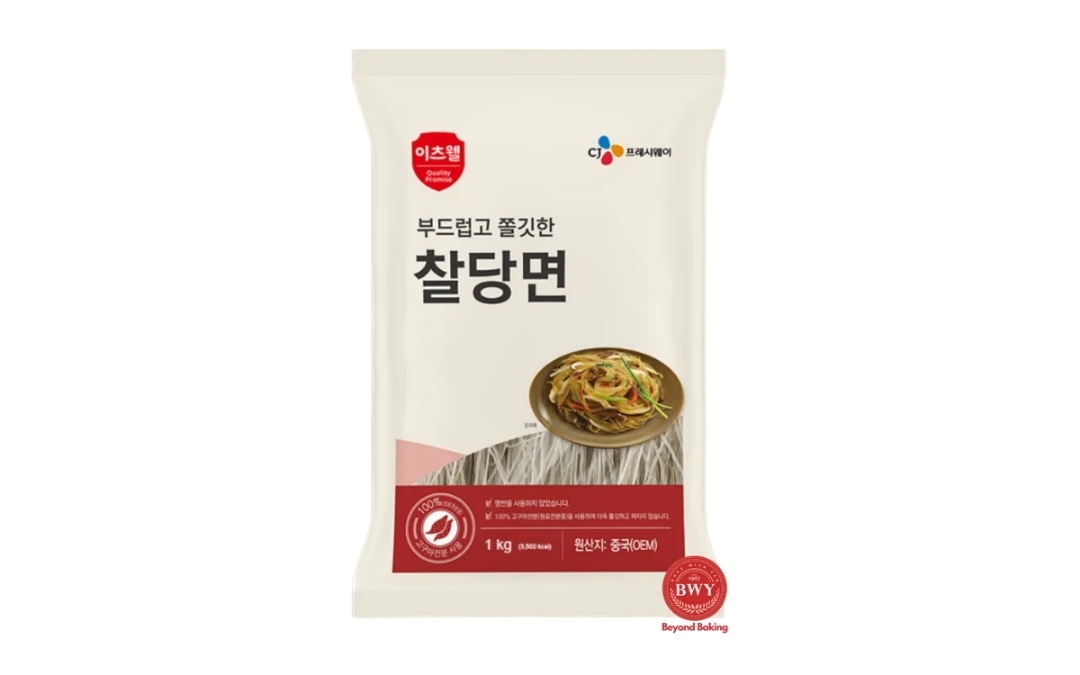
For japchae and other noodle dishes, Beksul Glass Noodle 1kg is a useful pantry staple. The noodles cook up smooth and springy and can be paired with vegetables, meat and a savoury sauce.
10. Garlic and Spring Onions
These are ingredients you probably already have in your kitchen, but they're particularly important in Korean cooking.
Garlic provides the aromatic base for marinades, soups, stews, stir-fries and sauces, while spring onions add freshness and a mild onion flavour.
The specialised Korean ingredients might provide the signature flavours, but garlic and spring onions are often what make the finished dish taste fuller and more rounded.
11. Kimchi
Kimchi is one of Korea's most recognisable foods, but it's much more versatile than a simple side dish.
Serve it alongside rice and grilled meats, or use it as an ingredient in fried rice, noodles, pancakes, stews and stir-fries. Older, more fermented kimchi can be particularly useful for cooking because its stronger tanginess adds plenty of flavour to a dish.
For an easy meal, you can also pair kimchi with ready-to-eat rice and Bibigo Seasoned Seaweed Original 40g x 8s. The seaweed adds a savoury, slightly salty element to a simple rice bowl without requiring any extra preparation.
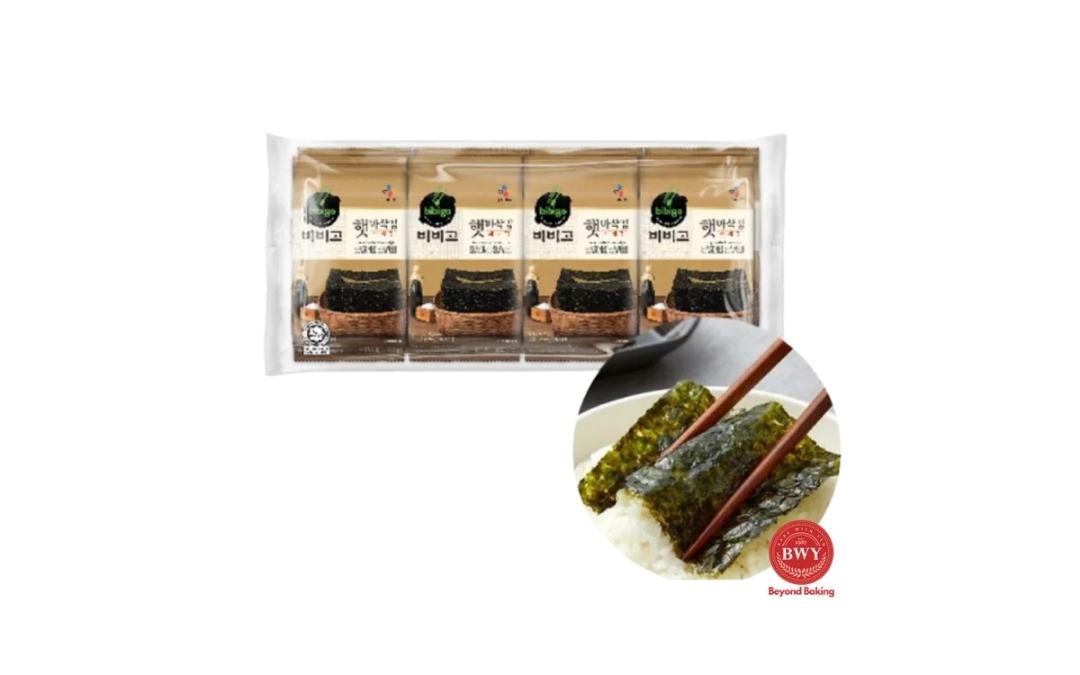
If you're buying kimchi for the first time, check the label if you have specific dietary requirements, as formulations can vary between brands. And if you're planning to make kimchi at home, Itswell Red Pepper Powder for Kimchi 1kg is a great place to start.
What Are Easy Korean Dishes to Start With?
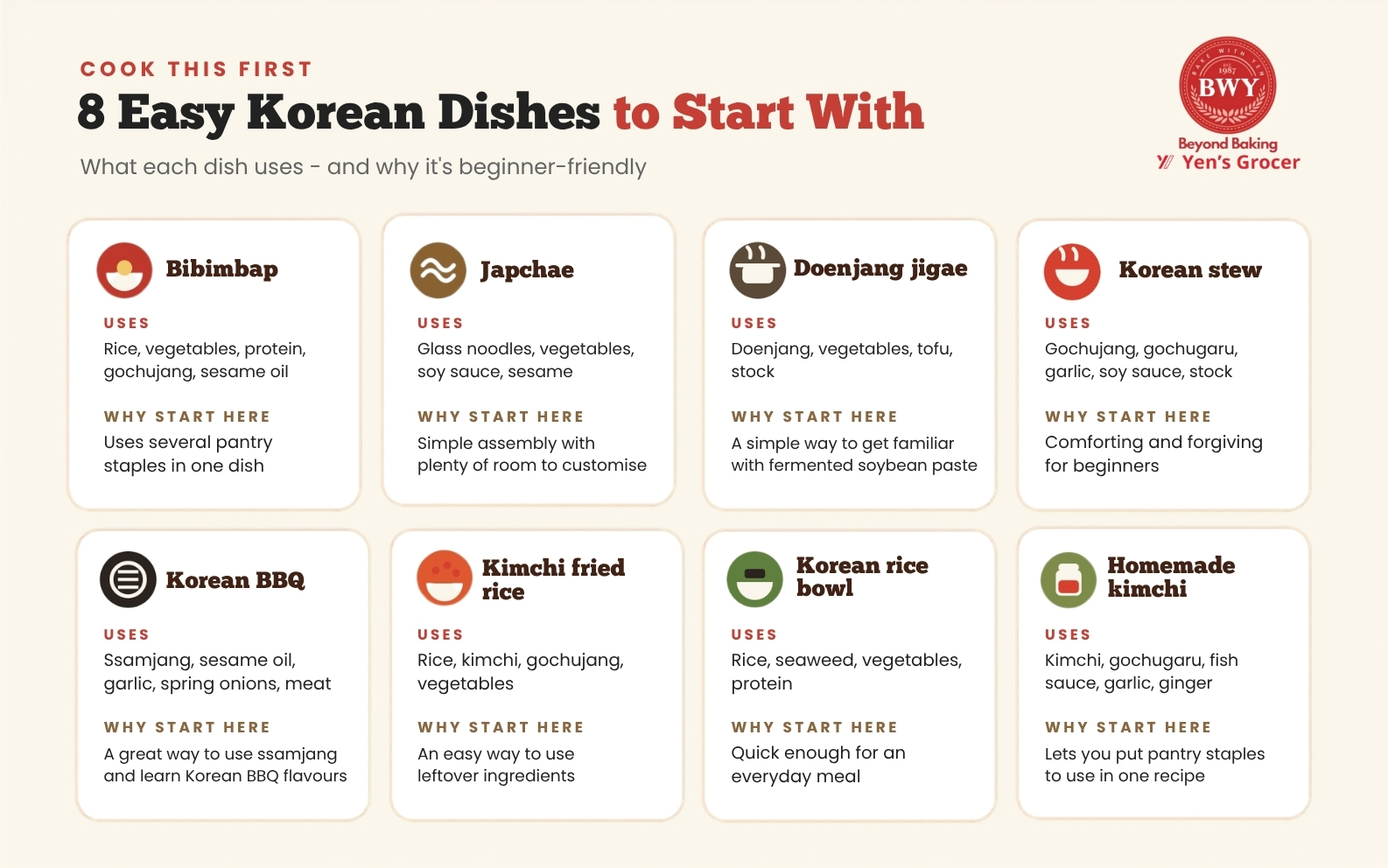
Bibimbap is a good place to start because one bowl brings several Korean pantry staples together — rice, vegetables, protein, sesame oil and gochujang.
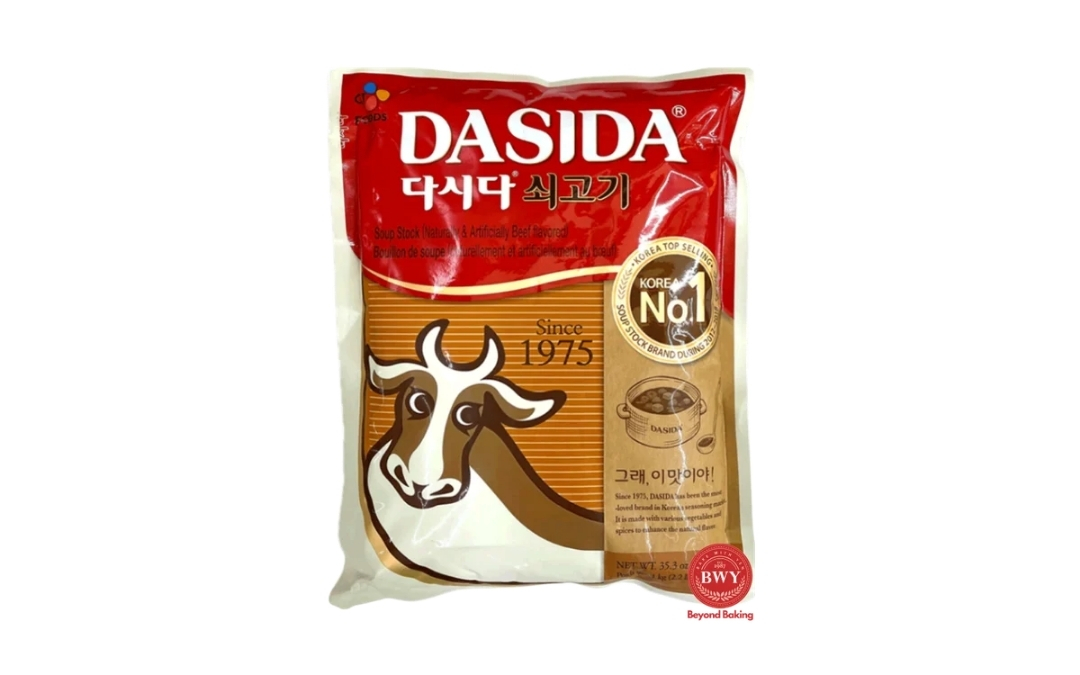
For soups and stews, a ready-made stock can also save time. Dasida Beef Soup Stock 1kg is useful for adding a deeper savoury flavour to Korean-style soups without having to prepare stock from scratch.
You can also take familiar dishes you already cook and give them a Korean twist. Add gochujang to a stir-fry sauce, finish vegetables with sesame oil, or serve rice with kimchi and seasoned seaweed.
Once the flavours become familiar, adjust the chilli, saltiness, sweetness or sesame according to your preference. Korean home cooking doesn't have to follow a rigid formula.
Consider Ready-To-Eat Korean Dish
Not every Korean meal has to start from scratch. If you're short on time, ready-to-eat Korean dishes can make it much easier to put together a satisfying meal at home without stocking up on lots of extra ingredients.
For something warm and comforting, Bibigo Chicken Soup with Ginseng (Samgyetang) 800g is a convenient option. Samgyetang is a traditional Korean chicken soup made with ingredients such as ginseng, glutinous rice and garlic. Simply heat it up and serve.
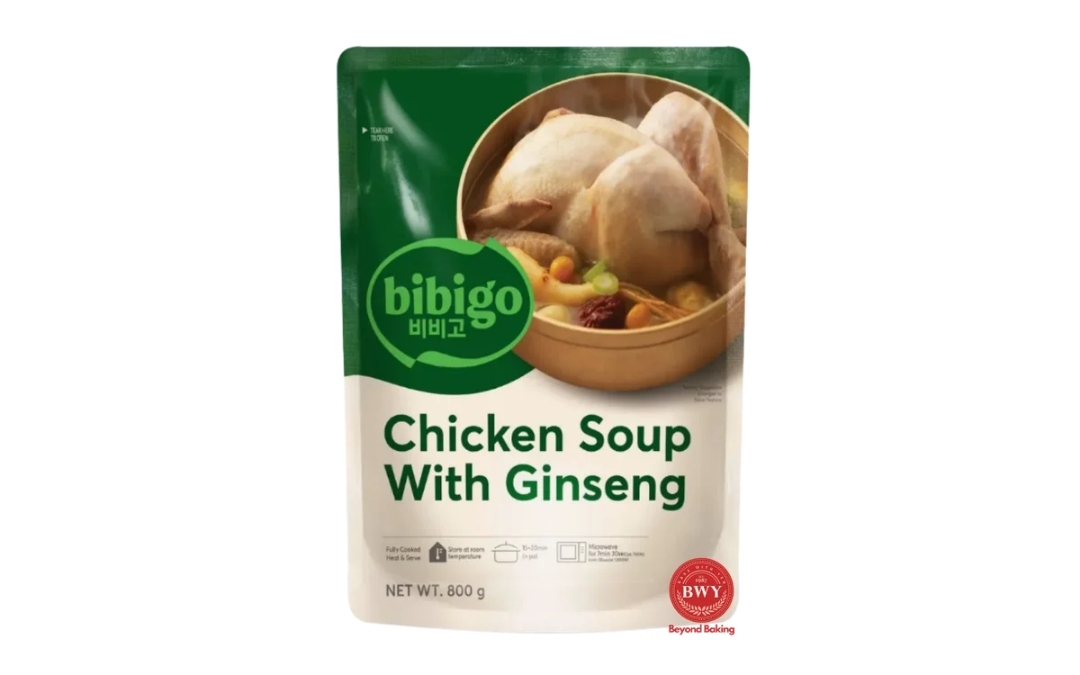
To turn it into a complete meal, pair the soup with a bowl of steamed rice and a few simple side dishes. Kimchi, seasoned vegetables or other banchan work well alongside it and add more variety to the table.
It's also useful to keep a ready-to-eat dish like this on hand for busy days when you want a proper Korean-style meal without spending too much time cooking.
Make Korean Cooking Work for Your Everyday Meals
The easiest way to get comfortable with Korean cooking is to look at these ingredients as building blocks, rather than ingredients that only belong in specific recipes.
Gochujang can become a quick stir-fry sauce. Kimchi can turn leftover rice into fried rice. Seasoned seaweed can make a simple bowl of rice more interesting, while soup stock can give a basic stew more depth.
This also means you don't need to plan an entirely Korean menu every time you cook. A few Korean staples can easily fit into the meals you're already making.
Final Thoughts
Korean cooking at home gets much easier once you understand the ingredients behind the flavours. Start with a few versatile staples, such as gochujang, gochugaru, soy sauce, sesame oil, rice and noodles, then gradually build your pantry as you try more dishes.
Convenient products such as ready-to-eat rice, seasoned seaweed, soup stock and Korean-style prepared foods can also make it easier to bring these flavours into everyday meals, especially when you're short on time.
At Bake With Yen, you can find a wide range of cooking ingredients, pantry staples, sauces, grains, noodles and Korean products to help you explore different cuisines from your own kitchen.