Many baking recipes call for ingredients such as butter, eggs, and milk to be at room temperature. While it may seem like a minor detail, this step can have a significant impact on the texture, structure, and consistency of your baked goods.
If you've ever wondered why professional bakers emphasise room temperature ingredients, the answer lies in how ingredients interact during mixing and baking.
This guide explains why room temperature ingredients matter and how they can help you achieve better baking results.
Do Ingredients Really Need to Be at Room Temperature?
In many recipes, yes.
Room temperature ingredients such as butter, eggs, and milk combine more easily and create smoother batters. This helps improve texture, structure, and consistency in cakes, cookies, and other baked goods.
Using cold ingredients can cause mixtures to separate or mix unevenly, which may affect the final baking result.
What Does "Room Temperature" Mean?
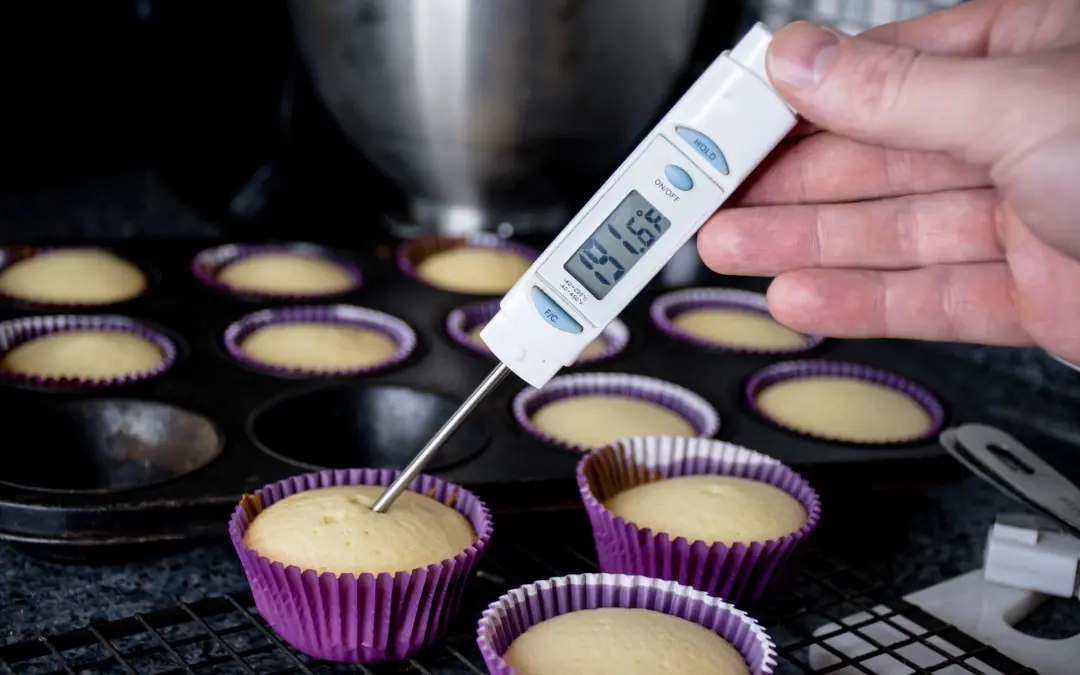
In baking, room temperature generally refers to ingredients that have been allowed to sit at around 20°C to 22°C before use.
For common baking ingredients:
- Butter should feel soft but still hold its shape
- Eggs should no longer feel cold when touched
- Milk should not be chilled straight from the refrigerator
- Cream cheese should be soft and spreadable
The goal is to allow ingredients to mix together more evenly.
Why Room Temperature Ingredients Mix Better
When ingredients are at similar temperatures, they combine more easily and create a smoother batter or dough.
Cold ingredients can cause mixtures to:
- Become lumpy
- Separate during mixing
- Trap less air
- Produce uneven textures
Using room temperature ingredients helps create a more uniform mixture, which contributes to more consistent baking results.
The Importance of Room Temperature Butter
Butter is one of the most important ingredients affected by temperature.
When properly softened, butter can trap air during the creaming process. These tiny air pockets help create lighter cakes and softer baked goods.
If butter is too cold:
- It does not cream properly
- Ingredients may not combine evenly
- Batter can become dense
If butter is too warm:
- It cannot hold air effectively
- Cakes may lose volume
- Cookies may spread excessively
The ideal butter should be soft enough to press gently with your finger while still maintaining its shape.
For consistent results, we recommend using a high-quality unsalted butter like Anchor Unsalted Butter. Its reliable fat content and smooth texture make it a great choice for achieving perfectly creamed butter every time.

Why Room Temperature Eggs Matter
Eggs play several important roles in baking, including providing structure, moisture, and stability.
Cold eggs can cause problems when added to softened butter because they may cause the mixture to curdle or separate.
Room temperature eggs:
- Blend more easily into batters
- Help maintain smooth emulsions
- Promote more even baking
A smoother batter generally leads to a finer and more consistent crumb.
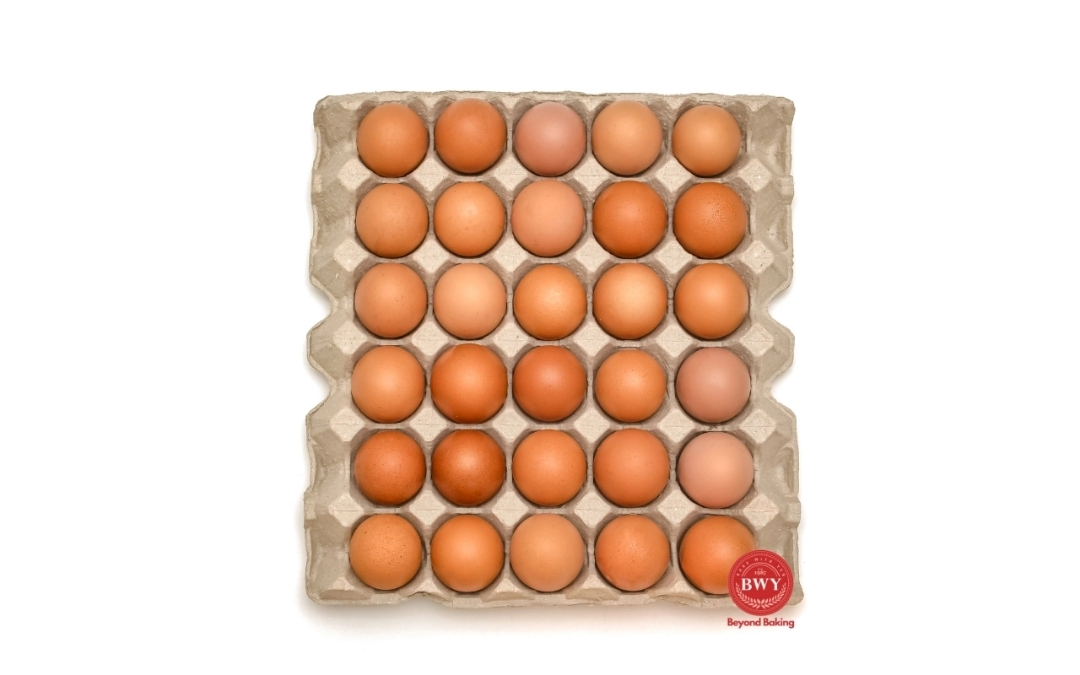
For consistent results, we recommend using fresh eggs for your baking. Their quality and freshness make them a reliable choice for achieving a smooth, well-emulsified batter every time.
Room Temperature Milk and Dairy Products
Milk, cream, yoghurt, and other dairy products also perform better when they are not excessively cold.
Adding cold dairy ingredients to a batter can:
- Harden softened butter
- Create uneven textures
- Affect ingredient incorporation
Allowing dairy products to warm slightly before baking helps ingredients blend together more effectively.
For best results, we recommend using a high-quality dairy product like Meadow Fresh Low Fat UHT Pure Milk, specially formulated to deliver consistent results in all your baking endeavours.

What Happens If You Skip This Step?
Many recipes will still work if ingredients are used straight from the refrigerator, but the results may not be as consistent.
Potential issues include:
- Dense cakes
- Uneven textures
- Poor volume
- Lumpy batters
- Reduced aeration
While these problems may seem minor individually, they can collectively affect the final quality of your bake.
How to Quickly Bring Ingredients to Room Temperature
Forgot to prepare ahead of time? There are a few ways to speed up the process.
Butter
Cut butter into small cubes and leave it at room temperature for 15 to 30 minutes.
Eggs
Place eggs in a bowl of warm water for approximately 10 minutes.
Milk
Measure the required amount and allow it to sit briefly before use.
Avoid using excessive heat, as partially melting ingredients can create a different set of problems.
Common Baking Mistakes Related to Ingredient Temperature
Using Melted Butter Instead of Softened Butter
These are not interchangeable in most recipes.
Mixing Cold Ingredients into Softened Butter
This can cause curdling and uneven batter consistency.
Microwaving Ingredients Too Aggressively
Overheating can alter the structure of ingredients and affect baking performance.
Ignoring Recipe Instructions
If a recipe specifically calls for room temperature ingredients, it is usually because the method relies on proper emulsification or aeration.
Final Thoughts
Room temperature ingredients may seem like a small detail, but they play a major role in successful baking. By ensuring that butter, eggs, milk, and other ingredients are at similar temperatures before mixing, you can achieve smoother batters, better texture, and more consistent results.
The next time a recipe asks for room temperature ingredients, resist the temptation to skip the step. A little preparation can make a noticeable difference in the quality of your cakes, cookies, muffins, and other baked treats.
For quality baking ingredients and pantry essentials, explore the wide range of products available at Bake With Yen and set yourself up for baking success.