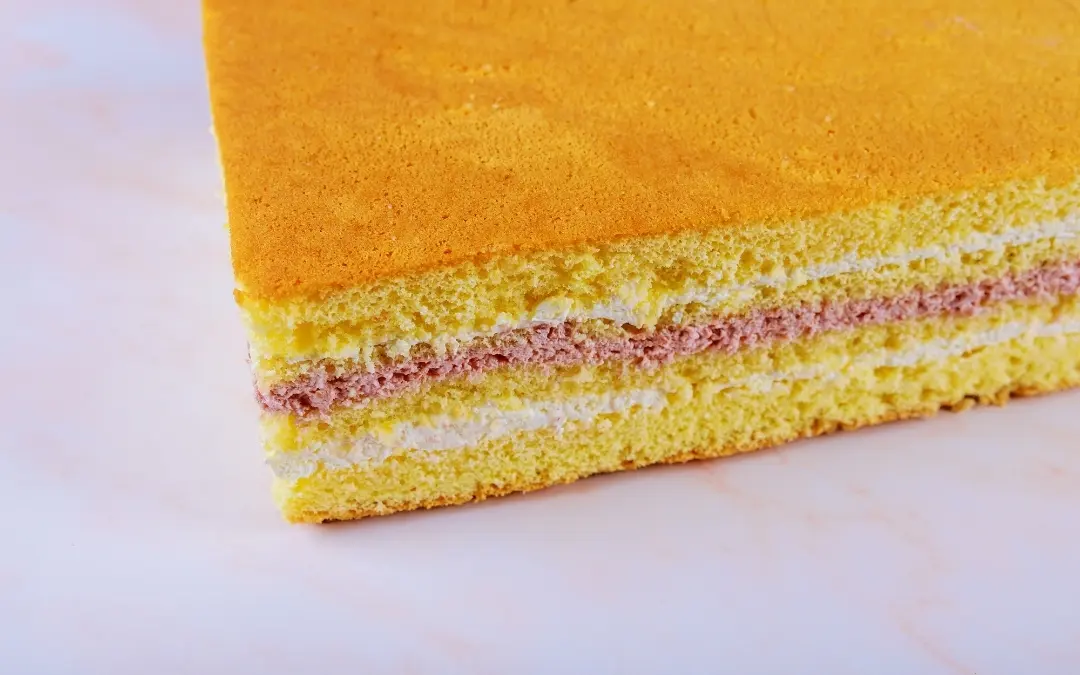
A sponge cake is loved for its light, airy texture and delicate flavour. When done well, it should be soft, springy, and pleasantly moist. However, many home bakers encounter the common problem of a dry sponge cake. Instead of a tender crumb, the cake may feel crumbly, stiff, or lacking in moisture.
The good news is that most dry sponge cakes are caused by a few common baking mistakes that can easily be corrected. By understanding what affects moisture in sponge cakes and making small adjustments to your baking process, you can achieve a softer and more enjoyable result.
Common Reasons Why Sponge Cakes Turn Out Dry
Several factors can contribute to a dry sponge cake. Identifying the cause can help you improve your results in future bakes.
Overbaking the Cake
One of the most common causes of dryness is baking the cake for too long. When a sponge cake remains in the oven beyond the recommended time, moisture continues to evaporate from the batter.
Signs of an overbaked cake may include:
- A firm or hard outer crust
- A crumb that feels dry when cut
- Edges pulling too far away from the cake pan
Even a few extra minutes in the oven can make a noticeable difference.
Using Too Much Flour
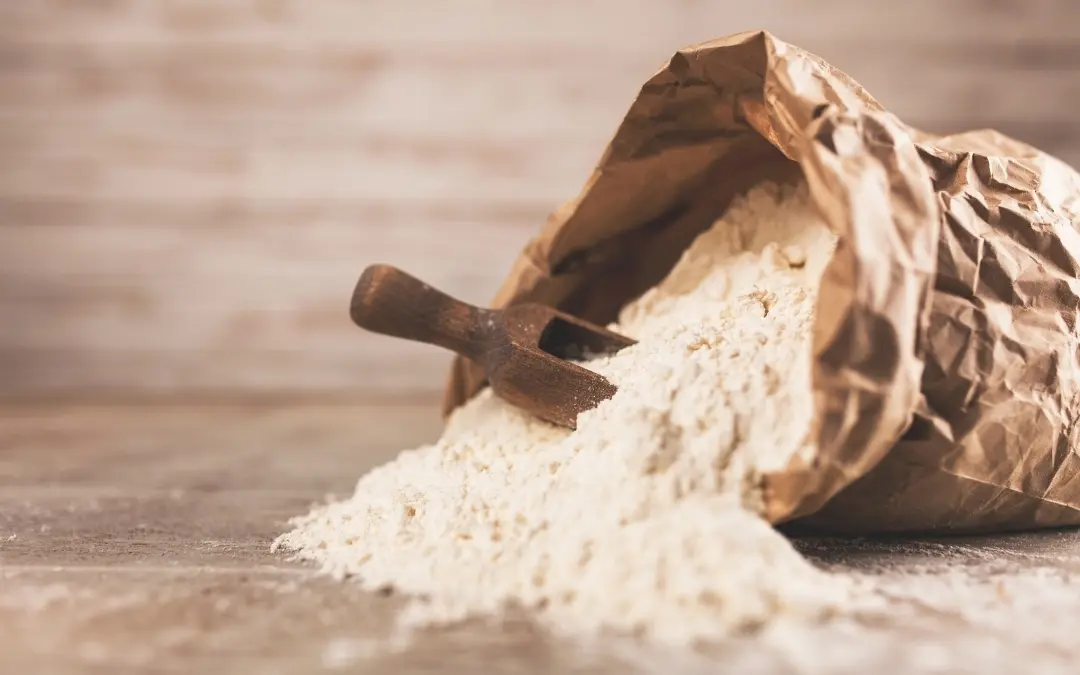
Adding too much flour changes the structure of the batter and absorbs more moisture than necessary. This often results in a dense and dry cake texture.
Measuring flour accurately is important when baking sponge cakes. Scooping flour directly with a measuring cup can sometimes pack in more flour than intended.
Insufficient Fat or Liquid
Sponge cakes rely on a careful balance of ingredients. If the recipe contains too little fat or liquid, the cake may lack the moisture needed for a soft crumb.
Ingredients such as butter, oil, milk, or eggs help contribute to the overall moisture and richness of the cake.
Overmixing the Batter
Mixing the batter too much can develop excess gluten in the flour. This can lead to a tighter structure and a less tender cake.
Sponge cakes should usually be mixed gently once the flour is added, just enough to combine the ingredients.
Simple Fixes to Prevent Dry Sponge Cakes
If your sponge cakes tend to come out dry, a few adjustments in your baking method can help improve the texture.
Measure Ingredients Carefully
Accurate measurements are essential in baking.
To reduce the risk of adding too much flour:
- Use a kitchen scale when possible
- Spoon flour into the measuring cup instead of scooping directly
- Level the cup with a straight edge
Precise measurements help maintain the proper balance of ingredients.
Monitor Baking Time Closely
Every oven heats slightly differently, so baking times may vary.
You can check if a sponge cake is done by:
- Inserting a skewer or toothpick into the centre
- Looking for a clean or slightly moist crumb on the skewer
- Gently pressing the cake surface to see if it springs back
Removing the cake as soon as it is fully baked helps preserve moisture.
Use Room Temperature Ingredients
Ingredients such as eggs, butter, and milk blend more evenly when they are at room temperature. This allows the batter to trap air more effectively, resulting in a lighter and softer cake texture.
Cold ingredients can sometimes lead to uneven mixing and a denser crumb.
Moisture-Boosting Tips for Better Sponge Cakes
In addition to correcting common mistakes, there are also several ways to enhance the moisture of your sponge cake.
Add a Simple Syrup
Brushing a light sugar syrup onto the cake layers is a popular method used by bakers to keep cakes moist.
A basic syrup can be made by heating equal parts sugar and water until dissolved. Once cooled, it can be brushed gently over the cake before adding fillings or frosting.
Incorporate Ingredients That Retain Moisture
Certain ingredients naturally help cakes stay moist.
Examples include:
- Yogurt or sour cream
- Buttermilk
- Vegetable oil instead of butter
These ingredients add richness while helping the cake retain moisture after baking.
Avoid Overcooling in the Pan
Leaving a sponge cake in the pan for too long can cause trapped steam to dry the cake edges. Once the cake is baked, allow it to cool for a short period before transferring it to a wire rack.
Cooling on a rack allows air to circulate around the cake and helps maintain its texture.
Proper Storage Helps Maintain Moisture
Even a perfectly baked sponge cake can dry out if it is not stored properly.
To keep cakes moist:
- Wrap the cake in plastic wrap once it has cooled
- Store it in an airtight container
- Keep it at room temperature if it will be consumed within a day or two
If refrigerating the cake, make sure it is sealed well to prevent it from absorbing moisture from the fridge environment.
Takeaway
Dry sponge cakes are usually the result of small issues such as overbaking, incorrect ingredient measurements, or overmixing the batter. By paying attention to these details and using techniques that help retain moisture, home bakers can achieve softer and more enjoyable sponge cakes.
With practice and a few simple adjustments, baking a light and moist sponge cake becomes much more achievable.
Find Your Baking Essentials at Bake With Yen
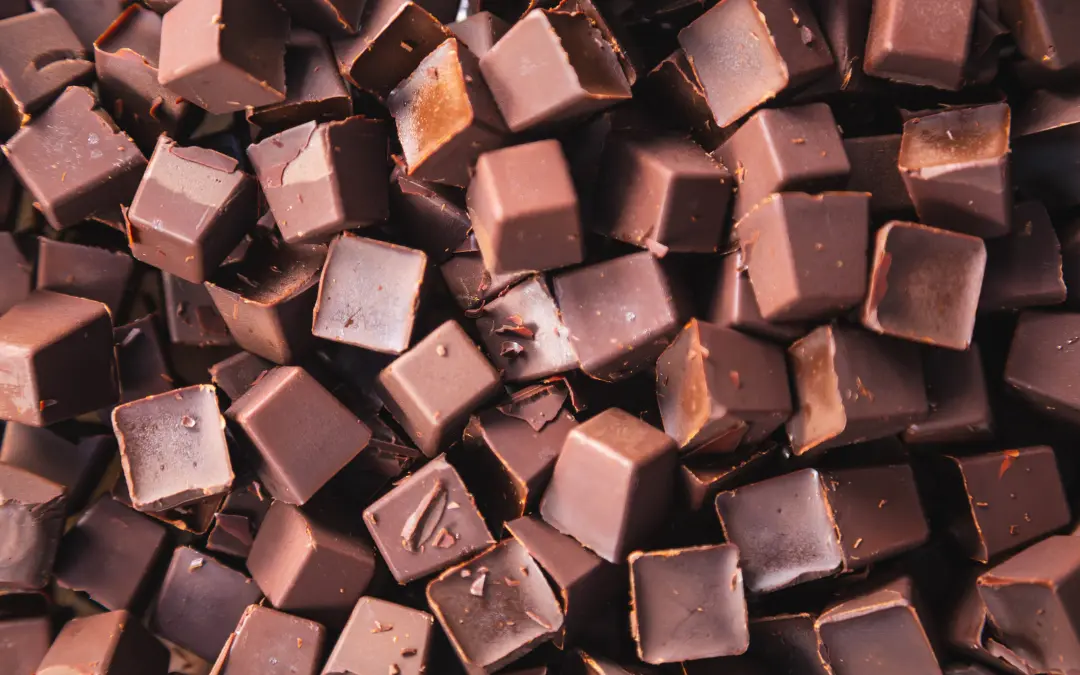
Great baking starts with quality ingredients and reliable baking supplies. At Bake With Yen, you can find a wide selection of baking essentials, including flour, dairy products, chocolate, and decorating ingredients to help you create delicious cakes and desserts.
Whether you are baking your first sponge cake or experimenting with new recipes, Bake With Yen provides the ingredients you need to bring your baking ideas to life. Visit Bake With Yen to explore a wide range of baking products for your next bake.